

If you’ve ever felt like you were “doing everything right”—hitting the gym, watching your calories, and drinking the green juice—but still felt a lingering sense of fatigue, brain fog, or stubborn weight that wouldn’t move, you’ve likely encountered a metabolic bottleneck. In my years as a lab technician, I have observed that metabolic health isn’t a destination; it is a delicate signaling environment.
In simple terms, metabolic health optimization means improving how your body produces and uses energy throughout the day so you feel more stable, energetic, and consistent.
Instead of thinking of it as a complex system, it is really about how well your daily habits support energy balance inside your body.
Most people don’t realize:
- energy stability is the real marker of metabolic health
- small daily habits influence metabolism more than extreme protocols
- consistency matters more than advanced methods
👉 This article breaks down the concept in a structured way, but the real goal is simple: better daily energy function.In 2026, we have moved past the era of “crushing it” and into the era of “optimizing it.” If you’ve ever felt like your internal engine was idling when it should be revving, this protocol is for you. This is the 2026 Longevity Protocol. It is a comprehensive blueprint designed to synchronize your cellular energy production with your nervous system. We are going to look at how to leverage insulin sensitivity, vagal tone, and nutrient timing to ensure that your body isn’t just surviving, but thriving. This isn’t about a quick fix—it’s about building a body that remains strong, functional, and independent for the next several decades.
Key Highlights of the Protocol
- Mitochondrial Efficiency: Focusing on the “power plants” of your cells to improve energy output and reduce oxidative stress.
- Glycemic Variability: Minimizing the “roller coaster” of blood sugar to protect your blood vessels and brain health.
- The Autonomic Switch: Using the breath to move from a pro-inflammatory state to a repair state.
- Anabolic Resilience: Ensuring your muscles are capable of absorbing nutrients and building lean mass efficiently.
Understanding the Modern Metabolic Mismatch
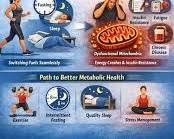
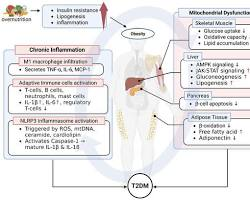
The primary issue we face today is that our modern lifestyle is in direct conflict with our ancient biology. We are constantly exposed to high-stress signals, blue light, and ultra-processed foods that provide energy without the necessary fiber or nutrients. This creates a state of “Metabolic Mismatch” where your body thinks it’s in an emergency, leading to cortisol spikes and the storage of visceral fat. When your metabolic health is compromised, your body loses its “flexibility.” You become unable to switch efficiently between burning sugar and burning fat. This often leads to the “wired but tired” feeling—where you have plenty of stored energy (fat), but your cells can’t access it, leaving you craving sugar for a quick fix. This cycle is a leading cause of systemic inflammation, which can “rust” your joints and accelerate the aging process.
From the lab perspective, I see this show up in the bloodwork as elevated fasting insulin or a skewed triglyceride-to-HDL ratio. It’s a sign that the body’s “engine” is overheating because it can’t find the right gear. By the time 2026 rolled around, we realized that the solution isn’t just “eat less, move more.” The solution is to retrain the nervous system to signal safety, which then allows the metabolism to function with high efficiency rather than in “panic mode.”
Defining Metabolic Health in the 2026 Longevity Context
In clinical terms, metabolic health has traditionally been defined by five key markers: blood sugar, triglycerides, HDL cholesterol, blood pressure, and waist circumference. However, for longevity in 2026, we look deeper at Metabolic Flexibility. This is your body’s ability to adapt its fuel preference based on availability and demand. A metabolically healthy individual can go several hours without food without a “crash,” can utilize protein pacing to build muscle, and has a high vagal tone that allows for deep, restorative sleep. It is the foundation upon which all other fitness goals—from heavy rucking to mobility flows—are built.
The core of this protocol is the “Cellular-to-Central” connection. Your cells (mitochondria) need to produce energy, but they can only do so if the Central Nervous System (Vagus nerve) says it is safe. If you are constantly in a “fight or flight” state, your body will prioritize short-term survival over long-term longevity. This means it will keep blood sugar high (for energy to run away from a tiger) and suppress repair processes. To optimize your metabolism, we have to flip that switch from “Survival” to “Longevity.”
Why Longevity Depends on Your Gut and Nerves
Why do we focus so much on the gut and the nervous system for metabolic health? Because they are the “Command and Control” centers. Research suggests that a healthy gut microbiome produces short-chain fatty acids like butyrate that improve your insulin sensitivity. Without these signals, your metabolism stalls. Simultaneously, the Vagus nerve acts as a “brake” on inflammation. If you are perpetually stressed, your body stays in a catabolic (breakdown) state. By optimizing these two systems, you move from “survival mode” to “growth mode.” This allows your body to dedicate energy to repairing micro-trauma and maintaining bone density, which are critical for preserving independence as you age.
In the lab, we call this the “Gut-Muscle Axis.” When the gut is healthy, it sends signals to the muscles to stay sensitive to insulin. When the muscles are sensitive to insulin, they act as a “metabolic sponge,” soaking up glucose from the blood and keeping systemic inflammation low. This is the virtuous cycle of the 2026 Protocol.
When metabolic health improves, people usually notice:
- more stable energy throughout the day
- fewer sudden crashes after meals
- improved focus and physical endurance
- better recovery from workouts and stress
👉 The changes are gradual, but noticeable in daily life patterns.
Phase 1: The “Insulin Primer” (Morning Alignment)
How you start your day determines your metabolic “slope” for the next 16 hours. If you start with a high-sugar breakfast, you create an insulin spike that will likely lead to a crash and cravings by 11:00 AM. To optimize for longevity, you must “prime” the system for stability.
- The Action: Upon waking, prioritize 30g of high-quality protein and 10g of fiber before any concentrated carbohydrates. This could be eggs with sautéed spinach or a fiber-dense protein shake.
- The Vagal Addition: Spend 5 minutes in natural sunlight. Sunlight on the retina helps regulate your circadian rhythm, which is a major driver of metabolic health.
- The Goal: This stabilizes blood glucose right out of the gate and sets a “high satiety” signal, preventing the mid-afternoon energy slump. It also encourages the body to use stored fat as a bridge to the next meal.
Phase 2: The “Structural Load” (Mid-Day Power)
To maintain a high metabolic rate, you must “remind” your muscles they are needed. Muscle is the most metabolically active tissue in the body. If you don’t use it, your body will eventually “retire” it to save energy, leading to the metabolic slowdown often seen in aging.
- The Action: Perform 20 to 30 minutes of functional strength work or a loaded carry. Focus on proper form to ensure you are targeting the muscles and not just stressing the joints.
- The Neural Component: Use Time-Under-Tension techniques. Slow down the eccentric (lowering) phase of your movements.
- The Goal: This increases “GLUT4” translocation, which allows your muscles to soak up sugar from the blood without needing massive amounts of insulin. This is the key to maintaining insulin sensitivity as we age.
Phase 3: The “Metabolic Flush” (Post-Meal Recovery)
The period immediately following your largest meal is when the most “oxidative stress” can occur. If your blood sugar stays high for too long after eating, it can cause damage to the lining of your blood vessels (endothelium). We want to “flush” that energy into the muscles.
- The Action: After your largest meal, perform 10 minutes of light movement, such as a brisk walk or some light chores. Follow this with 2 minutes of VNS breathwork (the 4-8 exhale).
- The Signal: The movement uses the glucose immediately, while the breathwork activates the “rest and digest” system for optimal nutrient absorption.
- The Goal: By using a “post-meal walk,” you can significantly flatten the glucose curve of that meal, which is one of the most powerful habits for long-term mitochondrial health.
Phase 4: The “Anabolic Sleep Signal” (Evening Repair)
Longevity is not achieved during the workout; it is achieved during the repair phase. If your sleep is shallow or interrupted, your body cannot release the Growth Hormone needed to repair muscle and clear out cellular waste (autophagy).
- The Action: Take 400mg of magnesium glycinate and ensure your last protein hit is at least 90 minutes before bed.
- The Environment: Keep your room cool and dark. Perform a final Vagal Reset before closing your eyes.
- The Goal: This supports the body’s ability to move into a deep, anabolic state. It allows the Vagus nerve to lower your heart rate and settle the nervous system for deep cellular repair.
Expected Results: The Protocol Timeline
When you commit to the 2026 Longevity Protocol, the shifts are often subtle at first but compound rapidly.
- Immediate (Days 1-7): Most people report a significant reduction in the “afternoon slump” and brain fog. Your vagal breathing will make you feel more resilient to daily stress. You’ll notice your digestion feels “lighter.”
- Intermediate (Weeks 2-6): Your “body composition” begins to shift. You’ll notice you are “tighter” and less puffy/inflamed. Your clothes may fit differently even if the scale hasn’t moved drastically, as you are likely building lean tissue while losing visceral fat.
- Long-Term (3 Months+): This is the “Longevity Zone.” Your blood markers (A1c, Triglycerides) should show significant improvement. You have successfully “retrained” your metabolism to be flexible, allowing you to handle high-intensity rucks or occasional “cheat meals” without the metabolic damage that would have occurred previously.
Case Study 1: Reclaiming Energy in the 50s
Subject: 54-year-old male, feeling “slow,” losing muscle, and gaining abdominal fat.
The Problem: He was doing “cardio” for an hour a day but eating a low-protein, high-carb diet. He felt perpetually exhausted and was losing his functional independence. In my observations, he was “over-stressed and under-recovered.” His metabolism was in survival mode.
The Intervention: We swapped his long cardio sessions for 3 days of Time-Under-Tension lifting and implemented the “Insulin Primer” morning protocol. We used C8 MCT Oil to help him bridge his windows without hunger.
The Result: He lost 12lbs of fat and gained 3lbs of muscle in 8 weeks. Research suggests that by prioritizing muscle over just “burning calories,” he increased his basal metabolic rate. He reported feeling “20 years younger” and was able to ruck 3 miles with his grandkids with ease.
Case Study 2: The “Inflamed” Executive
Subject: 41-year-old female, high-stress career, struggling with bloating and joint pain.
The Problem: She was eating “clean” but her gut health was poor, and she was in a state of sympathetic dominance. Her body was “stuck” in an inflammatory loop. Her weight wouldn’t budge despite a caloric deficit.
The Intervention: We introduced VNS breathwork and the “Metabolic Flush” after dinner. We also upped her fiber to 40g/day to feed her anti-inflammatory bacteria.
The Result: Her bloating disappeared in 14 days, and her markers of systemic inflammation dropped by 30%. Observations show that by “quenching the fire” in her gut and nerves, her body finally felt safe enough to drop the protective water weight she was carrying.
Common Mistakes and Troubleshooting
- The “Late-Night” Snack: Eating close to bed is the #1 way to sabotage this protocol. It raises insulin when it should be at its lowest, which shuts down the repair signals your body needs for longevity.
- Over-complicating Supplements: You cannot supplement your way out of a high-stress, low-fiber life. Focus on the protocol steps first before worrying about exotic longevity pills.
- Missing the “Brake”: Training hard without Vagal resets is just adding stress to a stressed system. If you feel “wired but tired,” you need more breathwork, not more rucking.
- Low Protein, High Intensity: If you ruck heavy but don’t pace your protein, your body will cannibalize its own muscle for amino acids, which ruins your metabolic rate.
Longevity Comparison: Survival vs. Optimized
| Feature | Survival Mode (Stressed) | Longevity Protocol (Optimized) |
|---|---|---|
| Primary Fuel | Sugar/Glucose Dependent | Metabolically Flexible (Fat & Glucose) |
| Inflammation | Chronic / High | Quenched / Controlled |
| Insulin Status | High / Resistant | Low / Sensitive |
| Nervous System | Sympathetic Dominant | High Vagal Tone |
| Sleep Quality | Shallow / Interrupted | Deep / Anabolic Repair |
| Body Composition | Visceral Fat Storage | Lean Muscle Preservation |
Metabolic Health FAQ
Q: Can I do this while working a night shift?
A: Yes, but your “morning” starts when you wake up, regardless of the time. Follow the “Insulin Primer” whenever your waking day begins to reset your metabolic clock.
Q: How does fibermaxxing help with blood sugar?
A: Fiber slows down the absorption of sugar in the gut, meaning your insulin doesn’t have to “spike” as high. It also produces short-chain fatty acids that improve cellular insulin sensitivity.
Q: Is “Longevity” just for people over 50?
A: Absolutely not. The “bottlenecks” you fix at 30 are what prevent the diseases of 60. It’s about building Pillar Strength early to maintain it for life.
Q: Should I take C8 MCT Oil every day?
A: It can be a great tool for “brain fuel” while your body is learning to be metabolically flexible, but eventually, your body should be able to burn its own fat for that energy.
Q: What is the most important part of this protocol?
A: Consistency. A “good” day followed 6 times a week is infinitely better for your metabolism than a “perfect” day done once a month.
Final Takeaway: The Discipline of the Optimized Human
In 2026, we have realized that the most “advanced” technology we own is the one between our ears and inside our gut. Metabolic Health Optimization is the ultimate act of self-respect. By aligning your nutrition, movement, and nervous system, you aren’t just “staying fit”—you are ensuring that your future self has the strength, clarity, and independence to enjoy every year to its fullest. This protocol is your key to unlocking a body that doesn’t just age, but evolves.
If your goal is better metabolic health:
- focus on consistent sleep and routine
- avoid extreme diet or training swings
- keep movement regular and simple
- prioritize long-term balance over short-term hacks
👉 Your body responds best to stability, not complexity.
Disclaimer: This information is for educational purposes only and is not intended as medical advice. Individual results may vary. Consult a professional before beginning any new metabolic or nutritional protocol, especially if you have pre-existing conditions like diabetes or heart disease. Use of these protocols is at your own risk.
Next Step: Find Your Metabolic Bottleneck
Are you a Stalled Optimizer or a Metabolic Warrior? Stop guessing and start signaling.
To find out which of your 4 biological pillars is stalling your progress, take our 2-minute diagnostic:
Take the 2026 Bio-Recovery AuditDiscover your score across the 4 Pillars of Performance: Engine, Armor, Cleanup, and Repair.