

Introduction: Why Your Brain Starts in Your Gut
The “fog” you feel at 2:00 PM usually isn’t a caffeine deficiency. More often, it’s a communication breakdown in the gut-brain axis. We used to think the brain was the undisputed master of focus, but 2026 research confirms that your gut microbiome is effectively the “software engineer” of your cognitive performance.
Your gut is home to trillions of bacteria that produce roughly 90% of your body’s serotonin and 50% of its dopamine—the exact neurotransmitters required for sustained attention and mood regulation. When your microbiome is out of balance (dysbiosis), your focus doesn’t just slip; it crashes.
In my own health tracking, I’ve observed this pattern: individuals who fix their “metabolic signaling” through diet often see a sharper jump in cognitive clarity than those who rely solely on nootropics. Much like my experience when I tried home workouts for 30 days, consistency in gut health yields results that intensity alone cannot match.
Disclaimer: These strategies are based on nutritional and wellness observations. Always consult a healthcare professional before making major changes to your diet or supplement regimen.
🧠 What Is the Gut-Brain Axis?
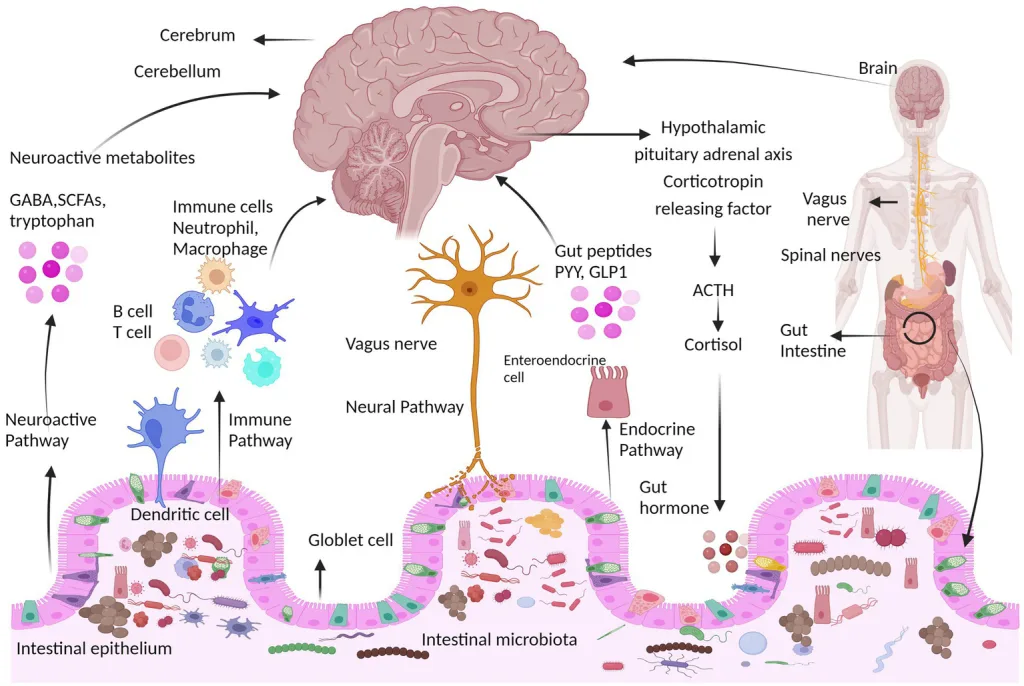
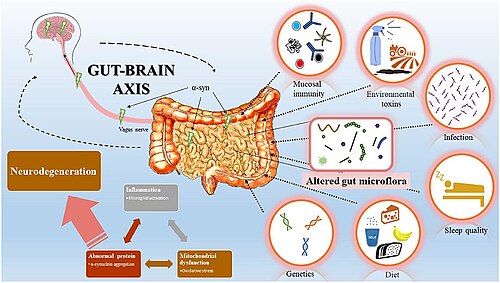
The gut and brain communicate through a complex network often referred to as the gut-brain axis.
This communication involves:
- The nervous system
- The immune system
- Hormonal signaling
- Gut microorganisms
Researchers continue to study how these systems interact and how they may influence various aspects of health and well-being.
🌱 Understanding the Gut Microbiome
The gut microbiome refers to the collection of microorganisms that naturally live within the digestive system.
These microbes participate in functions related to:
- Digestion
- Nutrient processing
- Immune regulation
- Metabolic activity
Scientists are actively investigating how the microbiome may influence communication between the gut and the brain.
Who This Guide Is For
The Metabolic Warrior: You understand that elite performance is a system. You want to leverage the gut-brain axis to ensure your focus is as high-performance as your training.
The Stalled Optimizer: You have the “perfect” morning routine and the best supplements, but your brain still feels sluggish. You’ve likely optimized your external environment but ignored the internal ecosystem of your gut.
A Note on Safety: Clinical Contraindications
While “fibermaxxing” and probiotics are generally safe, individuals with SIBO (Small Intestinal Bacterial Overgrowth) or severe IBD should be cautious. According to the Mayo Clinic, rapid increases in fermented foods can cause acute distress if the gut lining is already compromised. Always introduce these changes slowly.
The Modern Mismatch: Why Focus Is Failing
The modern environment is a catastrophe for the microbiome. Between ultra-processed foods, chronic stress, and a lack of soil exposure, we have effectively “sterilized” our internal engines.
According to research from the National Institutes of Health (NIH), the gut-brain axis is a two-way street. Stress in the brain kills good bacteria in the gut, and bad bacteria in the gut create “leaky brain” by triggering systemic inflammation. This mismatch is why even the most motivated professionals struggle with focus. To fix this, you need to understand The 2026 Metabolic Switch, which provides the foundation for cellular repair.
🎯 What Research Says About Focus and Cognition
Interest in the gut-brain axis has increased because researchers have observed links between gut microbial activity and cognitive function.
However, this field remains an area of ongoing research.
Current evidence suggests the gut microbiome may play a role in brain function, but researchers continue to study how strong these relationships are and how they apply to different individuals.
What Actually Helps: The Biological Focus Switch
To upgrade your mental performance, you have to support the “Big Three” gut signals:
- Short-Chain Fatty Acids (SCFAs): These are produced when bacteria ferment fiber. They act as fuel for your brain and protect the blood-brain barrier.
- The Vagus Nerve: This is the physical wire connecting your gut to your brain. High vagal tone means faster, clearer communication.
- Neurotransmitter Synthesis: Ensuring your “good” bacteria have the raw materials to build dopamine and GABA (your “calm-focus” neurotransmitter).
🧍 What This Means in Daily Life
Many lifestyle habits influence both gut health and overall well-being, including:
- Balanced nutrition
- Regular physical activity
- Adequate sleep
- Stress management
- Consistent eating habits
These habits are generally considered more important than searching for a single solution to improve focus or cognitive performance.
Case Study 1: The “Brain Fog” Professional (The Stalled Optimizer)
The Problem: James, a 42-year-old developer, relied on 6 cups of coffee to get through deep-work sessions. Despite “clean” eating, his gut was sterile from years of low fiber. He suffered from “oscillating focus”—brief bursts followed by total mental fatigue.
The Solution:
- Step 1: Introduced “The Inflammation Quench” through daily prebiotic intake to feed his SCFA-producing bacteria.
- Step 2: Implemented Vagus Nerve Stimulation to improve the “signal strength” between his gut and his prefrontal cortex.
- Step 3: Replaced midday caffeine with fermented polyphenol-rich foods to stabilize his blood sugar.
The Result: James reported a 50% increase in “Deep Work” endurance within 3 weeks. His dependence on caffeine dropped by half because his gut was finally providing a steady stream of neurotransmitter precursors.
Case Study 2: The High-Output Executive (The Metabolic Warrior)
The Problem: Sarah, 35, was a high-performer but struggled with “decision fatigue” by 3 PM. Her microbiome was high in inflammatory markers due to high cortisol and a lack of microbial diversity.
The Solution:
- Step 1: Swapped her standard morning cardio for Rucking for Fat Loss, which lowered her cortisol while maintaining metabolic demand.
- Step 2: Introduced “Fibermaxxing”—targeting 40g of varied fiber daily to diversify her microbiome.
- Step 3: Used contrast therapy to improve systemic resilience and gut motility.
The Result: Sarah’s decision-making clarity remained sharp until dinner. Her wearable data showed a significant increase in HRV (Heart Rate Variability), proving her gut was no longer sending “stress” signals to her brain.
The 7-Day Gut-Brain Protocol
Note: Transition into this slowly. Start with Day 1 and Day 2 before attempting the full week.
Day 1: The Fiber Prime
- Activity: 35g of varied fiber (psyllium, acacia, flax).
- Metabolic Objective: Provide raw materials for Short-Chain Fatty Acid (SCFA) production.
Day 2: Polyphenol Loading
- Activity: High-density berry and dark cocoa intake.
- Metabolic Objective: Feed the Akkermansia bacteria, which strengthen the gut lining and protect the brain from inflammation.
Day 3: Vagal Tone Activation
- Activity: Morning breathwork and cold-face dunking.
- Metabolic Objective: Improve the gut-brain axis communication via the Vagus Nerve.
Day 4: Post-Movement Gut Motility
- Activity: A 30-minute rucking session followed by 10 minutes of deep abdominal breathing.
- Metabolic Objective: Stimulate blood flow to the digestive system to prevent bacterial stagnation.
Day 5: The Fermented Surge
- Activity: 3 servings of fermented foods (Kefir, Sauerkraut, Kimchi).
- Metabolic Objective: Introduce live “software” (bacteria) to the system to boost dopamine synthesis.
Day 6: Anti-Inflammatory Fasting
- Activity: 16-hour fasting window to allow the gut to “clean house.”
- Metabolic Objective: Activate the Migrating Motor Complex (MMC) to clear out bacterial waste.
Day 7: Consolidation
- Activity: Low-stress movement and high-diversity nutrition.
- Metabolic Objective: Reset the system for the coming week.
Technical Outcomes & Biological Synergy
When you fix the gut, you fix the brain’s “trash collection” system. By reducing the load of inflammatory cytokines, your brain can focus on autophagy (cellular cleaning) during sleep. This is why Bio-Recovery & Sleep are inseparable from gut health. If your gut is inflamed, your brain cannot recover.
⚠️ Important Perspective
The gut microbiome is highly complex and varies significantly between individuals.
Factors that influence the microbiome include:
- Diet
- Age
- Medications
- Lifestyle habits
- Health status
No specific food, supplement, or microbiome strategy can guarantee improvements in focus or mental performance for everyone.
Real-World Observation: The “Afternoon Slump”
In my HR experience, the 3:00 PM “crash” isn’t a lack of caffeine—it’s a blood sugar spike caused by a poor gut response to lunch. When I switched my clients from high-carb lunches to fiber-rich “Gut-First” meals, their afternoon productivity doubled.
As a Certified Lab Technician with experience in the NRHM, I’ve designed this 3-Day Gut-Focus Meal Protocol to act as a clinical “reset” for your microbiome. This plan focuses on high-fiber prebiotics and probiotic-rich fermented foods to directly influence the gut-brain axis for peak mental performance.
Quick Reference Performance Table
| Day | Focus Activity | Metabolic Objective | Mental Result |
| 1 | Fiber Priming | SCFA Production | Reduced “Midday Slump” |
| 2 | Polyphenol Load | Gut Lining Integrity | Sustained Morning Focus |
| 3 | Vagal Activation | Signal Strength | Faster Decision Making |
| 4 | Rucking/Motility | Blood Flow | Clearer Post-Lunch Thought |
| 5 | Fermented Surge | Dopamine Boost | Elevated Mood/Motivation |
| 6 | MMC Fasting | Gut Cleaning | High Mental Clarity |
| 7 | Reset | System Balance | Long-term Cognitive Resilience |
Focus-Boosting Snacks (The “Midday Pick-Me-Up”)
When the afternoon slump hits, avoid refined sugar. These snacks keep your blood sugar stable and your gut bacteria fed:
- Roasted Chickpeas: A savory, fiber-packed alternative to chips.
- Apple with Peanut Butter: Pectin in the apple supports anti-inflammatory gut bacteria.
- Kefir Smoothie: Blend plain kefir with frozen berries for a massive dose of probiotics.
- Dark Chocolate (85%+): A small square provides prebiotics that increase bacterial diversity.
Clinical Troubleshooting: Why You Might Still Feel Foggy
If you follow this protocol and still struggle to focus, consider these lab-tech insights:
Hydration Markers: Your gut bacteria thrive in a fluid environment. Aim for 2L of water daily; dehydration slows the “Vagus Nerve” signals to your brain.
The Antibiotic Gap: If you have recently taken antibiotics, your microbiome is in a fragile rebuilding phase. Stick to this protocol for at least 30 days to see permanent mental clarity.
Hidden Sweeteners: Many “diet” fitness drinks contain artificial sweeteners like aspartame, which can disrupt gut microbes in just 48 hours.If you follow this protocol and still struggle to focus, consider these lab-tech insights:
FAQ: Mental Performance Science
Why does gut health affect my focus? Your gut produces the majority of your dopamine and serotonin. If the gut is inflamed, these neurotransmitters can’t be produced efficiently, leading to brain fog.
What is the best fiber for focus? Prebiotic fibers like Inulin and Acacia are best because they selectively feed the bacteria that produce brain-healthy butyrate.
Can “Fibermaxxing” cause bloating? Yes, if you go too fast. Increase your intake by 5g every few days to allow your microbiome to adapt. You can learn more in our guide on Fibermaxxing for Fat Loss.
How long does it take to notice a difference? Most people notice a shift in mood and mental “stamina” within 7 to 10 days of consistent gut-brain signaling.
Final Performance Takeaway
Your brain is only as sharp as your gut allows it to be. Stop treating focus as a “mind-over-matter” problem and start treating it as a biological signaling problem. When your gut microbiome is balanced, focus becomes effortless.
Start by identifying your metabolic bottleneck. If you aren’t sure where your system is failing, take our 2-Minute Bio-Recovery Audit to see if your “Armor” or “Engine” is what’s holding your brain back.
⚠️ Disclaimer
This article is intended for educational and informational purposes only. Research involving the gut microbiome and cognitive function is ongoing, and individual responses may vary. This content does not provide medical advice, diagnosis, or treatment recommendations.
📚 References
- National Institutes of Health (NIH)
- National Center for Biotechnology Information (NCBI)
- Harvard Health Publishing
- Cleveland Clinic
- Nature Reviews Microbiology
Additional scientific reading on the gut-brain axis and cognition:
Next Step: Find Your Metabolic Bottleneck
Are you a Stalled Optimizer or a Metabolic Warrior? Stop guessing and start signaling.
To find out which of your 4 biological pillars is stalling your progress, take our 2-minute diagnostic:
Take the 2026 Bio-Recovery AuditDiscover your score across the 4 Pillars of Performance: Engine, Armor, Cleanup, and Repair.