

If you have ever started a new fitness routine with high hopes, only to be sidelined three weeks later by a sharp pain in your shoulder or a nagging ache in your lower back, you are not alone. In my years as a lab technician observing the physiological markers of overtraining and mechanical stress, I’ve seen that the “beginner’s wall” is rarely a lack of motivation—it is almost always an issue of physical “friction.” We want to go from zero to sixty, but our joints and tendons are still living in second gear.
That frustrated, “I’m just not built for this” feeling is one of the biggest hurdles to long-term strength and independence. The truth is, your body is built for this, but it requires a specific “onboarding” process to avoid the systemic inflammation that leads to burnout. This guide is about identifying the 5 most common “landmines” in beginner workouts and giving you the technical tools to sidestep them, keeping your vagus nerve calm and your progress steady.
Key Points: The Injury Prevention Blueprint
- Progressive Loading: Research suggests that increasing intensity by no more than 10% per week may help tendons adapt without triggering a massive inflammation spike.
- Connective Tissue Lag: Muscle fibers often adapt faster than tendons and ligaments; patience is required to allow your “internal scaffolding” to catch up.
- The Warm-Up Signal: A dynamic warm-up isn’t just about heat; it’s about signaling the nervous system to “prime” the muscles for the coming load.
- Bio-Feedback Awareness: Learning the difference between “productive fatigue” and “destructive pain” is a core skill in neuro-fitness.
THE PROBLEM: The “Too Much, Too Soon” Cortisol Loop
The most common mistake for beginners in 2026 is the “all-out” mentality. When you jump into a high-intensity rucking session or a complex strength routine without a foundation, you create a massive spike in cortisol. This isn’t just a “stress hormone”; it is a signal that tells the body to hold onto visceral fat and break down muscle tissue for quick energy.
When you are constantly “fighting” an injury, your body remains in a pro-inflammatory state. As we explored in The Inflammation Quench, this chronic fire prevents you from absorbing the nutrients from your protein pacing effectively. You end up in a “hamster wheel” of effort where you are working harder but getting softer because your body is too busy trying to repair damaged joints to focus on burning fat or building lean mass.
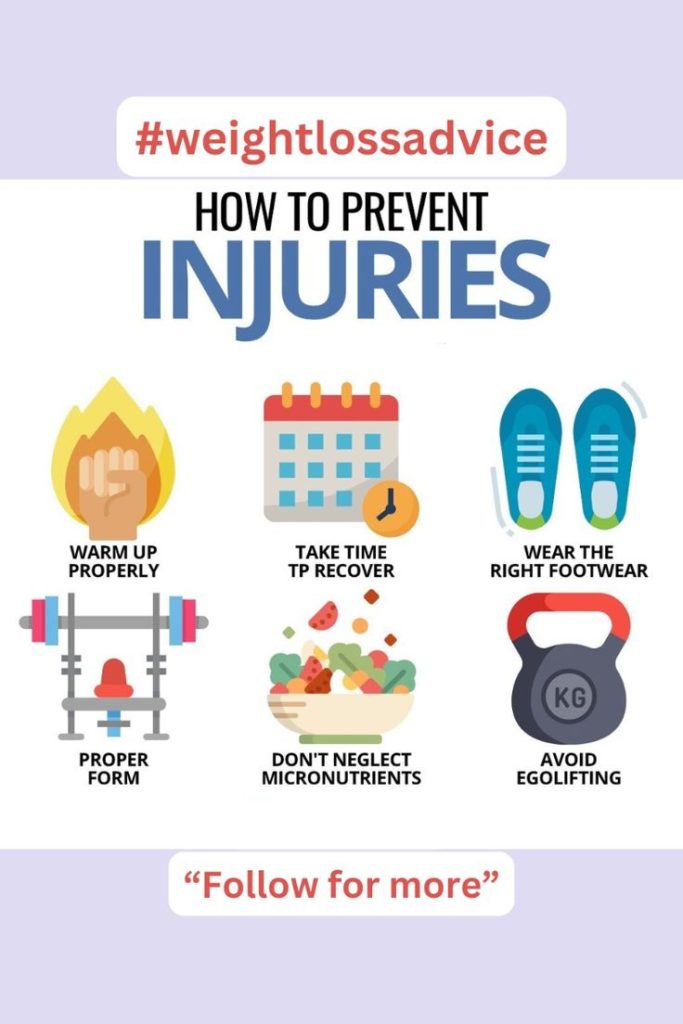
WHAT: Defining the “Injury Threshold”
In a clinical context, an injury occurs when the load placed on a tissue exceeds its “capacity for repair.” For a beginner, that capacity is relatively low. Your muscles might have the strength to lift a weight, but your tendons—the tough “ropes” that connect muscle to bone—have much less blood flow and take longer to strengthen.
Injury prevention is the art of staying just below that threshold while slowly raising it over time. By following proper exercise form, you ensure the load is distributed across your “Structural Integrity” rather than being concentrated on a single, vulnerable point like your lower back or rotator cuff.
WHY: The Link Between Recovery and Resistance
Why do beginners get injured more often? It’s rarely about “weakness” and usually about “signaling.” When you perform a new movement, your brain is trying to figure out which muscle fibers to fire. This is a neuro-fitness challenge. If the brain gets confused, it may “recruit” smaller, stabilizer muscles to do the work of large movers, leading to strains.
Moreover, if your gut health is poor, your body may lack the systemic “calm” needed to repair micro-trauma efficiently. A body that is “internally stressed” is a body that is “externally brittle.” By stabilizing your internal environment, you make your external structure more resilient to the stresses of the gym.
THE SOLUTION: 5 Common Mistakes & Prevention Tips
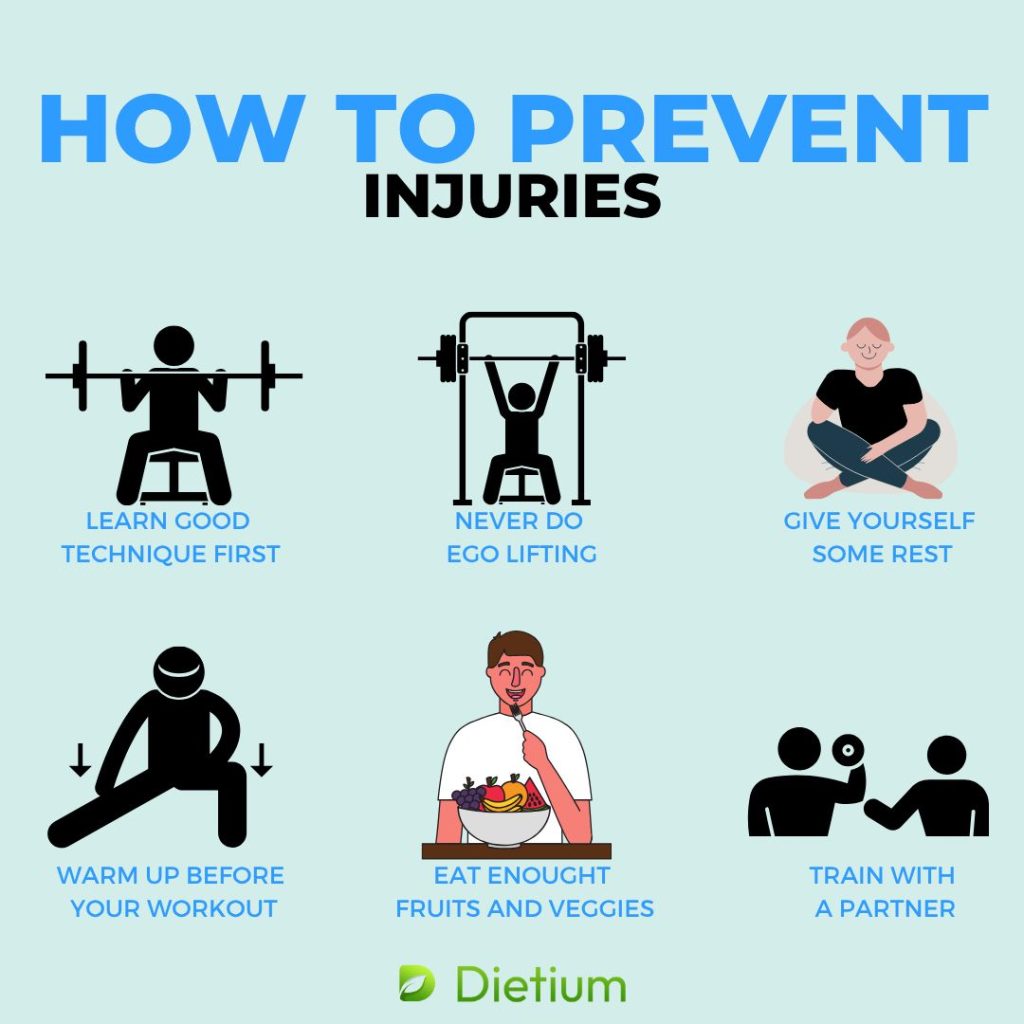
Mistake 1: Ignoring the “Dynamic” Start
Many beginners either skip the warm-up or do “static stretching” (holding a stretch), which can actually temporarily weaken the muscle before a lift.
- The Prevention Tip: Spend 5-8 minutes on “Dynamic” movements like arm circles, leg swings, or mobility flows.
- The Goal: This increases blood flow and “wakes up” the nervous system, signaling to the vagus nerve that it’s time to move.
Mistake 2: The “Ego” Weight Jump
Seeing someone else ruck with 50lbs or lift heavy dumbbells can tempt you to match them before your joints are ready.
- The Prevention Tip: Use the “2-Rep Rule.” If you can’t perform a movement with perfect form for at least 2 reps beyond your target, the weight is too heavy.
- The Goal: This ensures you are staying within your “Safety Zone” while still providing enough stimulus for post-prandial thermogenesis.
Mistake 3: Breath Holding and “Core Collapse”
Beginners often hold their breath when things get hard, which causes internal pressure to drop and the spine to become vulnerable.
- The Prevention Tip: Practice the “360-degree brace” and exhale on the hardest part of the lift.
- The Goal: This creates a “pneumatic shield” for your lower back, preventing the “twinges” that often derail a functional strength routine.
Mistake 4: Neglecting the Eccentric (The “Drop” Mistake)
Many injuries happen not when lifting the weight, but when “dropping” it or letting it fall back to the start position without control.
- The Prevention Tip: Focus on Time-Under-Tension. Take 3 full seconds to lower the weight.
- The Goal: This builds “deceleration strength” in the tendons, which is the #1 way to bulletproof your joints against future tears.
Mistake 5: Poor Sleep and “Repair” Nutrition
You don’t get stronger in the gym; you get stronger after the gym. Skipping sleep or protein pacing is an injury waiting to happen.
- The Prevention Tip: Ensure you get 7-9 hours of sleep and hit a protein goal within 60 minutes of training.
- The Goal: This provides the growth hormone signal and amino acids needed to heal micro-trauma before it becomes a macro-injury.
RESULT EXPECTED: The “Resilient Beginner” Timeline
- Immediate (Week 1): You will likely feel “good sore”—a dull muscular ache that fades within 48 hours. Your Vagus nerve reset will keep you from feeling “burned out” by your third session.
- Intermediate (Weeks 2-6): Your “neuromuscular efficiency” improves. You’ll feel more stable and less “clumsy” with the weights. This is where your fat loss signaling really starts to kick in.
- Long-Term (Months 3+): You have successfully avoided the “revolving door” of injury. You are now a “High-Level Intermediate” with the functional capacity to handle advanced loads.
CASE STUDY 1: Overcoming the “Runner’s Shin Splints”
Subject: 38-year-old female starting a rucking for fat loss program.
The Problem: After two weeks of carrying a 20lb pack, she developed severe shin pain. She thought she just had “bad legs.” In my clinical observations, her problem was Mistake 1 and Mistake 2—no warm-up and too much weight for her ankle mobility.
The Intervention: We lowered her pack weight to 10lbs and introduced a 5-minute ankle and calf mobility flow. We also added a magnesium protocol to help her muscles relax after rucking.
The Result: Her pain vanished in 12 days. Research suggests that by allowing the “connective tissue lag” to catch up, she strengthened her tibialis anterior without further injury. She was back to her 20lb pack within a month, but this time with a resilient foundation.
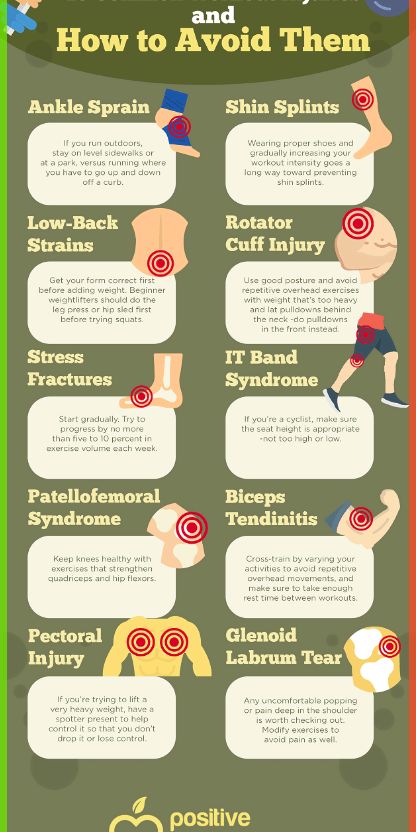
CASE STUDY 2: Saving a Beginner’s “Rotator Cuff”
Subject: 45-year-old male using resistance bands for at-home strength.
The Problem: He felt a “snap” in his shoulder during an overhead press. He was “dropping” the bands (Mistake 4) and had zero shoulder stability. He was on the verge of needing physical therapy.
The Intervention: We implemented Time-Under-Tension control (3 seconds down) and taught him to properly pack his shoulders. We also focused on his gut health to lower his systemic inflammatory markers.
The Result: His shoulder pain cleared up without surgery or injections. Observations show that by controlling the eccentric phase, he forced his rotator cuff to “stabilize” rather than “shock.” He is now rucking and lifting with more confidence than he had in his 20s.
COMMON MISTAKES & TROUBLESHOOTING
- “I’m too sore to move”: This is often a sign of dehydration or mineral deficiency. Don’t stay on the couch—do a light Vagal walk to move the blood.
- “My joints click but don’t hurt”: Clicking is often just gas bubbles or tendons snapping over bone. It’s usually fine unless accompanied by pain. Focus on mobility flows to “grease the groove.”
- “I feel a sharp pain during a move”: Stop. Stop immediately. This is Mistake 6 (Ego). Regroup, lower the weight, and check your form rules.
- “I’m not getting stronger”: Check your protein pacing. If you aren’t providing building blocks, your body won’t “waste” energy on repair.
COMPARISON: Injury-Prone vs. Injury-Proof Training
| Feature | The “Gung-Ho” Beginner | The “Technician” Beginner |
| Warm-Up | Non-existent or Static | Dynamic & Neural Priming |
| Weight Selection | “As much as possible” | “As much as I can control” |
| Movement Speed | Fast / Explosive | Controlled / TUT focused |
| Post-Workout | High Stress / No Recovery | Vagal Reset & Protein |
| Outcome | Burnout / Injury in 4 weeks | Consistent Longevity & Growth |
FAQ: Frequently Asked Questions
Q: Should I take ice baths after every workout?
A: Not necessarily. While they help with “The Burn,” they can actually blunt the muscle growth signal if used too soon after lifting. Save the cold for the Vagal Reset sessions.
Q: Is it okay to workout with a “minor” injury?
A: Only if it doesn’t hurt during the move. If you have a hurt shoulder, you can still do walking or leg work. Just don’t “test” the injury.
Q: Does fibermaxxing really help with injury?
A: Yes. A healthy gut reduces systemic inflammation, which allows your body to dedicate more resources to repairing micro-trauma in your joints.
Q: How do I know if I’m “overtraining”?
A: Watch your resting heart rate. If it’s 10 beats higher than usual in the morning, your Vagus nerve is signaling that you need a recovery day.
Q: What is the best “beginner” move for safety?
A: Loaded carries. They teach you to brace and move safely with almost zero risk of joint shearing.
FINAL TAKEAWAY: The Power of the Patient Professional
In 2026, the people who look the best and move the best are not the ones who “crushed” themselves for a month; they are the ones who remained uninjured for a year. Injury prevention is the ultimate metabolic advantage. By respecting the mechanics of your body and the signaling of your nervous system, you aren’t just “staying safe”—you are clearing the path for permanent fat loss and unlimited strength.
About the Author
Insights provided by a Lab Technician and NRHM veteran specializing in injury prevention and metabolic signaling. At FitBodySync, we believe that staying in the game is the only way to win it.
Disclaimer: This information is for educational purposes only and is not intended as medical advice. Individual results may vary. Always consult a professional before beginning a new exercise program, especially if you have a history of injury or chronic pain. Use of these protocols is at your own risk.
Next Step: Find Your Metabolic Bottleneck
Are you a Stalled Optimizer or a Metabolic Warrior? Stop guessing and start signaling.
To find out which of your 4 biological pillars is stalling your progress, take our 2-minute diagnostic:
Take the 2026 Bio-Recovery AuditDiscover your score across the 4 Pillars of Performance: Engine, Armor, Cleanup, and Repair.