

When most people think about core training, their minds immediately jump to high-intensity abdominal exercises designed to carve out visible muscle definition. Similarly, glute exercises are frequently associated with superficial, appearance-focused aesthetic goals.
However, the true structural value of a well-conditioned core and glute complex extends far beyond surface aesthetics.
┌────────────────────────────────────────────────────────────────────────┐
│                        THE STRUCTURAL STABILITY MATRIX                 │
├───────────────────────────────┬────────────────────────────────────────┤
│ ❌ THE VISUAL-ONLY VIEW        │ "Core training is just for visible abs │
│                               │ and glute work is solely for shape."   │
├───────────────────────────────┼────────────────────────────────────────┤
│ 🛡️ THE FUNCTIONAL REALITY      │ The central kinetic engine responsible │
│                               │ for spinal safety and force transfer.  │
└────────────────────────────────────────────────────────────────────────┘
The deep muscles of your abdomen, lower back, and hips form the central kinetic engine of the entire human frame. They play a truly critical role in maintaining daily posture, supporting balance, optimizing walking efficiency, and driving everyday movement.
Whether you are carrying a heavy basket of laundry up a flight of stairs, lifting heavy groceries from the trunk of your car, or getting out of a deep office chair, these muscle groups work continuously to stabilize your spine and transfer physical force safely.
Shifting your focus toward building a rock-solid anatomical foundation allows you to move past short-term fitness trends. By developing functional core and glute strength, you can build a highly resilient body that moves with absolute ease and supports your physical freedom for years to come.
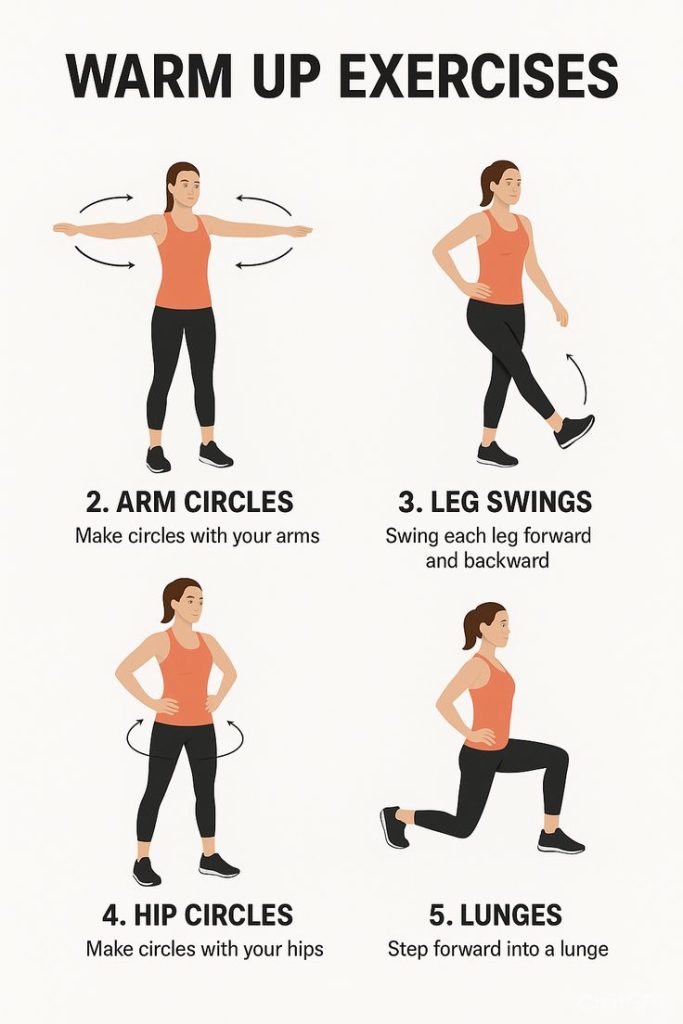
The Core and Glutes: The Body’s Stability System
To understand how your body coordinates movement, it helps to think of the core and glute complex as the foundational structural anchor of your entire system.
From an anatomical perspective, your “core” is not just the front wall of your stomach; it is a three-dimensional box that includes your deep abdominal walls, the muscles running along your spine, your diaphragm, and the pelvic floor. Directly connected to this network are your gluteal muscles—the gluteus maximus, medius, and minimus—which control the alignment of your pelvis and hips.
                       ┌─────────────────────────┐
                       │ THE CORE-GLUTE LINKAGE  │
                       └────────────┬────────────┘
                                    ▼
         ┌──────────────────────────┼──────────────────────────┐
         ▼                          ▼                          ▼
┌─────────────────┐        ┌─────────────────┐        ┌─────────────────┐
│ SPINAL SAFETY   │        │ PELVIC CONTROL  │        │ FORCE TRANSFER  │
│ Creates a safe, │        │ Stabilizes the  │        │ Channels lower  │
│ rigid shield    │        │ hips to prevent │        │ body power up   │
│ around your     │        │ awkward twisting│        │ cleanly into    │
│ central column  │        │ during motion   │        │ your upper frame│
└─────────────────┘        └─────────────────┘        └─────────────────┘
When these two major muscle groups fire together in harmony, they create an incredibly efficient stability system. They keep your spine safely aligned, support your posture under load, improve your balance on uneven surfaces, and ensure that your hips track perfectly while walking or running.
If this central anchor becomes weak or inactive, your body loses its ability to distribute mechanical stress evenly. As a result, minor everyday movements end up overloading smaller, vulnerable joints like your lower back and knees.
Why Modern Lifestyles Drain Central Strength
Subtle declines in core and hip strength are rarely caused by a simple lack of effort. Instead, they are typically the direct structural consequence of modern daily environments, which are heavily stacked against natural human movement patterns.
- The Physical Tax of Extended Sitting: Spending long hours working at a desk or commuting in a vehicle keeps your hips in a constantly bent, flexed position. Over time, this continuous posture can cause your hip flexors to become excessively tight, while causing your glute muscles to undergo a process called reciprocal inhibition—essentially falling asleep and forgetting how to fire efficiently during daily movement.
- The Limitations of Cardio-Only Routines: Many individuals looking to improve their health focus entirely on casual cardio options like cycling or using an elliptical machine while completely avoiding regular resistance training. While cardio supports your lungs and heart, it does not provide the high-intensity physical challenge needed to keep your deep stabilizing muscles strong and active.
- The Compounding Impact of Age-Related Muscle Loss: As the body moves past the age of 30, it naturally begins to lose skeletal muscle mass and functional tissue density over time—a biological process known as sarcopenia. Without regular, intentional strength training to combat this shift, the loss of muscle shows up first in your primary stabilizing centers, quietly chipping away at your daily balance and structural stability.
The Core Foundations of Structural Strength
Prioritizing your central stabilizing system delivers a massive array of real-world physical benefits that completely transform how your body functions:
Key pillars of functional development
| Structural Quality | The Underlying Biological Mechanics | The Practical Real-World Benefit |
| Optimized Posture | • Supports upright spinal alignment and balances the position of your pelvis. | • Drastically reduces muscle fatigue and tension while sitting or standing. |
| Enhanced Balance | • Sharpening central neural control and improving foot-to-hip coordination. | • Protects against unexpected trips and sudden slips on slick surfaces. |
| Efficient Gait Mechanics | • Stabilizes the pelvis laterally, ensuring smooth, even steps while walking. | • Increases walking stamina and keeps your knees and ankles tracking safely. |
| Improved Exercise Safety | • Creates a rigid, supportive bridge that safely transfers force between your limbs. | • Allows you to lift heavier weights and complete workouts with zero strain. |
A Beginner-Friendly Core and Glute Toolkit
You do not need to perform complex, acrobatic movements or handle extreme gym weights to wake up and strengthen your central stability system. You can easily build a highly resilient foundation at home using these nine foundational, low-impact movements:
                  ┌──────────────────────────────────────────────┐
                  │         THE RESILIENT FOUNDATION MATRIX      │
                  └──────────────────────┬───────────────────────┘
                                         │
     ┌───────────────────┬───────────────┴───┬───────────────────┐
     ▼                   ▼                   ▼                   ▼
┌──────────────┐   ┌──────────────┐   ┌──────────────┐   ┌──────────────┐
│ GLUTE BRIDGE │   │ THE BIRD DOG │   │ THE DEAD BUG │   │ BODY SQUAT   │
│ Lie flat,    │   │ Reach opposite│   │ Lie on back, │   │ Drop your    │
│ squeeze your │   │ limbs out from│   │ extend alternating│ hips down and│
│ hips upward  │   │ hands & knees │   │ arm and leg  │   │ back with a  │
│ to engage    │   │ to build deep │   │ slowly to fix│   │ proud chest  │
│ posterior line│  │ spinal safety│   │ anterior tilt│   │ for leg base │
└──────────────┘   └──────────────┘   └──────────────┘   └──────────────┘
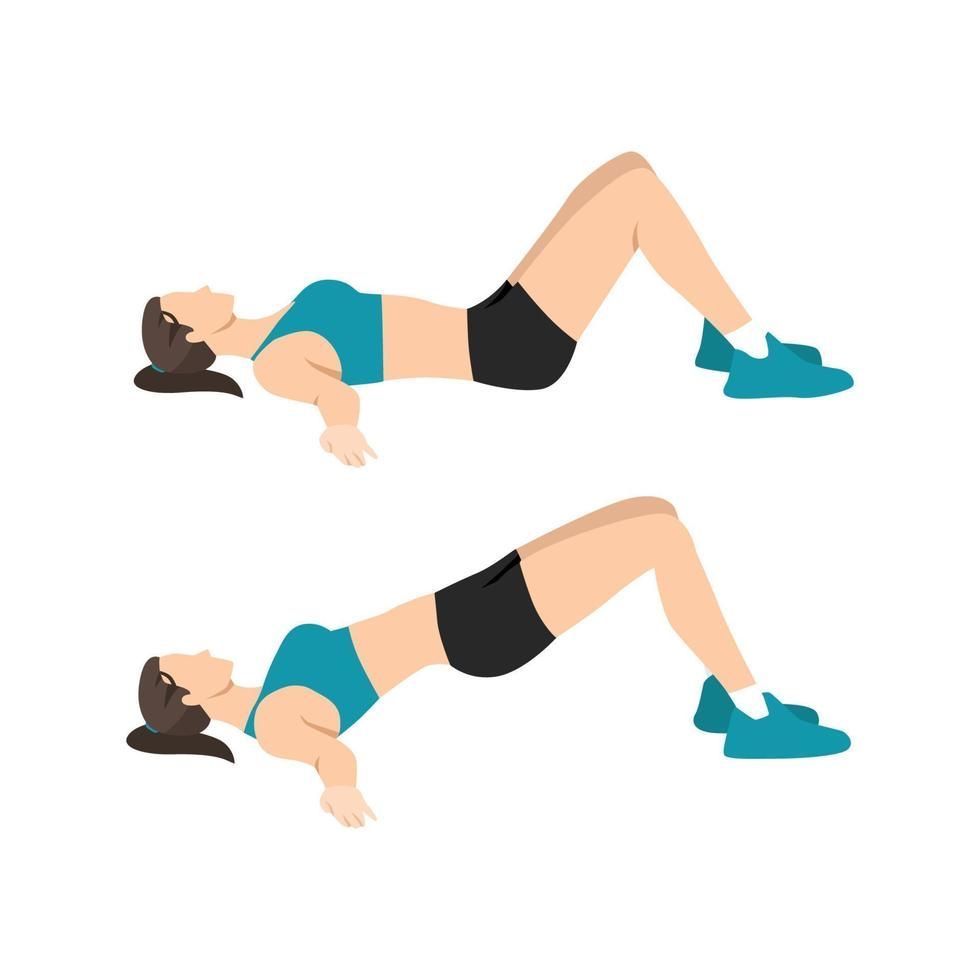
1. The Classic Glute Bridge
Lie flat on your back with your knees bent and feet flat on the floor, spaced about hip-width apart. Squeeze your glutes firmly and push through your heels to lift your hips toward the ceiling until your body forms a straight line from your shoulders to your knees. Hold the contraction at the top for two seconds before slowly lowering back down. This is an exceptional way to activate sleepy glutes without straining your lower back.
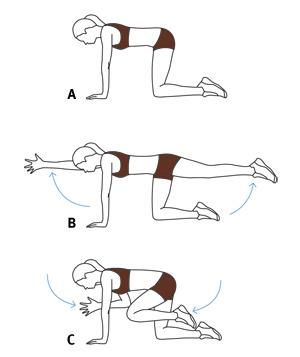
2. The Bird Dog
Start on your hands and knees in a tabletop position, keeping your spine neutral and your eyes focused on the floor. Slowly extend your right arm straight forward while simultaneously reaching your left leg straight back behind you. Hold for a brief second, return to the start position with control, and switch sides. This movement teaches your core to stabilize your spine while your limbs are in motion.
3. The Controlled Bodyweight Squat
Stand tall with your feet placed slightly wider than hip-width apart and your toes pointed slightly outward. Initiate the movement by shifting your weight into your heels, pushing your hips back, and bending your knees as if you are sitting down into an invisible chair. Keep your chest up and push firmly back to the starting position. Squats are an incredible compound movement for building total lower-body strength.
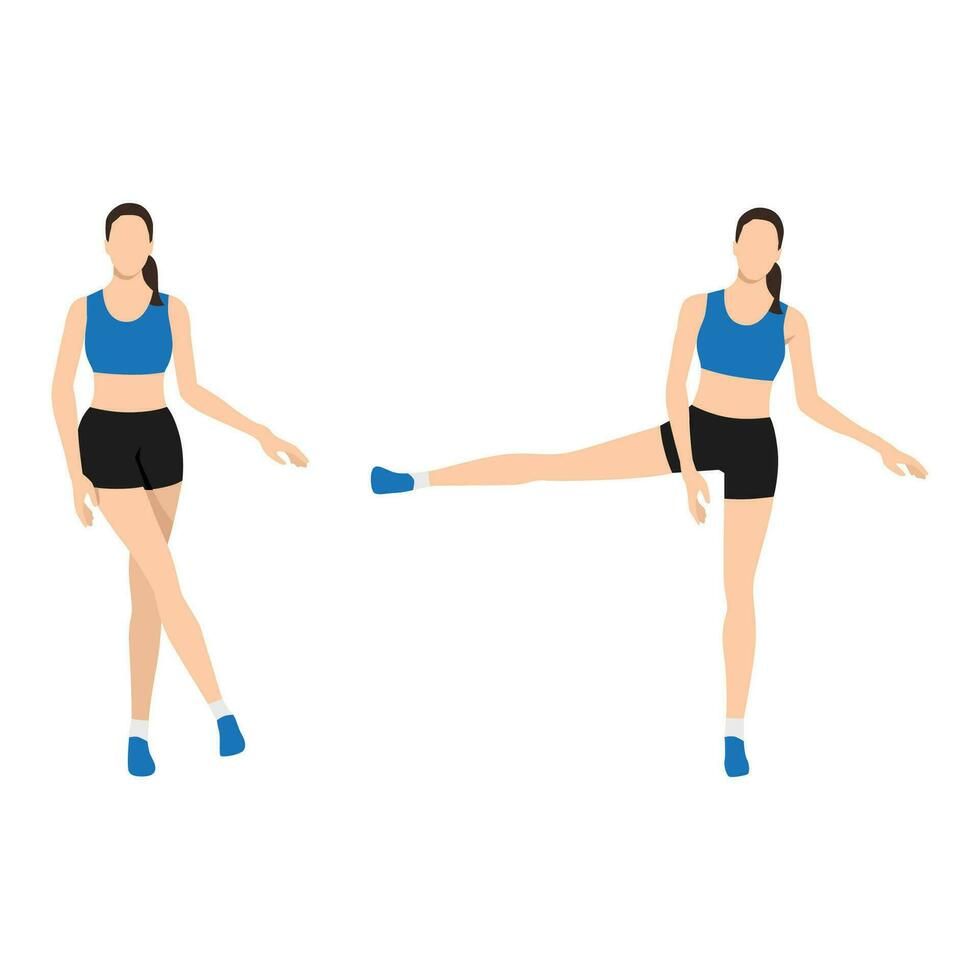
4. The Dead Bug
Lie on your back with your arms reaching straight toward the ceiling and your knees bent at a 90-degree angle directly over your hips. Bracing your lower back firmly flat against the floor, slowly lower your right arm backward over your head while simultaneously extending your left leg straight out in front of you. Bring them back to the center and repeat with the opposite limbs. This is the ultimate tool for correcting anterior pelvic tilt and building deep abdominal control.
5. Stable Step-Ups
Find a sturdy bench, box, or step. Place your entire right foot firmly onto the elevated surface. Push down through your heel to lift your body up until your right leg is completely straight, then step down slowly with your left foot. Complete a full set on one leg before switching to the other. Step-ups build fantastic single-leg balance and develop targeted strength in your outer hips.
6. The Side Plank
Lie on your side with your legs stacked straight, propping your upper body up on your forearm so your elbow rests directly underneath your shoulder. Lift your hips off the ground until your body forms a clean, straight line from your head to your feet. Hold this position while breathing deeply and maintaining a tight core. This movement specifically targets your obliques and outer hip stabilizers.
7. The Lateral Clamshell
Lie on your side with your hips stacked and your knees bent at a 45-degree angle, keeping your feet touching. Keeping your pelvis completely still, slowly rotate your top knee open as high as possible without shifting your lower back, then return to the start. Clamshells are highly effective for targeting the gluteus medius, which plays a major role in keeping your knees stable when you walk.
8. Walking Lunges
Stand tall with your feet together. Take a controlled step forward with your right foot and lower your hips until your back knee gently hovers just above the floor and your front thigh is parallel to the ground. Push forward through your front foot to step your feet back together, then repeat with the left leg. This exercise builds exceptional dynamic coordination and practical leg power.
9. Postural Plank Variations
Rest your forearms flat on the floor with your elbows positioned directly beneath your shoulders, extending your legs straight back to balance on your toes. Keep your body in a perfectly straight line, avoiding any sagging in your lower back or raising your hips too high. Focus on squeezing your core and glutes simultaneously to build lasting postural endurance.
To discover how to systematically introduce these beginner movements into your routine using a structured, step-by-step approach that guarantees safe muscle adaptation, check out FitBodySync’s Comprehensive Breakdown of Progressive Overload Made Simple.
Human Perspective: Strength That Matters Outside the Gym
Through my background in laboratory science and public health, I have often noticed that discussions about fitness frequently emphasize exercise volume while giving less attention to recovery. Yet long-term consistency often depends on finding a balance between physical activity and adequate recovery habits.
When translating this perspective to functional movement, many adults make the mistake of assuming that core and glute training is an exclusive luxury meant only for competitive athletes or individuals chasing aesthetic gym goals.
  Isolated Focus on Muscle Shape ──► High Risk of Hidden Imbalances ──► Joint Pain & Stiff Motion
  Focus on the Central Stability Anchor ──► Total Structural Symmetry ──► Fluid, High-Stamina Movement
In real-world public health settings, we quickly learn that building a strong central anchor transforms how your body navigates everyday life long before you ever see noticeable changes in the mirror. When your core and hips are strong, the small physical demands of daily living—like carrying heavy grocery bags, walking longer distances, or sitting comfortably through a long meeting—stop draining your energy.
The goal is never about achieving a flawless physical appearance; it is about building a capable, reliable body that allows you to move through your life with absolute confidence and ease.
Common Training Mistakes to Stay Clear Of
To ensure your routine is as safe and effective as possible, make sure to avoid these highly common training traps:
- Focusing Exclusively on Front Abdominal Exercises: Performing endless crunches while completely ignoring your lower back and glutes creates severe muscular imbalances that can actually pull your spine out of alignment.
- Leaving Your Glutes Completely Inactive: Allowing your larger leg muscles, like your quads, to do all the work during squats and lunges. Intentionally squeeze your glutes at the top of each movement to ensure they are actively firing.
- Chasing Extreme Exercise Intensity Too Early: Attempting complicated, unstable movements before your body has developed a baseline of control. Focus on mastering simple bodyweight movements with perfect form first.
- Neglecting Systems Recovery and Deep Rest: Pushing through daily workouts without giving your muscle tissues adequate time to repair and rebuild.
If you are noticing persistent muscle soreness or constant fatigue, it may be a sign that you are overtaxing your system. To evaluate your current fatigue levels, check out FitBodySync’s Checklist on the 7 Signs Your Body Needs More Recovery.
The FitBodySync Foundation Weekly Target Log
To see how easy it is to weave these functional habits into a demanding routine, review this balanced weekly tracking template. Notice how these elements are split into tiny, bite-sized tasks that never interfere with your professional or personal life.
A template for structural stability
🗓️ MONDAY & THURSDAY (POSTURAL & ANTERIOR LINE FOCUS)
├── Movement: Complete 3 Sets of 10 Controlled Dead Bugs
├── Stability: Hold a 30-Second Forearm Plank, focusing on a tight core
└── Functional: Perform 15 Bodyweight Squats, driving through your heels

🗓️ TUESDAY & FRIDAY (POSTERIOR LINE & LATERAL HIP ACTIVATION)
├── Movement: Complete 3 Sets of 12 Structural Glute Bridges
├── Stability: Complete 10 Lateral Clamshells per side to build hip control
└── Functional: Perform 10 Stationary Step-Ups on a sturdy box or bench

🗓️ WEDNESDAY & SATURDAY (DYNAMIC TRANSIDUAL TRACKING)
├── Movement: Complete 3 Sets of 8 Controlled Bird Dogs per side
├── Stability: Hold a 20-Second Side Plank per side to target obliques
└── Functional: Complete 12 Walking Lunges, keeping a proud, upright chest

🗓️ SUNDAY (THE SYSTEMIC RESET)
├── Activity: Complete rest from formal training; enjoy a casual walk
├── Recovery: Spend 10 minutes performing relaxed hip and lower back stretches
└── Strategy: Ensure your body gets 7 to 8 hours of high-quality, restful sleep
By mapping your week with this simple, progressive blueprint, you can easily develop a highly responsive core and glute complex while keeping your joints protected from overuse strain.
To learn how to pair this newly developed structural stability with a strong, highly resilient cardiorespiratory system, explore FitBodySync’s Complete Guide to the Hidden Benefits of Zone 2 Cardio.
Frequently Asked Questions (FAQ)
1. How often should a beginner train their core and glute muscles?
For the vast majority of beginners, dedicating 2 to 4 sessions per week to targeted core and glute work provides an ideal stimulus. This frequency gives your nervous system plenty of opportunities to practice these patterns without overloading your tissues.
2. Can doing specific core exercises help burn away stubborn belly fat?
No. Core exercises strengthen and condition the underlying stabilizing muscles, but they do not specifically burn fat from the stomach area. Sustainable fat loss occurs systematically across your entire frame through balanced nutrition and daily movement.
3. Why do my hip muscles feel incredibly stiff after a long workday?
When you sit for extended periods, your hip flexors remain in a constantly shortened position, which causes them to tighten up. Simultaneously, your glute muscles remain completely relaxed, which can temporarily reduce their ability to fire efficiently when you stand up.
4. Is it possible to build functional core strength without doing crunches?
Absolutely. In fact, movements like planks, bird dogs, and dead bugs are vastly superior to traditional crunches. These stability exercises teach your core to protect your spine and resist unwanted twisting, which matches how your body actually operates in daily life.
5. Can older adults safely participate in core and glute training?
Yes, and it is incredibly beneficial. Maintaining deep core and hip strength becomes increasingly valuable as we age, providing the structural stability needed to protect mobility and support independent living.
Conclusion
Building deep core and glute strength is rarely about achieving a specific look in the mirror or chasing short-term aesthetic trends. These vital muscle groups serve as the foundational stability system of the entire human body, directly supporting your posture, protecting your balance, and driving every movement you make throughout the day.
Stepping away from the narrow mindset that fitness is only measured by appearance allows you to build a highly sustainable, supportive relationship with your physical health. Prioritizing simple movements like bird dogs, dead bugs, and glute bridges does far more than just simplify daily tasks. It actively unloads mechanical stress from your lower back, keeps your joints tracking safely, and builds a resilient physical buffer that keeps you moving freely.
By treating your core and hips as the essential foundation of your long-term health strategy, you ensure your body remains strong, pain-free, and completely prepared to navigate the adventures of daily life with absolute confidence.
Disclaimer: The information provided in this article is for educational and informational purposes only and is not intended as medical or professional health advice. Always consult with a qualified healthcare professional or physician before beginning a new exercise program, especially if you have a history of chronic lower back pain, hip issues, joint limitations, or are recovering from an injury.
References
- American College of Sports Medicine (ACSM): Comprehensive Guidelines for Resistance Training, Core Stabilization Protocols, and Musculoskeletal Safety
- National Institute on Aging (NIA): Exercise and Physical Activity Resources for Maintaining Functional Mobility and Independence in Older Adults
- World Health Organization (WHO): Global Recommendations on Physical Activity for Health, Strength Development, and Preventing Sedentary Declines
- Centers for Disease Control and Prevention (CDC): Strength Training Frameworks for Healthy Aging, Joint Protection, and Enhancing Postural Stability
Originally posted 2026-01-12 16:30:00.
Next Step: Find Your Metabolic Bottleneck
Are you a Stalled Optimizer or a Metabolic Warrior? Stop guessing and start signaling.
To find out which of your 4 biological pillars is stalling your progress, take our 2-minute diagnostic:
Take the 2026 Bio-Recovery AuditDiscover your score across the 4 Pillars of Performance: Engine, Armor, Cleanup, and Repair.