

Introduction
Fat Loss Becomes Harder After 40:Many individuals notice a deeply frustrating physiological shift as they cross the threshold into their 40s. You might be following the exact same dietary parameters, maintaining the identical activity levels, and practicing the same lifestyle habits that kept you lean in your twenties, yet stubborn fat accumulation—particularly around the midsection—suddenly feels aggressive and highly resistant to change.
This phenomenon is far from an illusion or a simple lack of willpower; it is an established, documented biological shift. As the human body crosses the four-decade mark, multiple interconnected internal systems undergo a coordinated transition. Baseline metabolic rates decline, skeletal muscle maintenance requires significantly more stimulus, hormonal signaling pathways alter, and systemic recovery variables shift.
During my time working within public healthcare frameworks and clinical environments, including NRHM primary health centres, I frequently counseled individuals who were driven to absolute exhaustion by treating their 40-plus bodies with 20-year-old strategies. They would drastically slash calories or engage in punishing, excessive cardiovascular regimens, only to experience severe fatigue, joint inflammation, and minimal changes in actual body composition.

The clinical reality is simple: your body hasn’t broken down; its underlying biological rules have simply updated. Achieving consistent, healthy fat loss after 40 is not about fighting your body with raw restriction—it is about understanding these internal regulatory changes and executing a strategy that aligns perfectly with your updated physiology.
🧬 1. The Real Mechanics of Metabolic Deceleration
The foundational complaint regarding midlife weight management usually centers around a “broken” metabolism. In clinical terms, what we are actually observing is a progressive decline in your Resting Metabolic Rate (RMR)—the precise baseline of energy your body expends simply to perform cellular repair, maintain organ function, and keep you breathing at rest.
[Age 20-30]  ======> Higher RMR (Effortless Calorie Burn)
[Age 40+]    ======> Reduced RMR + Decreased Cellular Efficiency
This deceleration is not triggered by a singular biological switch, but rather by a compounding series of age-related cellular events. Within our cells, microscopic powerhouses known as mitochondria are responsible for converting nutrients into usable adenosine triphosphate (ATP) energy. As the decades advance, natural mitochondrial efficiency drops slightly, meaning the body becomes subtly less proficient at turning stored lipids and glucose into active kinetic energy.
Simultaneously, the energetic cost of daily living changes. When we are younger, our bodies possess a highly reactive buffer zone against excess caloric intake; if we overeat slightly, our nervous system naturally increases subtle movements to burn off the excess energy. After 40, this automatic metabolic safety valve becomes less responsive.
If your dietary intake remains completely static while your cellular energy expenditure drops by even a modest 2% to 3% per decade, it creates a subtle, invisible systemic surplus. Over a multi-year timeline, this minor daily energy mismatch quietly manifests as progressive, stubborn fat accumulation, even if you feel like you haven’t changed a single habit.
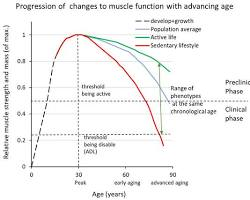
📌 By your 40s, your muscles are already shrinking – even if you don’t notice it yet.
Verdict: ✓ Muscle loss begins in midlife (around 40) and speeds up after 60. [
💪 2. The Hidden Threat of Sarcopenia (Muscle Mass Erosion)
Perhaps the most significant, yet completely invisible, driver of midlife metabolic decline is a condition known as sarcopenia. Starting roughly around age 30, the human body initiates a natural, involuntary reduction in total skeletal muscle mass, a process that accelerates significantly after age 40. Left unmanaged by specific resistance protocols, an individual can lose anywhere from 3% to 5% of their pure muscle tissue every subsequent decade.
To understand why this destroys fat loss efforts, we must look at the intense metabolic cost of maintaining muscle versus fat tissue. Skeletal muscle is highly demanding, biologically active tissue. Every single pound of muscle on your frame requires continuous energy delivery just to exist, burning calories around the clock. In contrast, adipose tissue (body fat) is relatively dormant, requiring very little metabolic upkeep.
+--------------------------------------------------------+
|                 THE REVENUE METABOLIC SCALE             |
+--------------------------------------------------------+
| 1 lb of Skeletal Muscle  ===> Continual Energy Burn    |
| 1 lb of Adipose (Fat)    ===> Minimal Upkeep Required  |
+--------------------------------------------------------+
When you experience unmitigated sarcopenia, your body is effectively replacing highly active engine parts with passive storage units. The scale weight might stay exactly the same for months, masking the underlying damage, but your underlying body composition is silently shifting.
With less active muscle tissue available to absorb glucose and utilize free fatty acids, your overall daily calorie-burning capacity drops dramatically. This is precisely why standard calorie restriction alone fails miserably after 40: if you reduce your food intake without actively protecting your muscle tissue, your body will happily burn away even more muscle for fuel, further degrading your metabolic health.
🧠 3. Hormonal Cascades and the Shift in Fat Architecture
Hormones act as the primary chemical software directing how your body distributes, stores, and burns energy. After age 40, both men and women experience clear shifts in their hormonal landscapes that directly alter where fat is deposited and how tightly the body holds onto it.
The Insulin Efficiency Decline
With age, peripheral tissue sensitivity to insulin—the primary hormone responsible for clearing glucose from your bloodstream—gradually diminishes. When insulin sensitivity drops, your pancreas is forced to secrete higher amounts of the hormone to clear the exact same amount of dietary carbohydrates. Because elevated circulating insulin levels signal the body to remain in an energetic storage state, it becomes significantly harder to access stored body fat for fuel, causing typical energy crashes and intense cravings shortly after eating.
The Cortisol and Stress Vector
By the time most people reach their 40s, life complexity is often at an all-time high, combining career responsibilities, family care, and sleep disruption. This environment keeps the adrenal glands producing a low, continuous stream of cortisol, the body’s primary stress hormone. Chronic cortisol elevation acts as a direct signal for the body to protect its deep energy reserves, specifically driving fat deposition into the deep visceral layers surrounding your internal organs. This creates the classic, rigid abdominal fat accumulation that resists traditional dieting methods.
🪑 4. The Invisible Reduction in Spontaneous Movement (NEAT)
When attempting to optimize fat loss, most individuals place their entire focus on structured exercise sessions, such as a 45-minute jog or an aerobics class. However, from a clinical perspective, the vast majority of your daily energy expenditure comes from Non-Exercise Activity Thermogenesis (NEAT). This includes every single movement you make outside of intentional sport: pacing while on a phone call, fidgeting at your desk, climbing a short flight of stairs, or maintaining your posture against gravity.
TOTAL DAILY ENERGY SPENT:
[=========== NEAT (Daily Movement & Fidgeting) ===========] [== Exercise ==]
                                 ^
                 The actual key to sustainable fat loss
As we cross into our 40s, our routines naturally lean toward stabilization and comfort. We tend to sit for longer stretches without moving, optimize our environments to minimize physical tasks, and experience an subconscious reduction in spontaneous fidgeting and pacing.
This decline in NEAT is incredibly subtle and almost impossible to track without conscious effort. You might go to the gym for 45 minutes in the morning, feeling highly active, but then remain completely sedentary for the remaining 15 hours of the day. This sedentary compensation can easily cut 300 to 500 calories out of your total daily energy output, completely erasing the caloric deficit you thought you created during your morning workout.
🥗 5. The Nutritional Realignment: Quality Over Pure Volume
In our twenties and thirties, the body possesses a robust metabolic buffer that can tolerate low-quality, highly processed nutritional inputs. If you overindulged on processed carbohydrates or industrial seed oils, a highly active thyroid and extensive muscle mass could clear the excess nutrients relatively fast. After 40, that forgiving metabolic margin completely disappears.
Because your baseline calorie requirements are lower, every single meal you consume must deliver a higher ratio of micronutrients and essential proteins relative to its total energy footprint. Processed foods designed with a high combination of fats and refined sugars trigger a volatile blood glucose spike. Given our reduced insulin sensitivity after 40, these spikes trigger rapid fat storage while leaving your brain starved of immediate energy, creating a vicious cycle of persistent hunger and metabolic sluggishness.
📊 The Midlife Body Composition Reference Matrix
To accurately gauge how your body is processing nutrients and managing its structural health, review this clinical evaluation framework:
| Physiological Marker | 20-30 Baseline Status | Post-40 Structural Shift | Targeted Corrective Intervention |
| Insulin Sensitivity | Highly reactive; rapid clearance of systemic glucose into muscle tissues. | Gradual reduction; tendency to hold blood sugar higher for longer durations. | Prioritize fibrous vegetables and lean proteins before complex carbohydrates. |
| Skeletal Muscle Preservation | Maintained effortlessly via standard daily activities and youth hormones. | Spontaneous, age-related tissue loss (Sarcopenia) if unmanaged. | Progressive resistance training at least 3 times weekly. |
| Visceral Fat Deposition Trend | Distributed evenly across subcutaneous layers throughout the body. | Increased risk of deep abdominal storage due to elevated cortisol signals. | Strict optimization of sleep architecture and daily stress management. |
| Baseline Cellular Energy Output | High mitochondrial density; rapid conversion of calories to active ATP energy. | Minor, gradual reduction in mitochondrial output and resting metabolic rate. | Increase daily step count (NEAT) to keep baseline circulation high. |
🔥 The Clinical Protocol: What Actually Works After 40
To unlock consistent, sustainable fat loss after 40, you must drop the outdated mindset of starvation and extreme exhaustion. Instead, focus entirely on this four-pillar physiological realignment strategy.
🏋️ 1. Elevate Progressive Resistance Training as Your Primary Tool
If you want to protect your metabolism, you must stop prioritizing endless hours of steady-state cardio as your main tool for weight management. Running on a treadmill burns calories only while you are on the machine, and does absolutely nothing to stop age-related muscle loss.
You must transition your focus to progressive resistance training using free weights, resistance bands, or dedicated bodyweight movements. By challenging your muscles against an external load at least three times a week, you send a powerful, non-negotiable biological signal to your nervous system to preserve and rebuild muscle tissue.
This structural change fundamentally fixes the root cause of your slowing metabolism, keeping your body burning calories efficiently even when you are completely at rest.
🚶 2. Actively Track and Maximize Your Daily NEAT Baseline
Do not let a single workout mask a sedentary lifestyle. The most effective way to ramp up your daily energy burn without overtaxing your recovery systems is to set a firm non-negotiable baseline for daily movement.
Aim for a consistent daily targets like 8,000 to 10,000 steps. Break up long, continuous blocks of sitting by setting a simple timer: for every 60 minutes spent working at a desk, stand up and move around for 5 full minutes.
These small additions to your daily movement do not trigger the intense spikes in hunger that follow extreme cardio sessions, allowing you to create a smooth, manageable calorie deficit with zero extra stress.
HOURLY RESET ROUTINE:
[ 60 Minutes Focused Desk Work ] ===> [ 5 Minutes Active Movement / Pacing ]
🥗 3. Prioritize Protein and Fiber Anchoring
To manage reduced insulin sensitivity and maintain lean muscle tissue, every meal you eat should be anchored by a high-quality source of lean protein along with dense dietary fiber. Protein possesses the highest thermic effect of any macronutrient, meaning your body burns a significant portion of its calories simply breaking it down through digestion.
Furthermore, protein triggers the release of long-term satiety hormones, keeping you full for hours. Pairing this protein with whole food fiber—such as leafy greens, cruciferous vegetables, and complex lentils—slows down the absorption of glucose into your bloodstream, avoiding dramatic insulin spikes and ensuring steady energy levels throughout the afternoon.
😴 4. Optimize Sleep Architecture and Adrenal Recovery
You can have a perfect diet and an intense workout routine, but if you are consistently sleeping less than seven hours a night, your fat loss efforts will stall out completely. Poor sleep quality causes an immediate surge in your baseline cortisol levels while simultaneously disrupting ghrelin and leptin, the core hormones that govern your hunger and fullness signals.
When you are chronically exhausted, your brain naturally craves quick, dense energy sources like simple sugars and processed carbohydrates, making dietary compliance nearly impossible. Protect your sleep environment by eliminating blue light exposure an hour before bed, maintaining a cool room temperature, and avoiding heavy meals late in the evening.
Also Read more article on : https://www.fitbodysync.com/protein-intake-1-6g-per-kg/
5 OMAD Benefits for Beginners | Support Weight Management & Belly Toning (2026)
7 Simple Ways for Women 30+ to Tone Belly & Improve Core Strength (2026 Guide)
5-Step Full-Body Workout for Beginners | Easy Home Routine
Frequently Asked Questions
Q: I am eating less than 1,200 calories a day and doing cardio, but the scale isn’t moving. Why?
A: In my years working in clinical and public health setups, this was the most heartbreaking pattern I saw. When you drastically starve your system and abuse cardio, your body treats it as a survival crisis. It actively burns away your remaining muscle tissue to drop its energy requirements, destroying your baseline metabolism. To break this plateau, you must shift your focus from starvation to metabolic repair: track your daily movement (NEAT) to keep circulation high, and start lifting weights to signal your body to rebuild its caloric engine.
Q: Can I target and lose just the stubborn abdominal fat that accumulated after 40?
A: Spot reduction is a biological myth. Your genetics and age-driven hormonal shifts determine where fat is stored first and lost last. After 40, elevated cortisol levels specifically drive fat storage toward your deep visceral abdominal walls. The only way to clear it is through systemic fat loss: anchoring your blood sugar with clean protein, minimizing high-glycemic processed inputs, and optimizing your sleep to naturally lower your body’s stress signals.
Q: Is it safe to start heavy strength training at 40 or 50 if I have never lifted weights before?
A: Not only is it safe, it is a clinical necessity to prevent advanced sarcopenia. You do not need to walk into a gym and lift extreme weights immediately. Start with fundamental bodyweight mechanics—such as wall squats, incline push-ups, and simple resistance band rows. The goal is progressive resistance; by slowly increasing the challenge on your muscles over time, you safely rebuild your bone density and metabolic baseline without overtaxing your joints.
🧠 Final Thoughts
Sustaining a lean, vital, and highly functional physique after the age of 40 is entirely achievable. The biological changes that occur during this decade are not an insurmountable barrier; they are simply a call for a smarter, more targeted strategy.
When you stop treating your body like an adversary and start supporting your muscle mass, protecting your hormonal health, and respecting your recovery systems, your physiology will respond exactly the way you want it to. Shift your approach from pure restriction to intelligent adaptation, and watch your progress become completely sustainable for the long haul.
⚠️ Disclaimer
The information provided in this article is for general educational and informational purposes only. It is not intended as medical advice, diagnosis, or treatment.
Always consult a qualified healthcare professional, doctor, or certified fitness expert before making any major changes to your diet, exercise routine, or health practices — especially if you have existing medical conditions, injuries, or are taking medication.
Individual results may vary depending on age, health status, genetics, and lifestyle factors.
📚 References
This article is based on general findings and widely accepted concepts in exercise science, nutrition, and aging research, including:
- https://www.nia.nih.gov/health/exercise-physical-activity
(National Institute on Aging – Exercise & aging guidelines) - https://www.cdc.gov/physicalactivity/basics/aging/index.htm
(CDC – Physical activity recommendations for older adults) - https://www.acsm.org/education-resources/trending-topics-resources/aging-exercise
(American College of Sports Medicine – Aging & exercise science) - https://www.health.harvard.edu/staying-healthy
(Harvard Health – Healthy aging and metabolism insights) - https://www.who.int/news-room/fact-sheets/detail/physical-activity
(World Health Organization – Physical activity guidelines)
Next Step: Find Your Metabolic Bottleneck
Are you a Stalled Optimizer or a Metabolic Warrior? Stop guessing and start signaling.
To find out which of your 4 biological pillars is stalling your progress, take our 2-minute diagnostic:
Take the 2026 Bio-Recovery AuditDiscover your score across the 4 Pillars of Performance: Engine, Armor, Cleanup, and Repair.