

When people map out their path to physical improvement, their attention almost always flies straight to the workouts. They focus heavily on tracking training plans, adjusting exercise intensity, and counting the weekly hours spent inside a commercial gym.
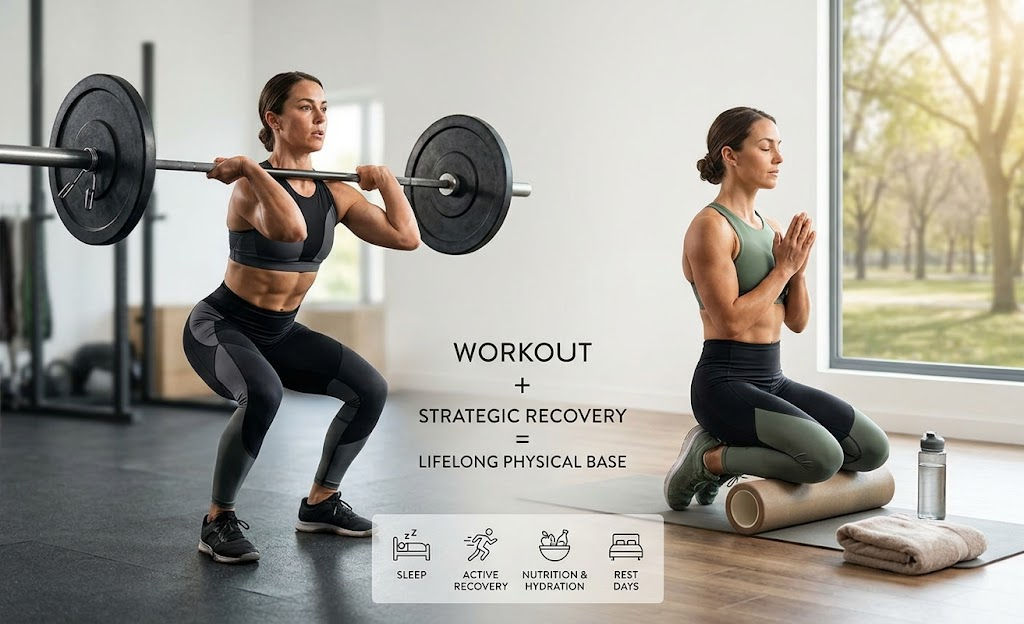
However, physical progress does not actually happen during your training session. Exercise serves as a controlled stressor that temporarily depletes your systems; your actual improvement takes place during the critical windows that follow. Recovery plays a truly vital role in helping your body adapt to physical activity, rebuild structural tissues, and prepare safely for future movement.
┌────────────────────────────────────────────────────────────────────────┐
│                        THE COMPLETE PROGRESS EQUATION                  │
├───────────────────────────────┬────────────────────────────────────────┤
│ ❌ THE INCOMPLETE VIEW        │ Training + More Training ──► Systemic   │
│                               │ Exhaustion & Performance Plateaus      │
├───────────────────────────────┼────────────────────────────────────────┤
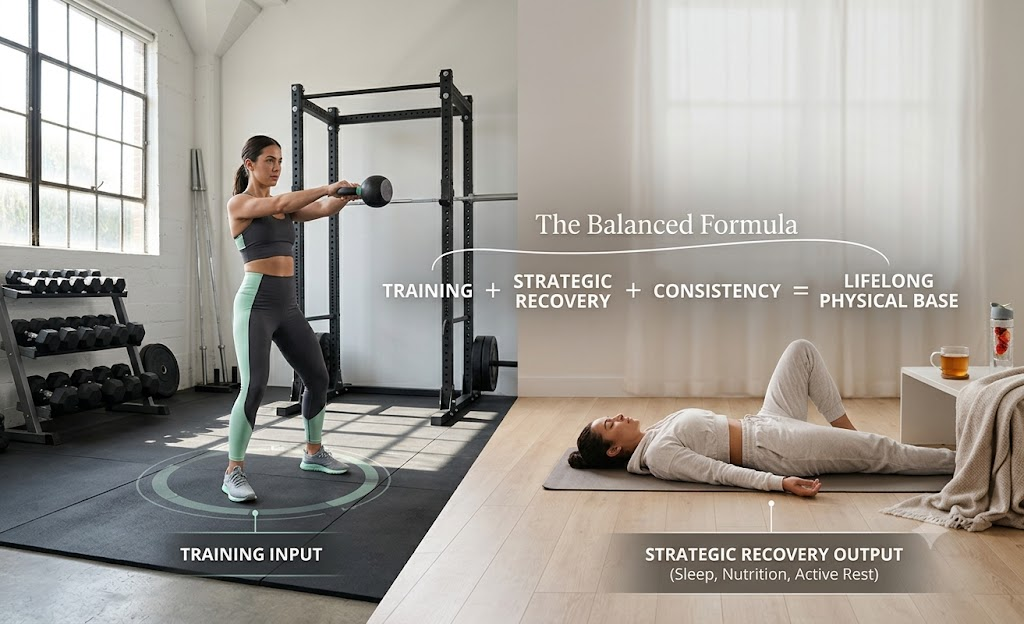
│ 🛡️ THE BALANCED FORMULA       │ Training + Strategic Recovery +        │
│                               │ Consistency ──► Lifelong Physical Base │
└───────────────────────────────┴────────────────────────────────────────┘
Shifting your perspective allows you to view rest not as a sign of laziness, but as an active, mandatory component of your training program. By treating recovery as a core pillar of your physical strategy, you protect your structural longevity, clear out persistent fatigue, and build a resilient body that consistently progresses over time.
What Does Recovery Actually Mean?
To maximize your results, it helps to clear up what recovery looks like in practice. Far from being a passive period of simply doing nothing, recovery is an active, multi-layered biological process where your physical and mental systems repair damage, replenish vital energy stores, and return to a state of baseline equilibrium.
True recovery can be broken down into three distinct, interconnected layers that operate simultaneously:
- Physical Tissue Repair: Splicing together microscopic tears in skeletal muscle fibers, down-regulating localized tissue inflammation, and circulating joint lubricant to protect cartilage.
- Central Nervous System (CNS) Reset: Transitioning your brain and spinal cord out of a highly alert, sympathetic “fight or flight” status and back into a calm, parasympathetic “rest and digest” state.
- Metabolic Energy Replenishment: Restocking depleted glycogen reserves inside your liver and skeletal muscles so your cells possess readily available fuel for your next session.
By viewing recovery through this comprehensive lens, you can easily understand that missing a rest window doesn’t just leave your muscles feeling a little sore—it temporarily holds back your entire biological network.
Why Exercise Creates Systemic Stress
To fully appreciate why your body cries out for regular rest, it helps to understand the underlying science of exercise stress. Human biological systems are hardwired to maintain a state of internal balance known as homeostasis.
Exercise Stimulus (Micro-Damage) ──► Homeostatic Disruption ──► Strategic Recovery Window ──► Adaptive Supercompensation
When you perform any form of physical exercise—whether you are lifting heavy weights, running on pavement, or practicing a sport—you are intentionally disrupting that delicate internal balance. Your muscle tissues experience micro-tears, your energy stores are drawn down, and your nervous system experiences a high volume of electrical activity.
Once your session concludes, your body recognizes this disruption and initiates a process called supercompensation. Your biological systems do not simply return to their previous baseline; they rebuild themselves to be slightly stronger, more resilient, and better prepared to handle that exact same physical stress in the future. However, this intelligent adaptive process can only occur if you grant your body the necessary time and resources to complete its repair work.
A Public Health Perspective on Recovery
Through my background in laboratory science and public health, I have often noticed that discussions about fitness frequently emphasize exercise volume while giving less attention to recovery. Yet long-term consistency often depends on finding a balance between physical activity and adequate recovery habits.
In public health tracking, we repeatedly observe that when fitness programs emphasize continuous, extreme output without matching rest protocols, adherence rates drop sharply. People do not stop exercising due to a lack of willpower; they stop because their bodies encounter systemic exhaustion, overuse injuries, or mental burnout.
  Volume-Only Emphasis ──► Systemic Friction ──► Physical Injury ──► Total Program Abandonment
  Balanced Recovery Focus ──► Joint Ease ──► Long-Term Continuity ──► Sustainable Health Metrics
From a biological standpoint, managing systemic friction is the absolute secret to lifelong health. When you actively build strategic rest into your lifestyle, you are protecting your joints and nervous system, ensuring you can maintain a vibrant, active lifestyle across your entire lifespan.
The Key Foundations of Why Recovery Matters
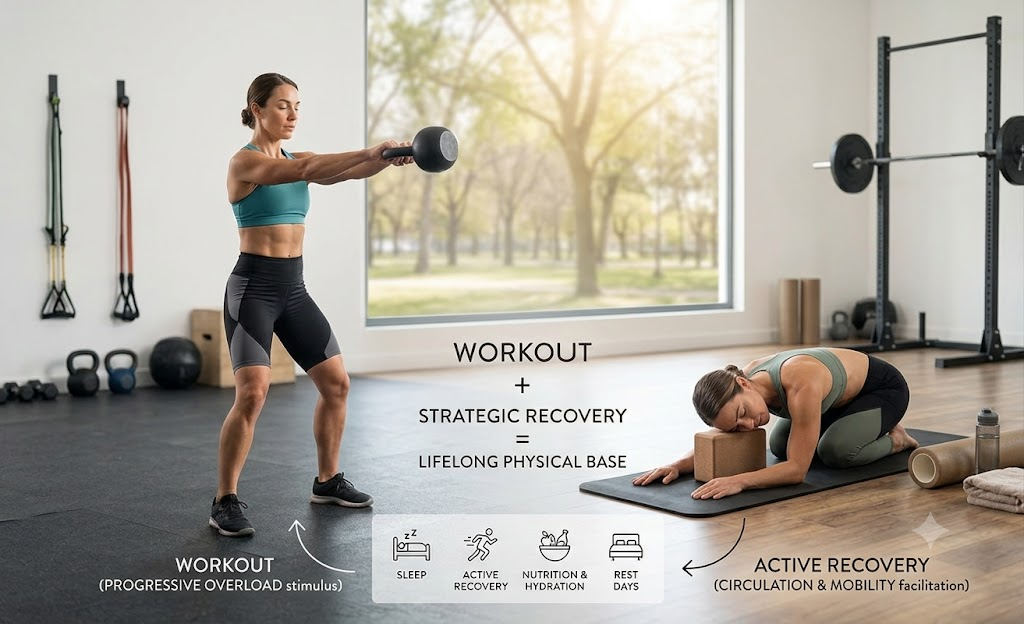
Prioritizing your recovery windows delivers a massive array of structural and systemic benefits that directly optimize your physical performance:
Core Pillars of the Recovery Process
| The Recovery Variable | The Biological Mechanics | The Long-Term Practical Outcome |
| Supports Systemic Adaptation | • Allows muscle fibers to repair completely and grow resilient. | • Smooth, continuous progress in strength and endurance baselines. |
| Maintains Long-Term Consistency | • Prevents early central nervous system burnout and physical strain. | • Eliminates extended training breaks caused by injury or exhaustion. |
| Clears Out Excessive Fatigue | • Restores proper hormonal balances and flushes out metabolic waste. | • High daily focus, structural joint ease, and stable sleep cycles. |
| Encourages Sustainable Habits | • Transforms physical movement into an enjoyable lifestyle element. | • Helps you build a positive, lifelong relationship with fitness. |
Signs Your Recovery Is Being Overlooked
Your body acts as an intelligent alarm system, providing clear indicators when your training output is out-pacing your recovery habits. Pay close attention if you notice these recurring signs:
                  ┌──────────────────────────────────────────────┐
                  │         THE OVERTRAINING ALARM PANEL         │
                  └──────────────────────┬───────────────────────┘
                                         │
     ┌───────────────────┬───────────────┴───┬───────────────────┐
     ▼                   ▼                   ▼                   ▼
┌──────────────┐   ┌──────────────┐   ┌──────────────┐   ┌──────────────┐
│ PERSISTENT   │   │ MOTIVATION   │   │ PERFORMANCE  │   │ DISRUPTED    │
│ SORENESS     │   │ PLUMMETS     │   │ PLATEAUS     │   │ SLEEP PATTERNS│
│ Muscular aches   │ Your natural  │ Exercises    │ You find it  │
│ that persist     │ drive to move│ feel heavier │ difficult to │
│ beyond a 72-hour │ feels completely│ and slower than│ drift off or │
│ training window  │ wiped away   │ normal days  │ stay asleep   │
└──────────────┘   └──────────────┘   └──────────────┘   └──────────────┘
When these symptoms appear together, it is a strong biological signal that you need to take a step back and adjust your schedule. To explore how to evaluate these specific warning signs and determine exactly when your tissues are crying out for a break, review FitBodySync’s Essential Guide to the 7 Signs Your Body Needs More Recovery.
The Five Main Types of Recovery
True recovery requires a comprehensive approach. To build a highly resilient body, aim to integrate these five distinct types of recovery into your regular routine:
1. Sleep Recovery (The Ultimate Foundation)
Deep, uninterrupted sleep is the absolute master key to physical repair. During stages 3 and 4 of slow-wave sleep, your brain triggers a massive release of natural growth factors, accelerates protein synthesis, and unloads your nervous system, making 7 to 8 hours of quality sleep completely non-negotiable.
2. Active Recovery (Low-Fatigue Movement)
Active recovery involves engaging in very low-intensity physical activity that stimulates blood circulation without adding mechanical stress to your muscles. Taking an easy, conversational walk or completing a relaxed mobility session flushes fresh oxygen and nutrients through your tissues, clearing out lingering stiffness much faster than complete stillness.
To understand how to easily structure these low-stress movement sessions between your high-intensity workouts to accelerate your physical rejuvenation, explore FitBodySync’s Comprehensive Blueprint on the Science of Active Recovery.
3. Nutrition and Hydration
Your body requires raw materials to patch up micro-damage and restore energy reserves. Consuming sufficient dietary protein provides the essential amino acids needed for structural tissue repair, while drinking ample water keeps your cells hydrated and ensures efficient nutrient delivery across your entire system.
4. Dedicated Rest Days
A true rest day involves a complete break from structured, high-stress exercise. These dedicated windows give your tendons, ligaments, and joints a vital chance to unload, protecting you from repetitive stress injuries and keeping your body feeling fresh.
5. Everyday Stress Management
High levels of non-fitness stress—such as professional deadlines, financial worries, or family demands—elevate your body’s baseline cortisol levels. Because your nervous system struggles to differentiate between gym stress and life stress, practicing basic relaxation techniques is essential to keep your recovery pathways open.
Common Recovery Mistakes to Avoid
To keep your physical progress moving forward smoothly, stay clear of these highly common recovery traps:
- Believing “More” Is Always Better: Assuming that adding extra workouts or skipping rest days will automatically deliver faster results. In reality, progress stops completely when your body runs out of recovery resources.
- Treating Sleep as an Afterthought: Sacrificing your nightly rest to catch up on work or entertainment, which directly deprives your muscles and brain of their primary repair window.
- Pushing for Maximum Intensity Every Session: Treating every single workout as an exhausting test of survival. To learn how to balance your hard training days with moderate, sustainable efforts, check out FitBodySync’s Guide to Training Frequency vs. Training Intensity.
- Treating Recovery as Completely Optional: Viewing rest as a luxury meant only for elite competitive athletes, rather than a fundamental requirement for anyone who moves regularly.
Recovery vs. Rest: What’s the Difference?
While many fitness discussions use these two terms interchangeably, they actually represent completely different elements of physical development:
Variable Comparison
| Feature | Active Recovery | Passive Rest |
| Core Definition | • A broad, proactive concept encompassing sleep, nutrition, hydration, and light activity. | • A specific recovery tool focused on complete physical stillness and inactivity. |
| Primary Method | • Active protocols like micro-walks, tissue massage, stretching, and proper food tracking. | • Sitting comfortably on a couch, sleeping, or lying down. |
| Systemic Impact | • Actively stimulates circulation to deliver nutrients and accelerate tissue repair. | • Drops your heart rate to baseline and unloads joint pressure. |
Both tools are highly effective when used correctly. A smart routine uses passive rest to handle immediate physical exhaustion, while employing active recovery to clear out residual muscle stiffness and maintain healthy circulation.
How Recovery Supports Different Fitness Goals
No matter what you are working toward, building proper rest into your schedule is essential for achieving your specific fitness goals:
  [ Strength Training Path ]   ──► Rebuilds Skeletal Muscle Fibers Bigger and Stronger
  [ Endurance Running Path ]   ──► Restores Cellular Mitochondria and Glycogen Stores
  [ Functional Longevity Path ] ──► Lubricates Joint Cartilage and Prevents Overuse Strain
- Strength and Resistance Training: Lifting weights creates microscopic tears in your muscle fibers. Your body patches these tears using dietary amino acids during your rest hours, returning your muscles slightly thicker and stronger. To maximize this adaptive response without overcomplicating your routine, read FitBodySync’s Fundamental Guide to Progressive Overload Made Simple.
- Endurance and Cardio Training: Long-distance running or cycling draws heavily on your cellular energy pathways. Strategic rest periods give your cells the time they need to build more mitochondria and restock glycogen reserves, boosting your stamina for your next long session.
- General Fitness and Well-Being: Balancing your activity with regular rest keeps your morning energy levels stable, keeps your mood balanced, and ensures that staying active remains an enjoyable part of your lifestyle.
- Functional Longevity and Healthy Aging: As your body moves through its natural lifespan, your tendons and ligaments naturally take a little longer to repair. Giving your structure ample time to rest keeps your joints moving smoothly and guards against repetitive strain.
Practical Ways to Build Recovery Into Your Schedule
Integrating high-quality recovery into your busy weekly calendar is simple and straightforward when you follow these practical strategies:
                  ┌──────────────────────────────────────────────┐
                  │         THE SMART RECOVERY FRAMEWORK         │
                  └──────────────────────┬───────────────────────┘
                                         │
     ┌───────────────────┬───────────────┴───┬───────────────────┐
     ▼                   ▼                   ▼                   ▼
┌──────────────┐   ┌──────────────┐   ┌──────────────┐   ┌──────────────┐
│ SCHEDULE     │   │ CONSTRUCT A  │   │ EMBRACE THE  │   │ TRACK YOUR   │
│ REST DAYS    │   │ SLEEP RITUAL │   │ 10-MIN WALK  │   │ TOTAL VOLUME │
│ Mark 2 days  │   │ Keep your    │   │ Take an easy │   │ Keep a clear │
│ on your weekly│   │ bedroom dark │   │ stroll after │   │ log of your  │
│ calendar as  │   │ and quiet to │   │ large meals  │   │ workout sets │
│ dedicated rest│   │ support sleep│   │ to clear fog │   │ and weights  │
└──────────────┘   └──────────────┘   └──────────────┘   └──────────────┘
- Schedule Your Rest Days in Advance: Treat your rest days with the exact same respect you give your hardest workouts. Block out at least two days on your weekly calendar dedicated to recovery, ensuring you don’t tempt yourself to sneak in an extra intense session.
- Construct a Calming Sleep Ritual: Turn off your television, computer, and smartphone screens at least 45 minutes before heading to bed. Keep your sleeping space dark, cool, and quiet to help your brain drift into deep, high-quality sleep.
- Embrace the Easy 10-Minute Walk: Transform your lunch break or post-meal time into a brief active recovery window. A relaxed, low-intensity stroll is a fantastic way to stretch your legs, clear out mental fog, and support systemic circulation.
- Keep an Eye on Your Total Volume: Maintain a basic log of your weekly exercises, sets, and weights. If you notice your strength dipping or your joints feeling consistently achy over a two-week period, use your log to guide a smart reduction in training volume.

Myth vs. Reality
Myth: Taking regular rest days will cause you to lose your fitness progress and fall behind.
Reality: Your body requires rest to express its true capabilities. A well-timed rest day allows your muscles to rebuild completely, ensuring you can return to your next workout with maximum power, sharp focus, and renewed energy.
Myth: You only need to focus on recovery if your body is feeling profoundly sore.
Reality: Localized muscle soreness is just one indicator of physical fatigue. Your nervous system, endocrine pathways, and joint cartilage experience stress long before your muscles start to ache, making proactive recovery essential even when you feel fine.
Frequently Asked Questions (FAQ)
1. Why is recovery considered an essential part of a fitness routine?
Exercise acts as a controlled stressor that disrupts balance and causes micro-damage to tissues. Recovery is the vital window where your body repairs this structural damage, restocks energy reserves, and builds your systems back stronger.
2. How many rest days do I realistically need each week?
For the vast majority of active adults, scheduling 2 to 3 dedicated rest or active recovery days per week provides an ideal balance. This structure ensures your body can fully adapt to your workouts without compromising consistency.
3. What is the difference between active recovery and passive rest?
Active recovery involves engaging in low-intensity movement—like casual walking or light stretching—to stimulate circulation and accelerate muscle repair. Passive rest focuses on complete physical stillness, such as sleeping or reclining, to drop your heart rate and ease joint pressure.
4. How does poor sleep directly affect physical progress?
A lack of quality sleep impairs protein synthesis, disrupts hormone regulation, and slows central nervous system repair. This leads to persistent muscle soreness, decreased exercise performance, and a higher risk of training injuries.
5. Can working out too much actually hold back my progress?
Absolutely. When your weekly training volume exceeds your body’s ability to recover, you enter a state of chronic exhaustion. This stalls your performance progress, increases your risk of joint injuries, and can lead to mental burnout.
Conclusion
Recovery is often overshadowed by flashy workout routines, yet it remains the true foundation of any successful fitness journey. Exercise provides the necessary stimulus for physical improvement, but recovery is the window where your body actually adapts, strengthens, and prepares for future movement.
Stepping away from the outdated mindset that fitness is driven entirely by exhaustion allows you to cultivate a sustainable, supportive relationship with your health. Prioritizing quality sleep, integrating active recovery walks, and respecting your scheduled rest days does far more than just reduce muscle soreness. It actively protects your joints, clears out central nervous system fatigue, and builds a rock-solid foundation for long-term health.
By treating recovery with the exact same focus and dedication you bring to your workouts, you ensure your body remains strong, pain-free, and thoroughly prepared to enjoy a lifetime of active living.
Disclaimer: The information provided in this article is for educational and informational purposes only and is not intended as medical or professional health advice. Always consult with a qualified healthcare professional or sports medicine specialist before adjusting your training volume, sleep protocols, or structural recovery habits, especially if you are managing chronic fatigue or persistent joint pain.
References
- American College of Sports Medicine (ACSM): Guidelines for Determining Exercise Volume, Intensity, and Mandatory Systemic Recovery Periods
- National Strength and Conditioning Association (NSCA): The Role of Regeneration, Sleep Protocols, and Rest Cycles in Functional Athletic Performance
- Centers for Disease Control and Prevention (CDC): Adult Sleep Standards, Circadian Rhythm Support, and Total Body Health Restoration
- Sports Medicine Journal: Systematic Analysis of Active Recovery Strategies versus Passive Rest Protocols on Muscle Damage Clearance
Next Step: Find Your Metabolic Bottleneck
Are you a Stalled Optimizer or a Metabolic Warrior? Stop guessing and start signaling.
To find out which of your 4 biological pillars is stalling your progress, take our 2-minute diagnostic:
Take the 2026 Bio-Recovery AuditDiscover your score across the 4 Pillars of Performance: Engine, Armor, Cleanup, and Repair.