

Many people spend hours sitting each day, whether at an office desk, inside a commuter vehicle, or in front of a digital screen at home. While scheduling structured exercise sessions is incredibly valuable, a single workout often represents only a tiny fraction of a person’s entire day.
The remaining hours are frequently characterized by complete physical stillness. Intentionally incorporating consistent movement throughout your normal routine can help balance the structural effects of prolonged sitting and naturally support a much more active, vibrant lifestyle.
┌────────────────────────────────────────────────────────────────────────┐
│                        THE MODERN ACTIVE-COUCH POTATO TRAP             │
├───────────────────────────────┬────────────────────────────────────────┤
│ 👤 THE ISOLATED WORKOUT VIEW  │ 1 Hour Gym Session ──► 11 Hours of     │
│                               │ Continuous Sitting ──► Structural Stiff│
├───────────────────────────────┼────────────────────────────────────────┤
│ 🛡️ THE CONSISTENT MOVEMENT PATH│ 1 Hour Gym Session + Hourly Micro-Walks│
│                               │ ──► Sustained Circulation & Joint Ease │
└───────────────────────────────┴────────────────────────────────────────┘
Shifting our focus away from the idea that fitness only happens inside a commercial gym allows us to discover the compounding power of non-exercise activity. By treating movement as a continuous thread throughout our day rather than a single checklist item, we can preserve our joint mechanics, optimize our metabolic vitality, and build a resilient body that handles daily life with absolute ease.
What Is a Sedentary Lifestyle?
To understand how to counter a lack of daily movement, it helps to clear up what a sedentary lifestyle actually looks like. In plain terms, a sedentary lifestyle is a behavioral pattern characterized by spending long, uninterrupted periods sitting, reclining, or lying down while expending very little physical energy.
This does not mean a person is completely lazy or unmotivated. In fact, many individuals who lead sedentary lives are incredibly hardworking professionals, dedicated students, or busy remote workers who spend vast amounts of mental energy processing information.
However, from a purely physiological standpoint, their skeletal muscles are remaining completely inactive for hours at a time. This continuous physical stillness signals the body to slow down its biological processes, gradually leading to joint stiffness, reduced systemic circulation, and a lower overall metabolic baseline.

Why Sitting Has Become So Common
Widespread physical stillness isn’t a reflection of a sudden loss of human willpower; it is the direct byproduct of how modern society, professional environments, and everyday technology have evolved over time.
                    ┌───────────────────────────────┐
                    │  THE INACTIVITY ACCELERATORS  │
                    └───────────────┬───────────────┘
                                    ▼
         ┌──────────────────────────┼──────────────────────────┐
         ▼                          ▼                          ▼
┌─────────────────┐        ┌─────────────────┐        ┌─────────────────┐
│ DIGITAL SHIFTS  │        │ COGNITIVE ROLES │        │ AUTOMATED LIVING│
│ Entertainment   │        │ Desk-bound tasks│        │ Home deliveries │
│ streams directly│        │ dominate the    │        │ minimize basic  │
│ to smartphones  │        │ job market      │        │ household steps │
└─────────────────┘        └─────────────────┘        └─────────────────┘
- The Rise of Remote Work: Shifting from traditional offices to home workspaces has completely eliminated the natural physical activity built into commuting—such as walking across parking lots, navigating transit stations, or moving between meeting rooms.
- Desk-Bound Careers: The vast majority of modern careers require individuals to operate computers, manage databases, or handle administrative tasks while seated in an office chair for eight to ten hours straight.
- Digital Entertainment & Streaming: The convenience of modern smartphones, television streaming services, and video games means that our primary ways to relax and unwind after a long day involve remaining completely stationary.
- Convenience-Based Lifestyles: Everyday automated conveniences—like grocery delivery applications, drive-through lanes, and automated household tools—have removed the low-grade physical effort that used to be a natural part of running a home.
A Public Health Observation on Daily Activity
Through my background in laboratory science and public health, I have often noticed that people tend to focus primarily on dedicated exercise sessions while overlooking the importance of movement throughout the rest of the day.
We see an immense public emphasis on tracking workout metrics, hitting high heart rates, and completing intense fitness classes. Yet, health data reveals a unique phenomenon: even individuals who exercise regularly may still spend many hours sitting, making everyday consistent movement an incredibly important part of a truly active lifestyle.
[ Focus on Isolated Exercise Only ] ──► Systemic Stiffness Between Gym Sessions
[ Integrating Continuous Movement ] ──► Sustained Biological Vitality & Joint Flex
Public health research shows that the physical stillness of prolonged sitting can still exert a negative influence on your body’s structural mechanics and fluid circulation, even if you run on a treadmill for 45 minutes in the morning.
Real public health utility comes from encouraging people to accumulate light, accessible movement throughout their entire day, ensuring that human bodies remain mobile, responsive, and structurally supported across their whole lifespan.
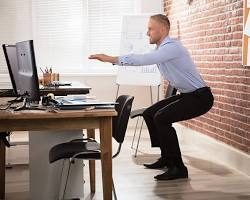
Why Consistent Movement Matters
Before looking at specific strategies, it is essential to understand the biological philosophy of human movement patterns. Your body is fundamentally designed to move frequently. Every bone, joint, skeletal muscle, and blood vessel inside you thrives on regular physical interaction with your environment.
When you remain seated for several hours without a break, your large lower-body muscles completely relax, your deep core muscles switch off, and your postural alignment naturally collapses forward.
  Prolonged Physical Stillness ──► Skeletal Muscle Deactivation ──► Stagnant Fluid Flow
  Consistent Micro-Movement  ──► Intermittent Muscle Activation ──► Efficient Nutrient Exchange
Consistent micro-movement acts as a gentle, recurring reset button for your entire system. By introducing short, frequent blocks of light activity, you prevent your body from settling into a stagnant state.
This continuous engagement supports your base physical function and makes your daily health sustainable, ensuring that your tissues remain supple and highly receptive to the demands of everyday life.
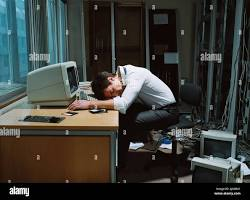
Benefit #1: Breaks Up Long Periods of Sitting
The most immediate value of consistent daily movement is that it disrupts the compounding physical strain caused by prolonged sitting. When you sit for hours, gravity places continuous, unyielding pressure on your lower back, tailbone, and hamstrings.
┌──────────────────────────────────────────────────────────────────────────┐
│ THE SITTING DISRUPTION TIMELINE                                          │
│ • 0 to 60 Minutes: Posterior tissues compress, pelvic alignment locks   │
│ • The 2-Minute Reset: Stand up, extend the hips, circle the arms         │
│ • The Biological Result: Restores fluid circulation, unloads joint stress│
└──────────────────────────────────────────────────────────────────────────┘
Taking a quick break to stand up, pace around your room, or perform a light stretch completely unloads that mechanical stress. It instantly shifts your skeletal alignment, allowing fresh joint fluid to circulate through your cartilage and preventing your hip flexors from locking into a permanently shortened, tight position.
Benefit #2: Supports Continuous Mobility
Your joints operate on a strict biological rule: use it or lose it. To maintain a comfortable range of motion, your joints rely on the regular production of synovial fluid, which acts as a natural lubricant to keep your movements smooth and pain-free.
Because joints do not have a direct blood supply, they depend entirely on mechanical movement to pump this vital lubricant through their tissues. Consistent, gentle movement throughout your day ensures that your knees, hips, shoulders, and spine receive a steady supply of fluid, directly preserving your flexibility and reducing everyday physical discomfort.
To discover how building baseline muscular support can work alongside mobility habits to keep your joints moving comfortably, review FitBodySync’s Structural Guide to Why Leg Strength Matters.
Benefit #3: Encourages Higher Daily Activity Levels
Many people completely underestimate the compounding value of small actions. Performing a $2\text{-minute}$ walking break every single hour across an $8\text{-hour}$ workday adds up to $16\text{ minutes}$ of extra physical movement per day. Over a standard 5-day work week, that simple habit creates an additional 80 minutes of movement without requiring you to change into workout gear or carve out a single block of free time.
2-Minute Micro-Walk Hourly ──► 16 Extra Daily Minutes ──► 80 Extra Weekly Minutes of Total Movement
These small steps create a massive compounding effect over time. By shifting your perspective to realize that every single step counts, you naturally elevate your baseline activity levels, allowing you to build real physical resilience through easy, bite-sized habits.
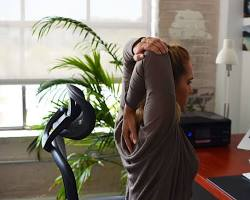
Benefit #4: Helps Build Sustainable Lifestyle Habits
Attempting to counter an inactive lifestyle by forcing yourself into a grueling, high-intensity exercise routine can often feel incredibly intimidating, leading to high drop-out rates and mental burnout.
Consistent, low-intensity daily movement offers a beautifully stress-free alternative. Because habits like standing during a phone call or pacing across a room require zero extra willpower, they are exceptionally easy to stick with over the long term. This simplicity allows you to experience positive lifestyle changes without adding extra stress to an already packed schedule.
Benefit #5: Supports Everyday Physical Function
Your real-world physical capability isn’t determined solely by how much weight you can move on a gym machine; it is built on how easily you handle the physical tasks of daily life.
Real-World Functional Application
| Everyday Scenario | The Structural Demands Involved | How Daily Activity Prepares You |
| Navigating Office Stairs | • Lower-body joint power and stable balance. | • Keeps your knees and ankles highly responsive under load. |
| Handling Home Groceries | • Upper-body control, grip, and core stability. | • Maintains structural readiness across your kinetic chain. |
| Managing Household Chores | • Bending, twisting, and lifting objects safely. | • Prevents sudden back tweaks by keeping tissues warm. |
| Recreational Play | • Keeping up with children or pets comfortably. | • Ensures your baseline stamina matches your lifestyle desires. |
By scattering gentle movement throughout your normal day, you keep your nervous system and skeletal muscles completely primed for action, ensuring you can perform these everyday tasks smoothly and safely.
Simple Ways to Move More Throughout the Day
Countering a sedentary routine does not require you to turn your entire schedule upside down. You can seamlessly weave more activity into your day using these practical, low-stress strategies:
                  ┌──────────────────────────────────────────────┐
                  │       THE REAL-WORLD STEP-UP TOOLKIT         │
                  └──────────────────────┬───────────────────────┘
                                         │
     ┌───────────────────┬───────────────┴───┬───────────────────┬───────────────────┐
     ▼                   ▼                   ▼                   ▼                   ▼
┌──────────────┐   ┌──────────────┐   ┌──────────────┐   ┌──────────────┐   ┌──────────────┐
│ TALK & PACE  │   │ STAIR CLIMB  │   │ REMOTE RESET │   │ STRATEGIC DIST│   │ POST-MEAL    │
│ Stand up and │   │ Choose the   │   │ Set a silent │   │ Park further │   │ Take a short │
│ walk during  │   │ stairs over  │   │ timer for a  │   │ away in the  │   │ walk after   │
│ phone calls  │   │ the elevator │   │ hourly stand │   │ parking lot  │   │ eating food  │
└──────────────┘   └──────────────┘   └──────────────┘   └──────────────┘   └──────────────┘
- Pace During Phone Calls: Make it an unyielding rule to stand up and walk around your office or home whenever you answer a phone call. This simple trigger effortlessly transforms static sitting time into active steps.
- Opt for the Stairs: Whenever you have the choice between an elevator and a flight of stairs, choose the stairs. This quick burst of movement acts as a fantastic, low-impact way to stimulate your lower-body muscles.
- Set a Desktop Stand Timer: Place a silent, 50-minute timer on your computer screen. When the timer goes off, stand up completely for $2\text{ to }3\text{ minutes}$ to stretch your chest, circle your hips, and walk around your workspace.
- Park at the Edge of the Lot: When running errands or driving to work, intentionally select a parking space further away from the main entrance. This simple adjustment ensures you accumulate a few extra minutes of purposeful walking at the start and end of your trips.
- Take Short Post-Meal Walks: Developing a regular habit of taking a brief, 10-minute walk immediately after your largest meals is an exceptional way to clear your mind and support your daily physical consistency.
To explore how timing a gentle stroll immediately after eating can provide immense, highly targeted support for your body’s energy patterns, read FitBodySync’s Detailed Guide to Post-Meal Walking for Metabolic Fitness.

Common Misconceptions About Inactivity
To design a truly resilient lifestyle, it is vital to clear up a few widespread myths surrounding sedentary habits:
Myth: A single, intense morning workout completely offsets the effects of sitting all day.
Reality: Exercise and daily movement operate on completely separate tracks. While a dedicated workout develops cardiorespiratory fitness and muscle power, it cannot prevent the local tissue stiffness that accumulates during eight hours of continuous sitting. You absolutely need both elements to thrive.
Myth: Movement only counts toward your fitness goals if it is highly intense and leaves you sweating.
Reality: Light physical activity—such as casual walking, tidying up a room, or stretching—is incredibly valuable. Your cells and joints respond beautifully to any level of movement, meaning every single bit of low-impact activity contributes to your overall physical well-being.
A Sample “Move More” Lifestyle Blueprint
To see how easy it is to integrate regular activity into a busy professional day, review this balanced, real-world lifestyle template. Notice how movement is broken down into tiny, highly manageable steps that never interfere with work performance.
The FitBodySync Daily Micro-Movement Schedule
🌅 THE MORNING TRANSITION
└── Time Window: 7:30 AM – 8:00 AM
    └── Action: Complete a relaxed, 10-minute walk around the block before sitting down to work.
        └── Benefit: Re-lubricates spinal discs after sleep and awakens lower-body circulation.

💻 THE WORKDAY FOCUS (REPEATING PATTERN)
└── Time Window: 9:00 AM – 12:00 PM
    └── Action: Stand up every 60 minutes for a brief, 2-minute stretch or walk to refill a water glass.
        └── Benefit: Unloads deep hip flexor pressure and clears shoulder tension.

🥪 THE MIDDAY REBOOT
└── Time Window: 12:30 PM – 1:00 PM
    └── Action: Dedicate the final 10 minutes of your lunch break to an easy, conversational walk.
        └── Benefit: Refreshes mental focus and provides low-stress structural activity.

🚗 THE AFTERNOON DISPATCH
└── Time Window: 2:00 PM – 5:00 PM
    └── Action: Stand completely upright whenever participating in an audio-only phone call.
        └── Benefit: Effortlessly accumulates steps while maintaining full professional focus.

🌌 THE EVENING RESET
└── Time Window: 6:30 PM – 7:30 PM
    └── Action: Spend 15 minutes engaging in active household tasks like tidying up or light gardening.
        └── Benefit: Breaks up evening screen time and helps wind down the nervous system for sleep.
By adopting this simple, step-by-step layout, you easily accumulate over 35 minutes of daily movement without ever needing to step foot inside a gym or compromise your professional productivity.
To understand how to naturally expand your steady-state aerobic engine using low-fatigue, conversational cardio options, explore FitBodySync’s Comprehensive Guide to Zone 2 Cardio for Everyday Health.

Why Long-Term Consistency Outperforms Short-Term Intensity
When building a healthy body, the small, repetitive actions you perform throughout your normal day matter infinitely more than any single burst of extreme effort. Your musculoskeletal system does not thrive on sporadic intensity; it adapts beautifully to consistent, gentle habits.
[ Intense Workouts + Complete Stillness ] ──► Recurrent Joint Stiffness & Fatigue
[ Moderate Workouts + Regular Movement ] ──► Lasting Tissue Resilience & Longevity
Choosing to break up long blocks of sitting with a quick walk or stretch is a highly intelligent investment in your long-term health. By respecting your body’s natural need for regular activity, you keep your joints moving freely, protect your lower back, and establish a strong, functional baseline that preserves your physical independence for years to come.
To learn how to monitor your body’s energy levels and recognize when you should focus on low-impact movement rather than pushing harder, read FitBodySync’s Guide to the 7 Signs You Need More Recovery.
Frequently Asked Questions (FAQ)
1. What exactly constitutes a sedentary lifestyle?
A sedentary lifestyle is defined as any daily pattern where an individual spends a significant portion of their waking hours sitting or lying down while engaging in activities that require very little physical effort, such as desk work, driving, or watching screens.
2. How often should I try to break up my sitting time during work?
For optimal tissue health and circulation, aim to stand up and move around for $2\text{ to }3\text{ minutes}$ every $50\text{ to }60\text{ minutes}$. Even a brief change in posture provides an excellent mechanical reset for your hips and spine.
3. Can simple daily movement completely replace my structured exercise sessions?
No. Daily movement and structured exercise serve completely different functions. Light movement keeps your joints loose and maintains baseline circulation, while structured exercise—like resistance training or dedicated cardio—is necessary to build heart capacity and muscle strength.
4. Does casual walking around my house provide real health benefits?
Absolutely. Every single step you take requires your muscles to contract and your heart to pump blood. Accumulating casual steps around your home or office is an exceptional way to support your daily activity levels and break up prolonged stillness.
5. What are the easiest ways for a busy office worker to move more?
Some of the most effective strategies include standing up and pacing during audio phone calls, using the stairs instead of the elevator, parking further away in parking lots, and scheduling short, post-meal walks during lunch breaks.
Conclusion
Countering a sedentary lifestyle does not require an expensive gym membership, complicated workout programs, or a massive overhaul of your daily routine. Small, simple actions repeated consistently throughout your day can easily increase your overall activity levels and eliminate prolonged periods of sitting.
Stepping away from the outdated mindset that movement only counts if it is completely exhausting allows you to cultivate a truly sustainable relationship with your body. Embracing short walking breaks, standing to stretch your muscles, and prioritizing low-impact activities during your normal routine does far more than just ease muscle tightness. It actively lubricates your joints, refreshes your mental energy, and establishes a highly resilient fitness foundation.
By treating movement as a natural, joyful part of your daily life, you protect your long-term mobility and ensure your body remains strong, capable, and entirely free to enjoy life on your own terms.
Disclaimer: The information provided in this article is for educational and informational purposes only and is not intended as medical or professional health advice. Always consult with a qualified healthcare professional or physician before making significant changes to your physical activity levels, especially if you are returning to movement after a long period of inactivity or managing chronic joint discomfort.
References
- World Health Organization (WHO): Global Guidelines on Physical Activity, Sedentary Behavior Management, and Long-Term Mobility Preservation
- Centers for Disease Control and Prevention (CDC): Adult Physical Activity Resources, Strategies for Breaking Up Inactivity, and Habit Consistency Models
- National Institute on Aging (NIA): Exercise and Physical Activity Guide for Maintaining Long-Term Musculoskeletal Resilience and Functional Independence
- American College of Sports Medicine (ACSM): Position Stands on the Risks of Prolonged Sitting and Guidelines for Non-Exercise Activity Thermogenesis (NEAT)
Next Step: Find Your Metabolic Bottleneck
Are you a Stalled Optimizer or a Metabolic Warrior? Stop guessing and start signaling.
To find out which of your 4 biological pillars is stalling your progress, take our 2-minute diagnostic:
Take the 2026 Bio-Recovery AuditDiscover your score across the 4 Pillars of Performance: Engine, Armor, Cleanup, and Repair.