

When progress slows, many people assume they need to train harder. The instinct is completely understandable—more workouts, more effort, and increased intensity seem like the most logical ways to break through a performance plateau and improve fitness. We are routinely told by modern fitness culture that if we aren’t seeing results, we simply aren’t working hard enough.
However, there are times when your body will benefit infinitely more from deep, structured recovery than from additional exercise. Pushing through severe physical fatigue with sheer willpower can eventually lead to diminishing returns, structural vulnerabilities, and a total lack of motivation.
┌────────────────────────────────────────────────────────────────────────┐
│                        THE WORKOUT PRODUCTIVITY TRAP                   │
├───────────────────────────────┬────────────────────────────────────────┤
│ 🏃 THE MORE-EXERCISE INSTINCT │ Plateau ──► Add Volume/Intensity ──►    │
│                               │ Chronic Exhaustion & Performance Drop  │
├───────────────────────────────┼────────────────────────────────────────┤
│ 🛡️ THE BALANCED RECOVERY PATH │ Plateau ──► Assess Stress Cues ──►      │
│                               │ Rest/Deload ──► Tissue Repair & Growth │
└───────────────────────────────┴────────────────────────────────────────┘
Learning to recognize your body’s internal warning signals can help support long-term consistency, protect your joint health, and build a much healthier, more sustainable relationship with your training. This detailed guide breaks down the physical science of recovery, explores seven clear signs that your body needs a break, and provides practical strategies to help you balance your fitness routine.
Why Recovery Is Part of Fitness, Not the Opposite
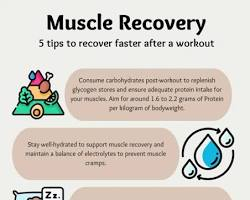
To understand why rest is so vital, we need to completely shift how we view exercise. Many people think that they are building muscle, improving cardiovascular capacity, and getting healthier during their workouts. In reality, the exact opposite is happening.
Exercise is a form of controlled, intentional stress. When you lift weights or perform high-intensity training, you are actually creating microscopic tears in your muscle fibers, draining your cellular energy reserves, and placing temporary stress on your central nervous system.
                    ┌───────────────────────────────┐
                    │    THE STRESS-ADAPTATION WAVE │
                    └───────────────┬───────────────┘
                                    ▼
         ┌──────────────────────────┼──────────────────────────┐
         ▼                          ▼                          ▼
┌─────────────────┐        ┌─────────────────┐        ┌─────────────────┐
│ CONTROLLED INJURY│        │ BIOLOGICAL SLEEP│        │ REBOUND EFFECTS │
│ Workouts Create │        │ Rest & Nutrition│        │ Tissues Rebuild │
│ Micro-Tears     │        │ Fuel Cell Repair│        │ Stronger Than   │
└─────────────────┘        └─────────────────┘        └─────────────────┘
The actual improvements in your fitness do not happen while you are moving—they happen after you stop. Your body adapts, repairs, and grows stronger only during windows of adequate rest and nutrition.
If you stack new workout stress on top of an already exhausted body without giving it time to complete the repair process, your tissues cannot rebuild correctly. Over time, this lack of balance can stall your physical progress and leave your body vulnerable to chronic fatigue.
A Public Health Observation on Recovery
Through my background in laboratory science and public health, I have often noticed that mainstream health discussions focus heavily on increasing exercise volume, counting workout hours, and tracking calorie burn. Meanwhile, lifestyle recovery habits receive far less attention.
We see a massive public push telling people to move more and push harder, which is highly valuable for combating sedentary lifestyles. However, we rarely talk about the physiological cost of unmanaged physical stress. Public health data clearly demonstrates that long-term fitness consistency is rarely about pushing your body to its absolute limits every single day.
[ Focus on Volume Only ] ────► Systematic Exhaustion ──► Burnout & Injury
[ Focus on Balanced Rest ] ──► Sustained Consistency ──► Lifelong Longevity
Sustainable physical activity depends entirely on balancing your movement with high-quality rest and recovery. When we look at population trends around exercise dropouts, the primary cause is not a lack of initial discipline—it is the unmanaged accumulation of chronic physical exhaustion, persistent joint discomfort, and mental burnout.
Promoting recovery from a public health perspective means shifting our focus toward long-term resilience, ensuring that exercise remains a healthy, supportive, and lifelong habit.
Sign #1: Persistent Fatigue
There is a major difference between the satisfying, temporary tiredness that follows a great workout and a deep, systemic fatigue that lingers for days. Persistent fatigue is a clear sign that your lifestyle demands are moving faster than your body’s ability to repair itself.
  Normal Workout Tiredness ──► Clears within a few hours after eating and resting
  Persistent Systemic Fatigue ─► Deep heaviness that remains even after sleeping
When you are dealing with chronic fatigue, you will notice a distinct lack of energy before your workouts even begin. The thought of stepping into the gym or going for a run feels like an exhausting mountain to climb.
Furthermore, this physical heaviness will start spilling over into your normal daily life. Basic everyday activities—like walking up a flight of stairs, carrying a load of groceries, or keeping up with your daily work tasks—will begin to feel unusually difficult. If a full night of sleep leaves you feeling just as exhausted as when your head hit the pillow, your body is telling you that its internal recovery systems are falling behind.
Sign #2: Declining Physical Performance
One of the most clear, objective indicators that your body needs more rest is a measurable drop in your physical performance. When your muscles and nervous system are well-recovered, your physical capabilities should stay stable or steadily improve over time.
┌──────────────────────────────────────────────────────────────────────────┐
│ THE PERFORMANCE DECLINE CASCADE                                          │
│ • Slower Cardio Times: Running or cycling paces drop despite high effort  │
│ • Reduced Muscular Power: Fewer reps completed with weights you usually handle │
│ • Slower Reaction Speed: The body feels heavy, sluggish, and uncoordinated │
└────────────────────────────────────┬─────────────────────────────────────┘
                                     │
                                     ▼
┌──────────────────────────────────────────────────────────────────────────┐
│ THE SYSTEMIC CAUSE                                                       │
│ • Central Nervous System Fatigue Reduces Your Brain's Muscle Recruitment │
└──────────────────────────────────────────────────────────────────────────┘
When you are overtraining, you will notice your running paces slowing down, your lifting repetitions dropping, and weights that usually feel manageable suddenly feeling incredibly heavy. You might also notice a significant drop in your motivation during training, finding yourself cutting workouts short or going through the motions without any real drive.
This drop in performance is often a sign of central nervous system (CNS) fatigue. When your nervous system is exhausted, your brain cannot signal your muscle fibers to fire with their normal speed and power, causing your physical output to drop despite your best efforts.

Sign #3: Muscle Soreness That Doesn’t Improve
Experiencing a mild amount of Delayed Onset Muscle Soreness (DOMS) after introducing a new exercise or increasing your weights is completely normal. This soreness typically peaks around $24\text{ to }48\text{ hours}$ after a workout and then naturally fades away as your tissues repair.
However, if you are experiencing deep, tender muscle soreness that persists for four, five, or more days without improving, your body’s cellular repair process has likely stalled.
  [ Normal DOMS Window ] ─────► Peaks at 24-48 Hours ──► Fades Away Naturally
  [ Chronic Soreness Sign ] ──► Lingers past 96 Hours ──► Stalled Cellular Repair
Lingering soreness means that your body lacks the raw energy resources, circulation, or rest required to heal the microscopic structural damage caused by your last workout. Continuously training muscles that are already deeply sore does not lead to better fitness; it simply breaks down the tissue further, stretching out your recovery timeline and keeping your body in a chronic inflammatory state.
To learn more about the biological mechanisms of post-workout muscle soreness and tissue repair, read FitBodySync’s Detailed Guide to the Science of Active Recovery.
Sign #4: Poor Sleep Quality
It seems logical to assume that pushing your body to absolute physical exhaustion through endless exercise would lead to incredibly deep, restful sleep. However, the human stress response works in a completely different way.
Excessive Workout Stress ──► Chronically High Cortisol & Adrenaline ──► Interrupted Sleep Cycles
When you overtrain, your body perceives the constant physical stress as a continuous threat. To cope, your adrenal glands keep your baseline stress hormones—specifically cortisol and adrenaline—elevated long after your workout has ended.
These elevated hormones keep your nervous system in a heightened state of alertness, making it incredibly difficult to fall asleep at night. You may find yourself tossing and turning, waking up frequently throughout the night, or experiencing light, interrupted sleep.
Waking up feeling completely unrefreshed is a classic sign that your body is spending too much time in a stressed state and missing out on the deep, restorative sleep cycles needed to heal.

Sign #5: Loss of Motivation to Exercise
While physical signs are easy to measure, the mental and emotional shifts caused by overtraining are equally important indicators of your physical state. A sudden, complete loss of motivation to exercise is rarely just a mental hurdle; it is often a protective response from your brain.
Understanding the Focus Shift: Training vs. Overtraining
| Psychological Component | Healthy, Recovered State | Exhausted, Overtrained State |
| Mental Outlook | • View workouts as an exciting, positive challenge. | • View exercise as an exhausting chore or obligation. |
| Focus Levels | • High mental focus and determination. | • Mental fog, distraction, and low drive. |
| Post-Workout Feeling | • Accomplished, energized, and clear-headed. | • Physically drained, anxious, and deeply tired. |
| Routine Consistency | • Driven by healthy, structured habits. | • Maintained purely by stressful guilt. |
When your body is chronically exhausted, your brain will try to protect your remaining energy reserves by dampening your desire to move. If workouts you used to love suddenly feel like a frustrating chore, or if you feel a deep sense of dread at the thought of exercise, your brain is sending you a clear signal to step back, rest, and allow your body to reset.
Sign #6: Increased Irritability or Stress
Your body does not separate the physical stress of a hard workout from the mental stress of your daily life. All forms of stress—whether from a heavy lifting session, a long project at work, a stressful commute, or financial worries—pour into the exact same reservoir inside your nervous system.
  [ Daily Life Stressors ] ──┐
                             ├──► [ Single Nervous System Reservoir ] ──► Systemic Burnout
  [ Heavy Training Stress ] ─┘
When you add excessive exercise volume on top of an already high amount of life stress, you can easily overflow that internal reservoir. This state of chronic overstimulation leaves your sympathetic nervous system completely overwhelmed.
As a result, you may find yourself experiencing sudden mood shifts, low emotional patience, and increased irritability over minor daily inconveniences. When your nervous system is permanently red-lined from a lack of recovery, your ability to handle everyday life challenges drops significantly.
Sign #7: Minor Aches and Discomfort Becoming More Frequent
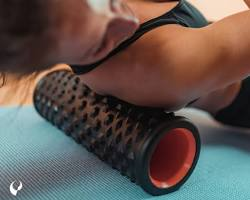
A loss of physical recovery does not just affect your energy levels; it gradually compromises the structural integrity of your joints, tendons, ligaments, and connective tissues.
Stalled Soft Tissue Repair ──► Repetitive Mechanical Strain ──► Chronic Joint Discomfort
Muscles have an incredibly rich blood supply, allowing them to adapt and heal relatively quickly. Connective tissues like tendons and ligaments, however, have far less direct blood flow, meaning they require significantly more time to repair from repetitive exercise.
When you shorten your recovery windows, these structural tissues are forced to absorb repetitive mechanical forces without having the time to heal properly. You will notice this through minor warning signs: a dull ache in your shoulder during overhead movements, tightness around your patellar tendon when climbing stairs, or lingering discomfort in your lower back after sitting.
Ignoring these small warnings and continuing to push through the discomfort can eventually lead to chronic, long-term joint strain that can completely stall your consistency.
To discover how simple daily movement habits can keep your joints moving comfortably and break up long blocks of desk-bound sitting, check out FitBodySync’s Guide to Walking After Meals for Metabolic Fitness.
Common Misconceptions About Recovery
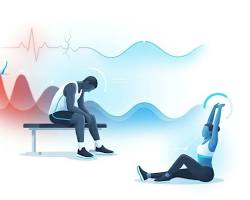
To build a truly resilient body, we need to clear up some of the most common myths and misunderstandings surrounding physical rest:
- Myth: Taking a Rest Day Will Cause You to Quickly Lose Your Hard-Earned Fitness
- The Reality: This is biologically impossible. True cardiovascular decline and muscular atrophy require at least $10\text{ to }14\text{ days}$ of total, continuous inactivity to set in. Taking one or two strategically placed rest days per week actually supports your long-term consistency, allowing your body to bounce back stronger and perform at a higher level.
- Myth: More Exercise Is Always Better for Direct Progress
- The Reality: Physical progress requires a balance of both training and rest. Think of your fitness journey like building a house: workouts provide the raw materials and structural blueprints, but recovery is the actual construction team that builds the walls. Without rest, you are simply leaving raw materials lying on the ground.
┌────────────────────────────────────────────────────────────────────────┐
│                        RECOVERY MYTH VS. REALITY                       │
├───────────────────────────────┬────────────────────────────────────────┤
│ ❌ THE NO-DAYS-OFF MYTH       │ Believing you must push to exhaustion  │
│                               │ every day to lock in your fitness gains│
├───────────────────────────────┼────────────────────────────────────────┤
│  THE SCIENTIFIC REALITY       │ True physical adaptations take place   │
│                               │ entirely during your recovery windows   │
└────────────────────────────────────────────────────────────────────────┘
Practical Ways to Improve Your Recovery
If you recognize several of these warning signs in your own life, it is time to shift your focus toward active, high-quality recovery strategies. Use these practical steps to help your body heal and rebuild:
1. Prioritize Quality Sleep
Sleep is your ultimate natural performance enhancer. During deep sleep stages, your body increases its production of growth hormones, accelerates cellular protein synthesis, and repairs damaged muscle tissue. Aim for $7\text{ to }9\text{ hours}$ of quality, uninterrupted sleep per night to give your body the time it needs to heal.
2. Practice Active Recovery
Recovery does not have to mean sitting completely still on a couch all day. Engaging in low-intensity, non-fatiguing movement—such as a relaxed walk, a light swim, or gentle mobility work—is an exceptional way to boost systemic circulation, deliver fresh nutrients to your muscles, and clear away localized joint stiffness.
3. Manage Your Training Volume and Intensity
If you are feeling deeply worn down, consider incorporating a deload week into your routine. Reduce your training weights by $30\%\text{ to }40\%$ and cut your total workout sets in half for seven days. This temporary drop in physical demand allows your joints and nervous system to catch up on repair without losing your momentum.

4. Stay Hydrated
Your cellular repair systems require plenty of water to function efficiently. Maintaining proper hydration levels supports optimal blood volume, ensures nutrients are delivered smoothly to recovering tissues, and keeps your joints well-lubricated throughout the day.
A Simple Weekly Recovery Check-In Checklist
To help you monitor your recovery status and listen to your body’s signals, take a few moments every week to run through this simple physical check-in:
📊 THE FITBODYSYNC LIFESTYLE RECOVERY AUDIT

▢ SLEEP QUALITY
  └── Am I waking up feeling genuinely refreshed and energized for the day?

▢ PHYSICAL PERFORMANCE
  └── Are my workout weights, running paces, and repetition totals steady or improving?

▢ JOINT & SOFT TISSUE HEALTH
  └── Am I free from lingering tendon aches, joint discomfort, or deep, multi-day soreness?

▢ MENTAL DRIVE & MOOD
  └── Do I feel excited to train, clear-headed, and emotionally patient with daily challenges?

▢ SYSTEMIC ENERGY
  └── Do everyday physical tasks feel manageable and free from unusual fatigue?
If you answer “No” to two or more of these questions, your body is telling you that its current stress levels are higher than its recovery capacity, and it’s time to prioritize rest.
Why Long-Term Consistency Wins Over Short-Term Intensity
In the realm of physical fitness and longevity, the daily consistency of your habits matters infinitely more than the extreme intensity of any single workout. Your body does not improve by simply being pushed to exhaustion; it adapts and thrives when given a sustainable rhythm of work and rest.
[ Extreme, Unrested Overuse ] ──► Chronic Strain, Burnout, & Extended Plateaus
[ Balanced Work + Rest Rhythm ] ──► Functional Muscle Support & Lifelong Vitality
Choosing to listen to your body’s warning signs and taking an intentional rest day is not a sign of weakness—it is an intelligent, strategic choice for long-term health. By respecting your body’s biological need for recovery, you protect your joints, maintain your mental energy, and build a strong, capable body that lasts a lifetime.
To discover how building baseline muscle strength protects your joints from daily wear and tear, check out FitBodySync’s Comprehensive Guide to the Importance of Leg Strength.
Frequently Asked Questions (FAQ)
1. How many dedicated recovery days do I need per week?
Most active individuals see the best results by scheduling $1\text{ to }2\text{ dedicated recovery days}$ per week. This structure gives your muscles and nervous system the necessary time to repair from heavy training without losing your hard-earned fitness momentum.
2. Is deep muscle soreness always a sign of a highly effective workout?
No. While mild soreness is a common response to new movements or increased weights, severe, debilitating soreness is not a requirement for progress. True fitness improvements are measured by your long-term performance gains and joint stability, not by how uncomfortable you feel the next day.
3. Can a casual walk serve as an effective recovery tool?
Absolutely. A low-intensity, conversational walk is one of the most effective active recovery activities available. It gently increases blood circulation and maintains joint mobility without adding any additional physical stress to your recovering muscles.
4. What exactly is the core difference between active and passive recovery?
Active recovery involves low-impact, non-fatiguing physical movements—like walking or light stretching—to boost blood flow and ease stiffness. Passive recovery means total physical rest with no structured movement, which is essential when dealing with systemic exhaustion, illness, or acute injuries.
5. Can continuing to exercise when chronically exhausted slow down my progress?
Yes. Pushing your body through chronic fatigue keeps your stress hormones elevated, stalls your muscle repair processes, and can lead to performance declines. Allowing for appropriate recovery is what allows your body to adapt and grow stronger.
Conclusion
The science of physical longevity highlights a vital biological truth: true fitness is a balanced relationship between targeted physical stress and intentional recovery. Progress is not a one-way street of continuous intensity; it is a rhythmic cycle of testing your limits and then giving your body the space, time, and nutrition it needs to rebuild.
Stepping away from the outdated mindset that progress requires endless physical exhaustion allows you to protect your long-term health. Embracing rest days, prioritizing quality sleep, and incorporating light active recovery options on your non-training days does far more than just reduce muscle soreness. It keeps your joints healthy, balances your nervous system, restores your mental clarity, and builds a sustainable, lifelong fitness foundation that supports your freedom, performance, and physical independence for years to come.
Disclaimer: The information provided in this article is for educational and informational purposes only and is not intended as medical or professional health advice. Always consult with a qualified healthcare professional or physician before making changes to your training protocols, addressing chronic physical fatigue, or diagnosing sleep and mood disruptions.
References
- American College of Sports Medicine (ACSM): Guidelines for Determining Optimal Exercise Volume and Preventing Overtraining Syndrome in Active Populations
- National Institutes of Health (NIH): The Role of Sleep Quality, Hormonal Balance, and Autonomic Nervous System Recovery in Skeletal Muscle Repair
- Centers for Disease Control and Prevention (CDC): Physical Activity Resources for Building Systemic Musculoskeletal Resilience and Lifetime Habit Consistency
- World Health Organization (WHO): Global Recommendations on Physical Activity, Rest Management, and Mental Wellbeing Balance
Next Step: Find Your Metabolic Bottleneck
Are you a Stalled Optimizer or a Metabolic Warrior? Stop guessing and start signaling.
To find out which of your 4 biological pillars is stalling your progress, take our 2-minute diagnostic:
Take the 2026 Bio-Recovery AuditDiscover your score across the 4 Pillars of Performance: Engine, Armor, Cleanup, and Repair.