

A firm handshake or the effortless ability to carry heavy bags of groceries may seem like minor, everyday occurrences. Yet, these basic physical actions tell us far more about a person’s underlying physical function than many realize.
While popular fitness culture often prioritizes highly visible markers—like a toned midsection or large bicep muscles—public health researchers and longevity specialists frequently look at a far more humble indicator: grip strength.
┌────────────────────────────────────────────────────────────────────────┐
│                        THE GRIP STRENGTH RADAR                         │
├───────────────────────────────┬────────────────────────────────────────┤
│ 🔗 THE ISOLATED VIEW          │ "It's just hand and forearm strength   │
│                               │ meant for opening tightly sealed jars."│
├───────────────────────────────┼────────────────────────────────────────┤
│ 🌐 THE LONGEVITY WINDOW       │ A highly reliable proxy for systemic   │
│                               │ skeletal muscle mass & neural function.│
└───────────────────────────────┴────────────────────────────────────────┘
Shifting your focus toward grip strength allows you to understand how well your nervous and muscular systems communicate. By exploring what your hands reveal about your structural longevity, you can build a highly resilient body that maintains its physical capability, daily independence, and operational function for decades to come.
What Is Grip Strength?
To explore its deeper meaning, we must first define exactly what grip strength is and how it functions. In simple terms, grip strength is the maximum force or tension generated by the muscles of your hands, wrists, and forearms working together.
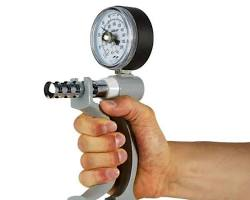
In laboratory settings and clinical public health studies, grip strength is typically measured using a highly precise tool called a handheld dynamometer. To perform the evaluation, an individual squeezes the device’s handle with maximum effort using one hand. The tool records the peak compressive force—usually measured in kilograms or pounds.
                       ┌─────────────────────────┐
                       │ THE THREE GRIP PROFILES │
                       └────────────┬────────────┘
                                    ▼
         ┌──────────────────────────┼──────────────────────────┐
         ▼                          ▼                          ▼
┌─────────────────┐        ┌─────────────────┐        ┌─────────────────┐
│  CRUSH GRIP     │        │  SUPPORT GRIP   │        │  PINCH GRIP     │
│ The power to    │        │ The endurance to│        │ The control to  │
│ close your hand │        │ hold an object, │        │ pinch items firmly│
│ firmly around a │        │ like a heavy bag│        │ between your    │
│ structural bar  │        │ for a long walk │        │ thumb and fingers│
└─────────────────┘        └─────────────────┘        └─────────────────┘
These three unique grip profiles rely on an intricate network of deep forearm muscles, flexible tendons, and neural pathways. They work in tandem to safely transfer mechanical power from your upper body into your immediate environment.
Why Researchers Pay Close Attention to Grip Strength
Public health scientists, epidemiologists, and longevity researchers do not study hand strength simply because they want people to have strong fingers. Instead, they view grip strength as a highly accessible, cost-effective, and deeply reliable proxy for overall systemic muscle mass and neural efficiency.
[ Weak Grip Output ]  ──► Potential Loss of Overall Muscle Tissue & Low Neural Drive
[ Robust Grip Output ] ──► Well-Preserved Systemic Lean Mass & Sharp Nervous System
As the human body moves through its natural lifespan, measuring total skeletal muscle mass across the entire frame requires complex, expensive medical imaging scans. However, decades of clinical data demonstrate that the maximum force generated by your hands correlates beautifully with the strength of your lower body, your respiratory muscle capacity, and your overall vitality.
When an individual maintains a robust grip, it serves as a strong biological signal that their nervous system can successfully recruit muscle fibers and their musculoskeletal system is well-preserved.
Grip Strength and Daily Life
The true beauty of a well-conditioned grip is that it shows up continuously in your everyday environment. It is a fundamental element of practical, real-world physical capability.
Everyday Structural Applications
| Common Daily Activity | The Muscular Demands Involved | The Real-World Benefit |
| Carrying Heavy Groceries | • Prolonged support grip endurance across the fingers and wrists. | • Eliminates finger fatigue, allowing you to walk longer distances comfortably. |
| Lifting Storage Boxes | • Coordinated crush grip paired with shoulder stability. | • Prevents unexpected drops and unloads mechanical stress from the lower back. |
| Opening Tightly Sealed Jars | • Maximum torque and clean rotational wrist power. | • Restores everyday ease, removing the need for specialized opening tools. |
| Household Maintenance | • Precision pinch grip and continuous hand coordination. | • Reduces hand cramping while handling tools, paintbrushes, or yard gear. |
By cultivating robust hands and forearms, you directly reduce the micro-frustrations of daily living, turning heavy household tasks into easy, low-fatigue movements.
A Public Health Perspective on Functional Strength
Through my background in laboratory science and public health, I have often noticed that people tend to search for the most effective workout while overlooking the importance of sustainability. In many cases, a training plan that can be maintained consistently may be more valuable than one that is difficult to follow long term.
We see an enormous public focus placed on modern health metrics like body fat percentages or high-intensity interval metrics. Yet, long-term public health tracking reveals that basic markers of operational function—like walking speed and grip strength—are incredibly accurate indicators of a person’s future physical freedom.
  High Focus on Extreme Fitness Trends ──► Hard to Maintain ──► Early Training Burnout
  Prioritizing Functional Indicators ──► Easy to Track ──► Sustained Independence
In laboratory environments, observing a gradual decline in an individual’s grip output often serves as an early warning sign that they are losing overall skeletal muscle tissue. By prioritizing functional indicators like hand and lower-body strength, we can catch subtle physical declines early. This approach allows us to pivot toward sustainable habits that protect long-term structural mobility.
Why Grip Strength Is Discussed Alongside Healthy Aging
The primary reason grip strength is considered a foundational cornerstone of long-term longevity is its intimate connection to maintaining independent living during later stages of life.
┌──────────────────────────────────────────────────────────────────────────┐
│ THE LONGEVITY STACK                                                      │
│ • Strong Hand Grip ──► Easier Management of Heavy Daily Tasks            │
│ • Active Upper Body ──► Protective Structural Buffer Against Falls        │
│ • Preserved Lean Mass ──► Safe, Independent Navigation of Your Home      │
└──────────────────────────────────────────────────────────────────────────┘
Age-related loss of muscle mass and function—known biologically as sarcopenia—typically begins to accelerate after middle age. This loss often shows up first as a weakening grip.
When your hands lack the strength to carry items, pull doors open, or stabilize your body during a minor slip, your personal environment naturally begins to shrink. Cultivating deep physical function in your hands provides a protective structural buffer. It ensures you can safely navigate your home, engage in hobbies, and enjoy active living across your entire lifespan.
To discover how matching your hand development with a strong, highly stable lower body forms an unbeatable foundation for lifelong physical independence, explore FitBodySync’s Comprehensive Breakdown on Why Leg Strength Matters.
Factors That Influence Your Squeezing Power
Your specific score on a dynamometer isn’t fixed in stone; it is the unique result of several overlapping lifestyle, biological, and training variables:
- Chronological Age: Grip power naturally peaks between the ages of 20 and 30, after which it enters a slow, gradual decline unless intentionally maintained through regular physical challenge.
- Daily Activity Levels: Individuals who regularly work with their hands, carry heavy items, or engage in active yard maintenance naturally maintain a higher baseline grip than those who experience prolonged physical stillness.
- Structured Strength Training: Consistently challenging your muscles with progressive resistance forces your forearms and hands to adapt, significantly increasing your maximum force output.
- Professional Occupation: Careers that involve continuous manual dexterity—such as mechanics, carpenters, musicians, or laboratory technicians—naturally build localized muscular endurance over time.
- Systemic Physical Recovery: Your grip is highly sensitive to the state of your central nervous system. A temporary drop in sleep quality or high levels of mental fatigue will often show up immediately as a weaker grip.
Simple Ways to Safely Improve Your Grip Strength
You do not need complicated, specialized equipment to build strong hands and forearms. You can easily integrate these highly effective, low-stress exercises into your current weekly routine:
                  ┌──────────────────────────────────────────────┐
                  │          THE FUNCTIONAL GRIP TOOLKIT         │
                  └──────────────────────┬───────────────────────┘
                                         │
     ┌───────────────────┬───────────────┴───┬───────────────────┐
     ▼                   ▼                   ▼                   ▼
┌──────────────┐   ┌──────────────┐   ┌──────────────┐   ┌──────────────┐
│ FARMER CARRIES│   │ DEAD HANGS   │   │ RESISTANCE   │   │ CONTEXTUAL   │
│ Hold heavy   │   │ Hang relaxed │   │ Perform rows │   │ Carry heavy  │
│ weights and  │   │ from a solid │   │ and deadlifts│   │ house objects│
│ walk slowly  │   │ pull-up bar  │   │ without metal│   │ with your    │
│ with long arm│   │ for time     │   │ lifting straps│  │ bare hands   │
└──────────────┘   └──────────────┘   └──────────────┘   └──────────────┘
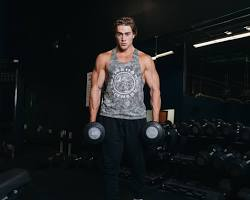
- The Farmer’s Carry: Pick up a pair of moderately heavy dumbbells or kettlebells, stand completely upright with your shoulders back, and walk slowly in a straight line for 30 to 60 seconds. This is the absolute gold standard for building continuous support grip endurance.
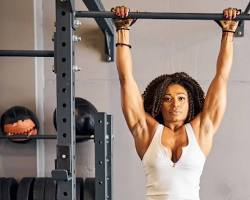
- The Dead Hang: Grasp a sturdy overhead pull-up bar firmly with both hands and let your body hang freely. Aim to hold this position for 15 to 30 seconds, focusing on keeping your shoulders packed and your core engaged. This acts as a fantastic tool for decompression and finger strength.
- Strap-Free Resistance Training: When performing classic upper-body exercises like rows, pull-downs, or deadlifts, avoid using supportive lifting straps whenever possible. Forcing your hands to hold the raw weight naturally develops your grip alongside your target muscles.
- Strategic Everyday Lifting: Intentionally carry heavy objects around your home—like full laundry baskets, large water jugs, or bags of soil—using your bare hands, ensuring you keep your wrists straight and stable.
To learn how to systematically increase the weight or duration of these movements over time to ensure continuous, safe muscular adaptation, dive into FitBodySync’s Guide to Progressive Overload Made Simple.
Common Grip Strength Myths
To maximize your physical progress, it is important to clear away a few widespread misconceptions surrounding hand strength:
Myth: Grip strength is only important for competitive powerlifters, climbers, or elite athletes.
Reality: While athletes certainly rely on hand power, grip strength is a vital quality for everyday healthy aging. Having a strong grip matters far more to an older adult trying to carry their own luggage or garden comfortably than it does to a recreational gym-goer.
Myth: Squeezing small, plastic hand grippers while sitting on the couch is the only way to build grip power.
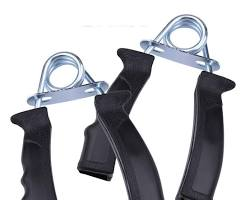
Reality: Isolated spring grippers can build localized finger endurance, but they do not teach your hands to coordinate with your shoulders, core, and lower body. Compound movements—like carrying heavy objects—provide a far superior stimulus for everyday functional longevity.
Signs Your Grip Output May Need Extra Attention
Your body provides clear, practical feedback when your hand and forearm muscles are operating below an ideal structural baseline. Pay close attention if you notice these recurring signs:
- Premature Carrying Fatigue: Your fingers begin to burn, ache, or slip open within just 20 to 30 seconds of holding standard reusable grocery bags or a modest brief case.
- Persistent Writing or Typing Cramps: Your hands and thumbs lock up or experience deep, uncomfortable fatigue during routine computer work or handwriting tasks.
- Frequent Dropping of Household Items: You notice a frustrating increase in how often glasses, keys, or lightweight kitchen tools slip out of your hands during simple tasks.
- Rapid Wrist Exhaustion at the Gym: Your hands consistently give out during back or leg exercises long before your target muscles have actually been challenged.
If these warning signs sound familiar, it may mean your upper body is crying out for a smart reduction in exercise volume paired with deeper physical rest. To understand how to properly read your body’s subtle fatigue signals, review FitBodySync’s Systemic Guide to the 7 Signs Your Body Needs More Recovery.
Why Total System Balance Always Matters Most
While a robust grip is an exceptional biological indicator of systemic physical function, it remains just one piece of your overall lifestyle puzzle. Having incredibly strong forearms won’t fully protect your structural health if your cardiovascular engine or systemic recovery habits are being completely neglected.
[ Isolated Grip Training Only ] ──► Localized Hand Power But Low Cardiorespiratory Base
[ Balanced Longevity Approach ] ──► Sharp Forearm Grip + Resilient Aerobic Engine
True physical longevity requires a balanced, multi-faceted approach. You want to couple your upper-body strength work with regular, low-fatigue steady-state cardio. This comprehensive combination ensures that your heart, lungs, joints, and skeletal muscles operate as a cohesive, resilient unit across your entire life journey.
To discover how to naturally build your aerobic baseline using low-stress, conversational running or walking options that support your longevity goals, check out FitBodySync’s Complete Explorer’s Guide to Zone 2 Cardio.
Frequently Asked Questions (FAQ)
1. What exactly does my grip strength reveal about my overall fitness?
Grip strength acts as a reliable proxy for your systemic skeletal muscle mass and your central nervous system’s ability to efficiently recruit muscle fibers. A strong grip generally correlates with well-preserved total body strength and lower rates of physical decline.
2. Can I accurately test my grip strength at home without expensive tools?
While a clinical handheld dynamometer is required for exact numbers, you can easily test your baseline functional endurance at home. A healthy adult should generally be able to perform a controlled dead hang from a sturdy bar or complete a farmer’s carry with modest weights for 20 to 30 seconds without their hands slipping open.
3. Does grip strength naturally drop as a person gets older?
Yes. Grip strength typically peaks in a person’s 20s and 30s and gradually declines with age due to natural muscle loss. However, you can significantly slow, halt, or even reverse this process by consistently challenging your hands with resistance exercises.
4. Can a daily walking habit help improve my grip strength?
A standard walk provides immense cardiovascular and metabolic benefits, but it does not place enough physical tension on your hands to build grip strength. To challenge your upper body during a walk, try transforming it into a farmer’s carry by holding light dumbbells or weighted objects.
5. Why do my hands feel remarkably weak on certain days?
Your grip is highly dependent on your central nervous system. If you are experiencing high mental stress, navigating poor sleep, or recovering from an exhausting workout, your brain’s ability to send strong signals to your hands drops temporarily, resulting in a noticeably weaker grip.
Conclusion
Grip strength is often overlooked in traditional fitness discussions, but it serves as an incredibly powerful, deeply telling indicator of your body’s functional longevity and physical capability.
Stepping away from the narrow mindset that fitness is only measured by aesthetic appearance allows you to appreciate the compounding value of functional indicators. Prioritizing dead hangs, integrating farmer’s carries into your workouts, and minimizing your reliance on lifting straps does far more than just simplify your grocery trips. It actively supports your nervous system, preserves your lean muscle tissue, and builds a robust physical buffer that keeps you moving freely.
By treating hand and forearm strength as an essential pillar of your longevity strategy, you ensure your body remains thoroughly capable, independent, and completely prepared to handle the physical adventures of daily life with absolute confidence.
Disclaimer: The information provided in this article is for educational and informational purposes only and is not intended as medical or professional health advice. Always consult with a qualified healthcare professional or physician before beginning a new exercise regimen or using specialized testing equipment, especially if you have a history of hand, wrist, or elbow joint pain.
References
- The Lancet: Prognostic Value of Grip Strength: Findings from the Prospective Urban Rural Epidemiology (PURE) Study on All-Cause Mortality and Cardiovascular Function
- American Geriatrics Society (AGS): Clinical Guidelines on Using Hand Grip Dynamometry as a Primary Diagnostic Tool for Sarcopenia and Functional Decline
- National Institute on Aging (NIA): Exercise and Physical Activity Resources for Maintaining Musculoskeletal Strength and Upper-Body Mobility in Older Adults
- Journal of Strength and Conditioning Research: The Relationship Between Hand Grip Strength, Core Stability, and Total Body Functional Performance Indicators
Next Step: Find Your Metabolic Bottleneck
Are you a Stalled Optimizer or a Metabolic Warrior? Stop guessing and start signaling.
To find out which of your 4 biological pillars is stalling your progress, take our 2-minute diagnostic:
Take the 2026 Bio-Recovery AuditDiscover your score across the 4 Pillars of Performance: Engine, Armor, Cleanup, and Repair.