

Many people assume that exercise must be intense to be effective. High-intensity workouts often receive the most attention, but some of the most sustainable fitness habits involve exercising at a moderate pace. One example is Zone 2 cardio, a training approach that has gained attention for its potential role in supporting endurance, fitness, and everyday health.
In a culture that frequently celebrates the “no pain, no gain” mentality, the idea of slowing down to make progress can feel entirely counterintuitive. Yet, shifting our perspective away from constant exhaustion allows us to discover a style of movement that works with our biology rather than against it.
┌────────────────────────────────────────────────────────────────────────┐
│                        THE EXERCISE INTENSITY MYTH                     │
├───────────────────────────────┬────────────────────────────────────────┤
│ ❌ THE MISCONCEPTION          │ Exercise must be grueling, breathless, │
│                               │ and completely exhausting to count.     │
├───────────────────────────────┼────────────────────────────────────────┤
│ 🎯 THE REALITY                │ Moderate, steady-state movement builds │
│                               │ the foundational base for real health. │
└───────────────────────────────┴────────────────────────────────────────┘
By focusing on manageable, steady-state activity, we can build a strong aerobic foundation that supports our daily energy levels, protects our joints, and integrates seamlessly into a busy schedule.
What Is Zone 2 Cardio?
At its core, Zone 2 cardio refers to low-to-moderate intensity physical activity performed at a steady, continuous pace.
The easiest way to identify if you are in Zone 2 is by using the “conversational test.” During this type of activity, you should be breathing slightly harder than you would while sitting at a desk, but you should still be entirely capable of maintaining a full, fluid conversation without gasping for air between sentences.
                    ┌───────────────────────────────┐
                    │     THE CONVERSATION SCALE    │
                    └───────────────┬───────────────┘
                                    ▼
         ┌──────────────────────────┼──────────────────────────┐
         ▼                          ▼                          ▼
┌─────────────────┐        ┌─────────────────┐        ┌─────────────────┐
│ ZONE 1          │        │ ZONE 2 (TARGET) │        │ ZONE 3+         │
│ Resting pace;   │        │ Lightly huffing │        │ Breathless; can │
│ zero effort to  │        │ but can speak   │        │ only get out a  │
│ chat comfortably│        │ in full sentences│       │ few words at once│
└─────────────────┘        └─────────────────┘        └─────────────────┘
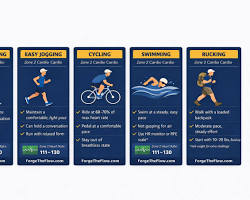
Because Zone 2 relies on an effort level that feels thoroughly sustainable, it covers a wide variety of familiar everyday physical movements, including:
- Brisk walking (especially up a gentle incline)
- Easy, casual cycling on flat pavement
- Light, conversational jogging
- Steady, relaxed swimming
Why Is It Called “Zone 2”?
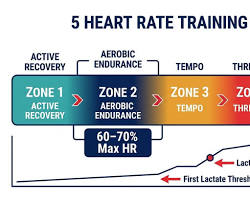
The name comes from a standard five-zone model used by sports scientists to categorize different levels of exercise intensity based on heart rate. Instead of looking at these zones as complicated mathematical formulas, it is much easier to view them as a simple spectrum of physical effort.
Zone 1: Very Light (Rest/Casual) ──► Zone 2: Moderate (Aerobic) ──► Zone 3-5: Challenging to Intense (Anaerobic)
In this spectrum, Zone 2 represents your baseline aerobic training threshold. When you operate within this specific window, your body is working hard enough to stimulate your heart and lungs, but not so hard that it produces high amounts of lactic acid (the metabolic byproduct that causes that deep, burning sensation in your muscles during hard sprints).
The goal of this training isn’t to hit a perfect, unyielding heart rate number on a digital smartwatch. Instead, it is about staying within a specific biological sweet spot where your body can comfortably utilize oxygen to generate consistent energy for an extended period.
A Public Health Observation About Sustainable Exercise
Through my background in laboratory science and public health, I have often noticed that many people believe exercise must be exhausting to be worthwhile. Yet, one of the biggest challenges in fitness is consistency. Activities that feel manageable and can be maintained over time are often easier to incorporate into daily life than highly demanding routines.
When an individual chooses a workout plan that leaves them completely drained, sore for days, and physically depleted, their long-term adherence almost always drops. From a behavioral standpoint, human beings naturally avoid activities that cause chronic discomfort.
[ High-Intensity Burnout ] ──► Deep Physical Fatigue ──► Skipped Sessions ──► Disrupted Habits
[ Moderate-Pace Training ] ──► Low Residual Fatigue ──► Predictable Routine ──► Lifelong Consistency
By shifting public health conversations toward accessible, moderate-intensity habits like Zone 2 cardio, we can remove the intimidating barriers that keep people sedentary. Sustainable movement patterns build long-term metabolic resilience far better than sporadic bursts of extreme effort.
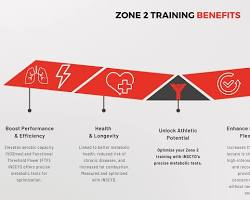
Hidden Benefit #1: Easier to Maintain Consistently
The most significant asset of Zone 2 cardio is that it generates exceptionally low residual fatigue. Because you aren’t pushing your muscles to total failure or forcing your lungs to gasp for air, your body requires very little recovery time afterward.
This lack of exhaustion makes it highly realistic to establish a predictable, long-term routine. When a workout feels pleasant and leaves you with more energy rather than less, you are far more likely to repeat it week after week, creating a permanent lifestyle habit rather than a short-lived fitness phase.
Hidden Benefit #2: Encourages More Daily Movement
High-intensity workouts can sometimes cause a subconscious behavioral trap: you exercise intensely for 45 minutes, but you feel so exhausted afterward that you spend the remaining 23 hours of the day sitting on the couch to recover.
Intense Workout ──► Systemic Fatigue ──► Sedentary Remainder of Day (Low Total Movement)
Zone 2 Workout  ──► Light Stimulation  ──► Active Lifestyle Habits (High Total Movement)
Zone 2 cardio prevents this compensatory slowdown. Because it stimulates your circulatory system without wiping out your energy reserves, it naturally keeps you feeling vibrant, mobile, and eager to participate in general daily movement—such as running errands, gardening, or walking the dog.
Hidden Benefit #3: Supports Endurance Development
Every time you engage in steady-state aerobic exercise, you are quietly upgrading your body’s internal plumbing. Consistent Zone 2 training stimulates the development of your capillary networks (the tiny blood vessels that deliver oxygen to your tissues) and strengthens your heart muscle.
Understanding Aerobic Infrastructure
Steady Zone 2 Stimulus ──► Increased Capillary Density ──► Superior Oxygen Delivery ──► Elevated Everyday Stamina
This structural improvement directly enhances your overall aerobic fitness and stamina. Over time, activities that used to make your heart race—like climbing a long flight of stairs, carrying heavy luggage through an airport, or walking up a steep hill—become completely effortless because your baseline physical engine is simply more efficient.
Hidden Benefit #4: May Feel Less Intimidating for Beginners
For someone who is just restarting their physical activity journey or recovering from a long layoff, walking into a high-intensity interval training (HIIT) class or attempting an intense sprint workout can feel incredibly overwhelming and physically uncomfortable.
Zone 2 cardio provides an incredibly welcoming, low-stress entry point. Knowing that your main objective is simply to maintain a comfortable, conversational pace removes the psychological pressure of performance anxiety, allowing beginners to build physical confidence without joint pain or extreme breathless distress.
Hidden Benefit #5: Works Well Alongside Strength Training
If you are already dedicated to lifting weights or building skeletal muscle, adding intense cardio sessions can often interfere with your progress by draining the energy your body needs to rebuild muscle fibers.
The Balanced Fitness Synergy
| Training Element | Physical Impact on the Body | Role in a Complete Routine |
| Resistance Training | • Strengthens bones, builds dense muscle, protects skeletal joints. | • Establishes power, structural stability, and force production. |
| Zone 2 Cardio | • Flushes metabolic waste, improves blood flow, builds endurance. | • Promotes systemic recovery and enhances capillary network density. |
Because Zone 2 cardio utilizes a mild, low-impact stress profile, it acts as a form of active movement that actually supports your recovery. The increased blood flow delivers vital nutrients to sore muscles without placing excessive mechanical stress on your joints, helping you build a balanced, well-rounded fitness foundation.
To learn more about how managing your training volume keeps your muscles functioning optimally between workouts, explore FitBodySync’s Guide to the Science of Active Recovery Between Training Sessions.
Common Ways to Perform Zone 2 Cardio
Implementing Zone 2 cardio into your lifestyle does not require a hyper-specific type of exercise. The goal is simply to choose a low-impact activity that you genuinely enjoy and can sustain at a steady pace:
- Brisk Walking: The most accessible option available. To keep your effort level in the Zone 2 window, focus on maintaining an intentional, purposeful stride—ideally choosing routes with minor outdoor rolling hills or setting a slight incline on a treadmill.
- Stationary or Road Cycling: An exceptional option for protecting the knees. Keeping the pedaling resistance moderate allows you to maintain a steady, continuous rhythm that naturally keeps your heart rate stable.
- Hiking: Walking through outdoor trails adds a gentle, natural variation in terrain. The mild elevation shifts provide just enough of a physical challenge to keep your heart working efficiently without pushing you into an anaerobic burn.
- Swimming: A phenomenal full-body, zero-impact choice. Focusing on smooth, relaxed, and continuous laps ensures your breathing stays entirely rhythmic and controlled throughout the session.
- Rowing: Utilizing a rowing machine at a slow, steady stroke rate engages both the upper and lower body simultaneously while keeping your physical impact completely minimal.
Common Mistakes to Avoid
While the concept of moderate cardio is simple, it is incredibly easy to slip into a few common training pitfalls:
- Going Too Hard: This is the absolute number one error. Many people naturally drift into a faster pace because they feel like they aren’t working hard enough if they aren’t sweating profusely. Remember to use the conversational test constantly.
- Going Too Easy: While Zone 2 is comfortable, it still requires active physical engagement. If you can speak effortlessly without a single shift in your breathing pattern, you may be cruising in a casual Zone 1 recovery pace.
- Being Inconsistent: A single session won’t trigger lasting cardiovascular adaptations. The benefits of Zone 2 training accumulate over time through steady, repeated weekly exposure.
- Ignoring Strength Training: Aerobic endurance is wonderful, but your skeletal system still requires mechanical resistance to maintain bone density and muscle mass. Cardio should always complement a baseline of strength work.
- Focusing Only on Duration: Don’t stress if you can’t carve out a continuous hour for a workout. Shorter, consistent blocks of moderate movement spread throughout your week are highly effective for building health.
To understand how to safely step up the challenge of your movement routines over time without overtaxing your joints, review FitBodySync’s Beginner Guide to Progressive Overload.
How Much Zone 2 Cardio Do You Need?
When structuring your weekly routine, it is best to avoid rigid, stressful prescriptions. Your ideal amount of moderate cardio depends entirely on your current schedule, lifestyle demands, and physical starting point.
For complete beginners or individuals managing busy family and work schedules, starting with just two to three 20-minute sessions per week is an incredible victory. Your body will adapt beautifully to these short windows of consistent movement.
  [ Minimal Baseline ] ──► 2-3 sessions of 20 mins per week (Great for busy schedules)
  [ Gradual Progression ] ─► Slowly expanding duration as your systemic stamina naturally develops
As your stamina naturally expands and your everyday energy levels improve, you can gradually extend the length of your sessions or add an extra day of activity. The priority should always be creating a sustainable, stress-free cadence that fits seamlessly into your life over the long haul.
Zone 2 Cardio vs. High-Intensity Exercise
To see how moderate-paced activity stacks up against high-intensity workouts, it helps to look at them side-by-side:
| Aspect of Training | Zone 2 Cardio | High-Intensity Exercise |
| Required Effort | • Moderate, controlled, steady pace | • High, explosive, breathless bursts |
| Long-Term Sustainability | • Exceptionally easy to maintain weekly | • Demanding; requires high willpower |
| Post-Exercise Fatigue | • Minimal; leaves you feeling energized | • Significant; requires deep recovery |
| Accessibility Balance | • Highly beginner-friendly and safe | • Often challenging or stressful for joints |
Neither style of training is inherently “better” than the other; they simply serve completely different functions within a balanced fitness lifestyle. While high-intensity bursts are great for building raw power, Zone 2 provides the steady, foundational endurance that keeps your body feeling resilient day in and day out.
To discover how simple, moderate-intensity movement patterns can be strategically timed to provide incredible support for your metabolic health, read FitBodySync’s Guide to Walking After Meals for Metabolic Fitness.
Frequently Asked Questions (FAQ)
1. What exactly is Zone 2 cardio?
Zone 2 cardio is a category of low-to-moderate intensity physical activity where your body relies primarily on its aerobic energy system. It is characterized by a steady pace where you are breathing slightly harder than normal but can still easily hold a full conversation.
2. Can simple walking actually count as Zone 2 exercise?
Absolutely. For many individuals, a brisk, intentional walk—especially when navigating outdoor hills, walking over uneven terrain, or stepping up the pace slightly—is more than enough to place the body squarely inside the Zone 2 training window.
To explore how walking also serves to build essential foundational strength across your entire lower body, check out FitBodySync’s Structural Guide to Why Leg Strength Matters.
3. Do I absolutely need an expensive heart-rate monitor to track this?
No, you do not. While smartwatches can provide interesting data, the subjective “conversational test” is an exceptionally accurate, time-tested tool. If you can speak comfortably in complete sentences without needing to stop for air, you are successfully utilizing your aerobic system.
4. How many times a week should I aim to perform Zone 2 cardio?
For general health and physical stamina, aiming for 2 to 4 sessions per week is an excellent target. However, remember that any amount of movement is infinitely better than zero; choose a frequency that aligns comfortably with your current schedule.
5. Is Zone 2 cardio better for health than high-intensity interval training (HIIT)?
It isn’t a matter of one being superior to the other. HIIT is highly efficient for developing peak power and cardiovascular output in short windows, while Zone 2 forms the necessary structural foundation for systemic stamina, low-fatigue recovery, and long-term joint safety.
Conclusion
Zone 2 cardio may not generate the same mainstream excitement as high-intensity, exhausting workouts, but its simplicity is precisely what makes it so powerful. Because it is highly accessible, sustainable, and easily adaptable to different fitness levels, it can serve as a valuable tool for supporting long-term physical activity and overall fitness.
True physical longevity isn’t built on how hard you can punish your body during a single, grueling workout session. Instead, it is built on the manageable, supportive habits you can joyfully repeat over years and decades.
By embracing the quiet power of a conversational pace, you give your heart, lungs, and muscles the exact stimulus they need to build lasting endurance. Prioritizing these steady-state habits allows you to protect your long-term health, boost your daily energy levels, and ensure your body remains a strong, capable vehicle for enjoying everyday life to the absolute fullest.
Disclaimer: The information provided in this article is for educational and informational purposes only and is not intended as medical advice, diagnosis, or treatment. Always consult with a qualified healthcare professional or physician before beginning any new exercise routine, increasing physical activity levels, or altering your training volume.
References
- American College of Sports Medicine (ACSM): Position Stands on Physical Activity Quantity, Intensity Quality, and Aerobic Fitness Preservation
- Centers for Disease Control and Prevention (CDC): Adult Physical Activity Guidelines, Continuous Movement Resources, and Lifestyle Habit Tracking
- World Health Organization (WHO): Global Recommendations on Physical Activity for Health, Cardiovascular Endurance, and Metabolic Well-Being
Next Step: Find Your Metabolic Bottleneck
Are you a Stalled Optimizer or a Metabolic Warrior? Stop guessing and start signaling.
To find out which of your 4 biological pillars is stalling your progress, take our 2-minute diagnostic:
Take the 2026 Bio-Recovery AuditDiscover your score across the 4 Pillars of Performance: Engine, Armor, Cleanup, and Repair.