

The truth is, both elements are incredibly valuable dials you can turn on your fitness dashboard. Rather than one being universally superior to the other, the ideal balance depends entirely on your personal goals, your body’s unique recovery capacity, and your ability to maintain your routine over the long haul.
Some people train almost every day at a moderate pace, while others prefer fewer but far more intense weekly workouts. This division often leads to one of the most common dilemmas in fitness: is it better to exercise more often or to exercise harder?
┌────────────────────────────────────────────────────────────────────────┐
│                        THE TRAINING BALANCE MATRIX                     │
├───────────────────────────────┬────────────────────────────────────────┤
│ 🔁 HIGH FREQUENCY / MODERATE   │ 4-5 Days/Week ──► Build Skills, Habit  │
│                               │ Continuity, and High Movement Baselines│
├───────────────────────────────┼────────────────────────────────────────┤
│ 🔥 LOW FREQUENCY / HIGH       │ 2-3 Days/Week ──► High Strength Stimulus│
│                               │ Max Time Efficiency, Requires deep Rest│
└───────────────────────────────┴────────────────────────────────────────┘
Shifting your mindset away from finding a single “perfect” formula allows you to see frequency and intensity as complementary partners. By learning how to balance these two variables, you can build a highly effective routine that respects your schedule, minimizes training burnout, and delivers continuous, lifelong physical progress.
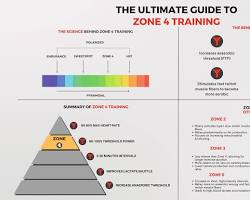
What Is Training Frequency?
To build a solid routine, it helps to break these two variables down into clear, simple terms. Training frequency refers strictly to the number of times you perform an exercise session within a specific timeframe, typically calculated over a single week.
It is the measure of your training consistency and exposure over time. For example, your current weekly frequency profile might look like one of these standard approaches:
- Low Frequency: $2\text{ workouts per week}$ (often utilized for basic maintenance or busy schedules).
- Moderate Frequency: $3\text{ workouts per week}$ (a classic, highly effective full-body or split template).
- High Frequency: $5\text{ or more workouts per week}$ (typically used by experienced athletes or individuals splitting their movement into highly targeted, shorter sessions).
At its core, frequency is simply a tool used to organize your weekly physical activity into manageable, structured time slots.
What Is Training Intensity?
While frequency tells us how often you move, training intensity measures the degree of physical effort, resistance, or difficulty packed into any given workout session. It describes how hard your body is working during that specific block of time.
                     ┌───────────────────────────────┐
                     │ THE INTENSITY SPECTRUM SCALES │
                     └───────────────┬───────────────┘
                                     ▼
         ┌──────────────────────────┼──────────────────────────┐
         ▼                          ▼                          ▼
┌─────────────────┐        ┌─────────────────┐        ┌─────────────────┐
│ LOW EXERTION    │        │ MODERATE EFFORT │        │ HIGH INTENSITY  │
│ A relaxed walk  │        │ A brisk walk or │        │ A maximum sprint│
│ or easy mobility │        │ steady, rhythmic│        │ or lifting heavy│
│ movement session│        │ cycling session │        │ barbell weights │
└─────────────────┘        └─────────────────┘        └─────────────────┘
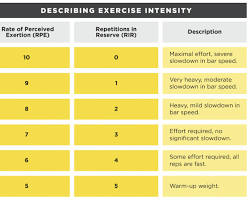
Intensity can be measured objectively—such as the exact percentage of your maximum heart rate or the amount of physical weight loaded onto a barbell. It can also be tracked subjectively based on your perceived rate of exertion.
The essential takeaway is that intensity and time share an inverse relationship: the higher your training intensity climbs, the shorter your workout session naturally needs to be, because your body can only maintain peak physical output for brief windows before experiencing deep muscular fatigue.
Why People Often Focus on the Wrong Question
The main reason fitness enthusiasts get stuck in endless debates over frequency versus intensity is that modern fitness culture often encourages us to search for a hidden, absolute formula while ignoring the bigger picture.
   [ Chasing the "Perfect" Split ] ──► Overcomplicating Variables ──► Early Dropout
   [ Prioritizing Adaptable Balance ] ──► Gradual Overload ──► Lifelong Consistency
- The Illusion of the Perfect Routine: Beginners often waste hours trying to copy the exact weekly schedule of elite competitive athletes, mistakenly believing that a specific number of days or a particular intensity level holds the secret to physical success.
- The Trap of Extreme Pushing: Many individuals become hyper-focused on making every single workout an all-out, exhausting experience, falsely assuming that if a session doesn’t leave them completely wiped out, it didn’t count toward their progress.
- Overlooking Real-World Consistency: By focusing entirely on isolated numbers or percentages, people frequently forget that the most effective training plan is always the one they can successfully stick to week after week, month after month, without burning out.
A Practical Observation About Sustainable Fitness
Through my background in laboratory science and public health, I have often noticed that people tend to search for the most effective workout while overlooking the importance of sustainability. In many cases, a training plan that can be maintained consistently may be more valuable than one that is difficult to follow long term.
Public health tracking data repeatedly demonstrates that fitness dropouts rarely occur because an individual chose the wrong training split or missed a specific heart rate zone. Instead, people drop out because they adopted an rigid, overly demanding program that simply didn’t fit into the realities of their daily lives.
  Rigid, High-Stress Program ──► Life Disruptions ──► Missed Sessions ──► Total Abandonment
  Flexible, Balanced Program ──► Easy Adjustments ──► Continuous Habits ──► Long-Term Progress
Whether you prefer fewer intense sessions or more frequent, moderate workouts, the magic happens when your routine forms an authentic, low-stress habit. The ultimate goal is to design a balanced lifestyle where physical movement feels supportive rather than overwhelming.
When Frequency Matters More
Focusing heavily on your weekly training frequency is an incredibly smart strategic choice under several specific real-world circumstances:
- Building New Lifestyle Habits: If you are transitioning away from a stationary routine, moving frequently—even for just $10\text{ to }15\text{ minutes}$ at a time—helps your brain wire exercise as a natural, non-negotiable part of your regular daily rhythm.
- Accumulating Basic Physical Activity: For general well-being and structural joint lubrication, spreading shorter, moderate movement sessions across 5 or 6 days is a brilliant way to keep your body feeling limber and agile.
- Beginners Mastering Basic Movements: Learning new movement patterns, like squats or hinges, requires neural practice. Training more frequently at a moderate, controlled pace gives your nervous system the recurrent practice it needs to lock in clean, safe form.
- Managing High Mental Stress: When your schedule is packed or mental fatigue is high, short, frequent, moderate workouts provide a welcoming physical release without adding heavy stress to your system.
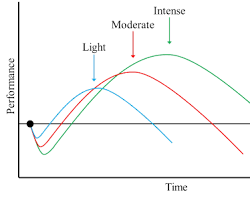
When Intensity Matters More
Conversely, dialing up your training intensity while scaling back your total weekly sessions is a highly effective approach in these common scenarios:
- Operating on Limited Weekly Time: If your professional career or family life only allows you to carve out two or three brief training windows per week, maximizing your physical effort during those short sessions ensures you still provide your body with a strong stimulus for progress.
- Chasing Specific Performance Goals: If your focus is centered on increasing raw physical strength or explosive power, your muscle fibers require heavy resistance and deep intent. This means your working sets must climb higher on the intensity scale.
- Intermediate and Advanced Training: As your body adapts to baseline exercise over several years, it requires a progressively stronger stimulus to trigger new physical adaptations. This makes structured periods of higher intensity essential for continuous development.
To master how to systematically introduce this vital physical stimulus to your muscles without overcomplicating your time in the gym, read FitBodySync’s Essential Guide to Progressive Overload Explained Simple.
Why Recovery Changes the Equation
You do not actually make progress during your workout; your body changes during the hours of deep rest, sleep, and recovery that follow your training. Every exercise session acts as a controlled stressor that temporarily breaks down muscle tissue and challenges your nervous system.
┌──────────────────────────────────────────────────────────────────────────┐
│ THE STRESS-ADAPTATION WAVE                                               │
│ • Step 1: Training Stimulus (Frequency + Intensity inflicts stress)       │
│ • Step 2: Systemic Recovery (Quality sleep, nutrition, and rest days)    │
│ • Step 3: Physical Adaptation (Body returns stronger and more resilient) │
└──────────────────────────────────────────────────────────────────────────┘
Your body can only transform that workout stress into positive structural adaptations if your total recovery capacity can keep up with the physical demands you place on it. If you choose to crank up your weekly training frequency and push your intensity to the absolute limit simultaneously, your body will eventually run out of the vital resources it needs to repair itself.
To ensure you aren’t accidentally crossing the line into chronic physical exhaustion, familiarize yourself with the structural warning signs outlined in FitBodySync’s Vital Checklist on the 7 Signs Your Body Needs More Recovery.
Common Training Variable Mistakes
To maximize your results while safeguarding your long-term joint health, avoid these highly common training variable traps:
Analysis of Common Training Errors
| Common Training Mistake | The Immediate Physical Impact | The Smart Programming Fix |
| Training Hard Every Single Day | • Chronic joint irritation, deep neural fatigue, and poor sleep quality. | • Alternate high-effort days with dedicated rest or low-impact active recovery days. |
| Doing Too Little, Too Often | • Stagnant physical progress due to a lack of meaningful muscular challenge. | • Ensure at least a few working sets per week genuinely challenge your current capabilities. |
| Completely Ignoring Recovery | • Delayed muscle soreness that never clears up, leading to performance plateaus. | • Treat nutrition, hydration, and 7-8 hours of quality sleep as essential parts of your routine. |
| Copying Someone Else’s Routine | • Unnecessary physical burnout because the plan doesn’t match your life demands. | • Customize your weekly training split around your personal schedule and current fitness levels. |
Real-World Training Scenarios
To see how these concepts fit together in everyday life, let’s look at three fictional individuals who balance frequency, intensity, and recovery in completely different ways.
Scenario A: The High-Intensity, Time-Efficient Path
- The Individual: A busy corporate manager with a demanding professional schedule.
- The Routine: 3 days per week of focused, high-intensity resistance training. Each session lasts 45 minutes and involves challenging, full-body movements.
- The Recovery: 4 full days of complete rest from formal training, accompanied by casual weekend walking.
- The Result: Excellent physical strength maintenance and muscle stimulation achieved with minimal weekly time commitment.
Scenario B: The High-Frequency, Moderate-Effort Path
- The Individual: A remote software engineer looking to break up a desk-bound lifestyle.
- The Routine: 5 days per week of short, 30-minute moderate-effort circuit training sessions. The physical intensity is kept under control to minimize heavy sweat or profound exhaustion.
- The Recovery: The lower intensity allows for quick, effortless overnight recovery, leaving the individual energized for work each morning.
- The Result: High weekly step counts, fantastic continuous joint mobility, and a resilient daily movement habit.
Scenario C: The Advanced, Balanced Training Split
- The Individual: A dedicated fitness enthusiast with several years of consistent training experience.
- The Routine: 4 days per week of balanced training. This individual wisely pairs two high-intensity lifting days with two moderate-intensity, aerobic-focused recovery sessions.
- The Recovery: Uses dedicated mid-week and weekend rest windows to allow structural tissues to completely repair.
- The Result: Steady, predictable progress in performance without encountering chronic joint discomfort or mental fatigue.
To discover how to seamlessly structure low-fatigue, moderate-intensity movement sessions into your open calendar slots to maximize your system’s baseline vitality, check out FitBodySync’s Definitive Guide to Zone 2 Cardio for Everyday Health.
What Exercise Science Suggests
Long-term fitness research provides a highly liberating takeaway for anyone designing a personal training split: as long as your total weekly training volume is matched, your body can make outstanding progress across a wide variety of combinations.
This means that performing 12 high-quality working sets for a muscle group split across two moderate sessions per week can produce remarkably similar physical adaptations to performing those exact same 12 sets packed into one longer, higher-intensity workout.
Your muscles respond directly to total tension and progressive challenge over time. You don’t need to stress over finding a rigid, universal formula; science grants you full permission to adapt your frequency and intensity to build a routine that naturally fits your personal schedule.
Finding Your Personal Training Framework
To discover the ideal training configuration for your current stage of life, take a few minutes to evaluate your routine using these four practical, self-reflective guideposts:
                  ┌──────────────────────────────────────────────┐
                  │       THE REAL-WORLD TRAINING ROADMAP        │
                  └──────────────────────┬───────────────────────┘
                                         │
     ┌───────────────────┬───────────────┴───┬───────────────────┐
     ▼                   ▼                   ▼                   ▼
┌──────────────┐   ┌──────────────┐   ┌──────────────┐   ┌──────────────┐
│ RECOVERY AUDIT│   │ CALENDAR CHECK│   │ PROGRESS TRACK│   │ JOY FACTOR   │
│ Are your     │   │ Can you keep │   │ Is your real │   │ Do you truly │
│ joints fresh │   │ this weekly  │   │ performance  │   │ look forward │
│ and sleep    │   │ schedule for │   │ improving    │   │ to doing this│
│ deeply sound?│   │ six months?  │   │ step-by-step?│   │ weekly split?│
└──────────────┘   └──────────────┘   └───────────-──┘   └──────────────┘
- Am I truly recovering well? If you wake up feeling constantly exhausted, or if minor joint tweaks are turning into lingering aches, your current combination of frequency and intensity is out-pacing your recovery. It’s time to scale back one of the dials.
- Can I realistically maintain this schedule for the next six months? If your current fitness plan requires a perfect calendar alignment that leaves absolutely zero room for unexpected work tasks or family demands, it is inherently fragile. Aim to build a buffer into your schedule.
- Is my actual performance improving over time? If you have hit a long-term performance plateau where you can’t seem to add a single repetition or step to your tracking log, your body has likely adapted to your current stimulus. You may need a structured increase in intensity or a strategic shift in frequency.
- Do I genuinely enjoy my weekly setup? This is the ultimate test. If you naturally look forward to short, daily movement sessions, a high-frequency approach is your perfect match. If you prefer to get in, work hard, and wrap things up in fewer weekly sessions, lean into a lower-frequency, high-intensity template.
Myth vs. Reality
Myth: Working out more days per week is always superior to working out fewer days.
Reality: More is only better if your body can successfully adapt to the workload. An extra workout session that pushes you past your recovery limit will actually impair your physical progress. Rest days are when your tissues grow stronger.
Myth: Every single workout needs to be high-intensity and completely exhausting to count.
Reality: Different intensity levels serve entirely different purposes. High-intensity sessions stimulate power and strength, while lower-intensity, moderate movement sessions develop baseline aerobic capacity, support tissue repair, and build lifestyle consistency.
To explore how to properly utilize low-stress, movement-focused sessions between your high-intensity training windows to actively flush out metabolic waste products and accelerate your physical rejuvenation, dive into FitBodySync’s Complete Blueprint on the Science of Active Recovery.
Frequently Asked Questions (FAQ)
1. What is the difference between training frequency and training intensity?
Training frequency is the total number of workout sessions you perform within a week, while training intensity represents the amount of physical effort, resistance, or difficulty packed into each individual workout.
2. Is it better for a beginner to focus on frequency or intensity?
Beginners should almost always prioritize training frequency at a moderate, controlled intensity. Moving more frequently helps establish a sustainable habit, refines nervous system control, and allows you to practice safe movement form without overloading your joints.
3. Can I train every single day if my workouts are brief?
Yes, you can move every day provided your intensity is kept at a low-to-moderate level. Short daily walks, light mobility work, or casual cycling can be performed frequently because they cause very little muscular damage and require minimal recovery time.
4. How do I know if my training intensity is too high?
Key signs that your intensity is exceeding your recovery capacity include lingering joint pain, a sudden drop in performance, chronic sleep disruptions, persistent mental irritability, and muscle soreness that takes more than 72 hours to clear up.
5. If I can only train twice a week, can I still make physical progress?
Absolutely. If your weekly frequency is low, you can maximize your results by focusing on full-body movements and safely increasing your training intensity during those two sessions to ensure your muscles receive a meaningful stimulus for growth.
Conclusion
Training frequency and training intensity are often presented as competing ideas, but both play vital roles in your fitness journey. Rather than trying to crown one variable as more important than the other, true physical mastery comes from learning how to balance both dials to suit your current season of life.
Stepping away from rigid, all-or-nothing mindsets allows you to view your fitness routine as an adaptable, evolving structure. If your calendar opens up and you crave routine, embrace a higher frequency with moderate, sustainable intensity. If a busy lifestyle restricts your free time, pivot confidently to a streamlined, lower-frequency plan centered on high-quality, focused effort.
By keeping your personal recovery capacity at the center of your training design, you ensure that your fitness program remains supportive, rewarding, and built to deliver continuous progress for decades to come.
Disclaimer: The information provided in this article is for educational and informational purposes only and is not intended as medical or professional health advice. Always consult with a qualified healthcare professional or fitness specialist before initiating a new exercise program, shifting your training variables, or significantly altering your physical exertion levels.
References
- American College of Sports Medicine (ACSM): Position Stands on Quantity and Quality of Exercise for Developing and Maintaining Fitness in Healthy Adults
- National Strength and Conditioning Association (NSCA): Principles of Strength Training, Variable Periodization, and Exercise Intensity Scaling Models
- Centers for Disease Control and Prevention (CDC): Physical Activity Guidelines for Adults, Weekly Cumulative Volume Standards, and Consistency Tracking
- Journal of Sports Sciences: Systematic Reviews on the Effects of Training Frequency vs. Volume Adjustments on Musculoskeletal Adaptations
Next Step: Find Your Metabolic Bottleneck
Are you a Stalled Optimizer or a Metabolic Warrior? Stop guessing and start signaling.
To find out which of your 4 biological pillars is stalling your progress, take our 2-minute diagnostic:
Take the 2026 Bio-Recovery AuditDiscover your score across the 4 Pillars of Performance: Engine, Armor, Cleanup, and Repair.