

Many people believe that recovery means doing absolutely nothing between workouts. They assume that after a demanding training session, the optimal path to muscle repair involves complete immobility—lying on a couch or avoiding physical movement entirely until the next scheduled workout. While complete rest can be helpful in situations involving acute injury or systemic illness, active recovery offers a far more effective approach for the everyday athlete.
Light, structured movement performed between intense training sessions may help support circulation, reduce muscle stiffness, and make it easier to return to your next exercise block feeling refreshed and ready to perform.
THE RECOVERY PARADIGM SHIFT
🛋️ PASSIVE RECOVERY — Total Immobility & Static Sitting – Can Lead to Localized Stiffness & Stagnation
🚶 ACTIVE RECOVERY — Low-Intensity, Non-Fatiguing Movement – Promotes Systemic Circulation & Repair
In our modern life across the United States, United Kingdom, Canada, Singapore, and Australia, we often oscillate between two extremes: intense, high-stress exercise sessions and hours of sedentary desk work. This sudden drop in activity can leave muscles feeling tight and joints feeling congested.
By understanding the physiological mechanisms behind active recovery, you can transform your non-training days from wasted, stationary time into an intentional system for metabolic clearing, performance longevity, and sustainable habit building.
What Is Active Recovery?
Active recovery refers to the practice of performing low-intensity, non-fatiguing physical activity specifically designed to assist the body in recovering from intense exercise. Unlike a standard training session, the objective of active recovery is not to build muscular hypertrophy, increase metabolic conditioning, or push your physical limits. Instead, it aims to stimulate your physiological systems gently without adding any additional structural or neural stress.
To differentiate clearly between your training options, consider these examples:
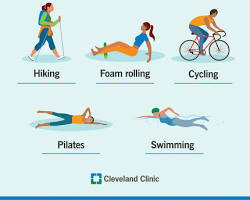
- Active Recovery: Engaging in a low-intensity $20\text{-to-}30\text{-minute}$ outdoor walk, a relaxed, low-resistance cycling session, targeted mobility flows, or gentle swimming.
- Passive Recovery (Complete Rest): Shifting to total physical rest with no structured or intentional physical activity, allowing your musculoskeletal system complete time away from movement demands.
The primary difference lies in the metabolic cost of the activity. Active recovery keeps your heart rate within a gentle, aerobic baseline—typically below $60\%\text{ of your maximum heart rate}$—ensuring that your body receives all the circulatory benefits of movement without triggering any inflammatory response or requiring deep cellular repair.
What Happens Inside the Body After Exercise?
To appreciate why active recovery is so effective, we must look at what happens inside your muscle tissue and metabolic pathways during and immediately after a demanding workout.
POST-EXERCISE MUSCLE CELL
CELLULAR STRESS ENERGETIC DECAY THE REPAIR WAVE
– Microscopic – Glycogen Depletion – Localized Blood
– Sarcomere Tears – Adenosine Loss – Flow Clears
When you perform resistance training or intense cardiovascular exercise, your body experiences several distinct physiological changes:
- Microscopic Cellular Stress: Heavy loading creates tiny, microscopic tears within the sarcomeres (the functional units of your muscle fibers). This micro-trauma triggers a localized inflammatory response, which is a necessary step for your muscles to adapt and grow stronger.
- Energetic Depletion: Your active muscles rapidly drain their stored energy reserves, particularly intramuscular glycogen and high-energy phosphate compounds.
- The Accumulation of Metabolic Byproducts: High-intensity contractions produce cellular waste products, including hydrogen ions and metabolic debris, which temporarily alter the pH balance inside your muscle cells.

The Adaptation and Healing Process
Once your training session ends, your body immediately shifts its resources toward cellular repair and structural adaptation. This process requires a continuous supply of oxygen, amino acids, and vital nutrients delivered directly to the stressed tissues.
This is where the power of low-level movement comes into play. While sitting still can allow circulation to pool in your lower extremities, a gentle, active recovery protocol utilizes your body’s natural muscle pumps to keep blood moving smoothly, supporting the delivery of the raw materials your cells need to rebuild.
A Public Health Perspective on Recovery
Through my background in laboratory science and public health, I have often noticed that public fitness discussions tend to focus heavily on the intensity of the exercise itself while paying far less attention to sustainable recovery habits. People often obsess over tracking their workout metrics, burning calories, or pushing their bodies to absolute exhaustion. However, public health data clearly shows that long-term consistency is much easier to maintain when physical training and lifestyle recovery habits are balanced appropriately.
High Intensity Focus ] – Chronic Fatigue – Inconsistent Training Habits
Balanced Recovery Focus ] – Systemic Adaptation – Long-Term Sustainable Health
Physical activity is incredibly important, but allowing your body the appropriate time and environment to adapt between training sessions is what actually locks in those health benefits. When we analyze population-level compliance with exercise programs, the primary reason individuals drop out is not a lack of initial motivation—it is the accumulation of chronic fatigue, persistent joint stiffness, and unmanaged physical burnout.
Promoting active recovery from a public health standpoint shifts our focus away from short-term exhaustion and toward long-term physical resilience, ensuring that movement remains a healthy, supportive, and accessible part of your daily life.
Potential Benefits of Active Recovery
Implementing a structured, low-intensity recovery protocol between your primary workouts provides several systemic benefits that support both your physical capability and your mental focus.
- Reduced Localized Muscle Stiffness: Gentle, rhythmic movement keeps your joints moving smoothly through their full range of motion. This prevents the tight, restrictive feeling that often sets in after a heavy lifting session or a long day of sitting at a desk.
- Improved Systemic Circulation: Low-level aerobic activity gently raises your heart rate and dilates your blood vessels. This increased blood flow speeds up the transportation of nutrients to recovering muscles and assists in clearing out accumulated metabolic waste.
- Maintaining Healthy Movement Habits: On days when you aren’t performing a heavy workout, dedicating time to active recovery keeps you connected to your daily movement routine. This consistency makes it much easier to stick to your long-term habits without experiencing a dip in motivation.
- Psychological Refreshment: High-intensity training demands a significant amount of mental focus and central nervous system drive. Engaging in a low-stress walk or a gentle stretch session provides a welcome mental break, reducing stress and helping your nervous system transition into a calm, restorative state.
- An Easier Transition Back to Training: Keeping your body gently active between intense workouts ensures that your joints stay lubricated and your nervous system remains responsive. This makes warming up for your next heavy training session feel significantly smoother and more comfortable.
Active Recovery vs. Complete Rest
To maximize your physical longevity, it is important to understand when to use active recovery and when your body genuinely requires complete, passive rest.
Strategic Comparison Matrix: Recovery Classifications
| Feature Component | Active Recovery Protocol | Complete Rest (Passive Recovery) |
| Movement Structure | • Low-intensity, non-fatiguing movement. | • No structured or planned physical activity. |
| Primary Mechanism | • Utilizes muscle pumps to boost circulation. | • Minimizes physical demands to save energy. |
| Joint Mobility | • Actively maintains flexibility and joint health. | • Focuses entirely on structural rest. |
| Optimal Use Case | • Ideal after moderate, standard workouts. | • Necessary during intense fatigue or illness. |
| Nervous System | • Gently balances autonomic nervous activity. | • Deeply calms the central nervous system. |
As a general rule, if you are experiencing standard, localized muscle soreness from a solid workout, active recovery is usually your best choice. However, if you are facing systemic exhaustion, a high resting heart rate, poor sleep, or the early signs of an illness, your body is telling you that its immune and nervous systems are under load. In those moments, complete passive rest is the most effective tool to restore your health.
Common Active Recovery Activities
When planning an active recovery day, pick low-impact activities that bring you enjoyment and do not cause any additional physical or mental stress.
 THE ACTIVE RECOVERY OPTIONS
• Outdoor Walking: Foundational, low-impact aerobic circulation
 • Focused Mobility Work: Gentle joint lubrication and structural care
 • Low-Resistance Cycling: Rhythmic, impact-free lower-body blood flow
1. Functional Outdoor Walking
Walking is the ultimate foundational tool for active recovery. It is accessible, requires no special equipment, and keeps your heart rate perfectly within a low-level aerobic zone. Walking outdoors on a natural trail provides the added benefit of psychological relaxation, lowering stress hormones while keeping your lower-body joints moving smoothly.
2. Focused Mobility and Flexibility Flows
Spending time on targeted mobility exercises—such as hip openings, gentle thoracic spine rotations, and calf stretches—helps restore natural joint movement. This light stretching reduces tension in the fascia and connective tissues, easing muscle tightness without causing any structural fatigue.
3. Low-Resistance Cycling
Using a stationary or road bike with very light resistance is an exceptional way to flush out your legs. The smooth, circular motion of cycling keeps your knees and hips moving through a healthy range of motion without the impact forces of running, making it a great tool after a heavy leg day.
4. Gentle Swimming or Water Aerobics
The natural buoyancy of water removes virtually all gravitational stress from your joints. Completing a few relaxed laps in a pool provides a gentle, full-body vascular flush, using the hydrostatic pressure of the water to naturally support circulation and reduce swelling.
5. Restorative Yoga
Participating in a gentle, slow-paced yoga practice focuses heavily on mindful breathing, core stability, and light stretching. This style of movement is fantastic for down-regulating your nervous system, guiding your body out of a stressed fight-or-flight state and into a restorative rest-and-digest mode.
Signs You May Benefit From Active Recovery
Your body continuously communicates its recovery status through distinct physical and mental signals. Recognizing these cues helps you pivot from complete sedentarism toward intentional active recovery:
- Mild to Moderate Muscle Soreness: Experiencing Delayed Onset Muscle Soreness (DOMS) after a solid training session is a classic indicator that your tissues will welcome the increased blood flow of a light walk.
- General Joint Stiffness Upon Waking: If your knees, hips, or lower back feel uncomfortably tight when you get out of bed, your body is asking for gentle movement to lubricate the joints.
- A Feeling of Modern Sluggishness: Feeling mentally foggy or physically heavy after spending hours sitting at an office desk is often a sign of reduced circulation, which a light recovery session can quickly clear.
- An Unconscious Drop in Daily Movement: Catching yourself sitting completely still for hours on end can cause localized pooling of blood and fluid retention, making an active recovery interval highly beneficial.
Common Mistakes to Avoid on Recovery Days
The single biggest reason people fail to see results from an active recovery day is that they allow their competitive nature to take over, accidentally turning a restorative session into another intense workout.
  THE INTENSITY TRAP
   Intentional Active Recovery -Pushed Too Fast/Hard -Crosses Anaerobic Threshold - Additional Training Stress
To protect your recovery windows, ensure you avoid these common pitfalls:
- Turning Your Recovery Into an Intense Workout: Pushing your pace during a recovery run or adding heavy resistance on a stationary bike pushes your body out of the aerobic recovery zone and into an anaerobic state, adding more stress to already tired muscles.
- Completely Ignoring Quality Sleep: Active recovery works in tandem with rest; it cannot replace it. If you are sleeping poorly, a light walk cannot fix the cellular debt caused by missing out on deep, overnight sleep stages.
- Allowing Intensity to Creep Up Systematically: Letting your heart rate climb past your comfortable aerobic baseline during a recovery session re-engages your stress response, stalling your recovery progress.
- Skipping Proper Hydration Protocols: Cellular repair requires plenty of water to transport vital nutrients. Forgetting to drink clean water on your rest days slows down your body’s natural healing processes.
- Believing Recovery Days are Unnecessary: Assuming that your body can train hard day after day without intentional rest eventually leads to chronic fatigue, joint pain, and an inevitable drop in physical performance.
A Sample Active Recovery Day Template
To help you put these principles into action, here is a practical, highly accessible active recovery day schedule that you can use on your non-training days to support your health and longevity.
The FitBodySync Balanced Active Recovery Blueprint
🌅 THE MORNING CIRCULATION FLUSH (Immediately Post-Waking)
─ Activity: 20-Minute Outdoor Walk
    ─ Pace: Conversational and relaxed (Zone 1)
    ─ Objective: Secure early sunlight, activate the calf muscle pump, and wake up the body.

☀️ THE MIDDAY ALIGNMENT BLOCK (Perfect for an Office Lunch Break)
─ Activity: 10 Minutes of Seated or Standing Mobility
    ─ Movements: Gentle neck rolls, shoulder circles, and hip flexor stretches.
    ── Objective: Break up long blocks of sitting and restore blood flow to your spine.

🌆 THE EVENING RESTORATIVE FLOW (Pre-Bedtime Wind Down)
── Activity: 15 Minutes of Gentle Stretching or Restorative Yoga
    ── Focus: Deep, slow breathing while holding holds like Child's Pose or Hamstring Stretches.
    ── Objective: Calm your nervous system, lower stress, and prepare your body for deep sleep.
Why Consistency Matters More Than Intensity
In the realm of physical longevity, the long-term consistency of your movement patterns matters infinitely more than the extreme intensity of any single workout. Your body does not improve during the actual training session; it adapts and grows stronger during the hours of recovery that follow.
[ Extreme Workouts + Zero Recovery ] ─ Increased Risk of Chronic Fatigue & Injury
[ Balanced Training + Active Recovery ] ─ Long-Term Joint Health & Sustainable Fitness
If your fitness strategy relies on pushing your body to absolute exhaustion without giving equal care to your recovery, you are building a foundation on shaky ground. Embracing active recovery allows you to maintain a healthy, lifelong relationship with exercise, protecting your joints and keeping your energy high for decades to come.
To discover how managing your training consistency supports your lower-body skeletal health, read FitBodySync’s Comprehensive Guide to Building Leg Strength.
Frequently Asked Questions (FAQ)
1. What exactly is the core difference between active and passive recovery?
Active recovery utilizes low-intensity, non-fatiguing movements—like a gentle walk or light stretch—to boost circulation and support muscle repair. Passive recovery involves complete physical rest with no structured movement, which is ideal when dealing with extreme exhaustion, injury, or illness.
2. Is a standard daily walk considered an effective active recovery tool?
Yes, a casual or brisk walk is one of the most effective active recovery activities available. It keeps your heart rate perfectly within a low-stress aerobic zone, increases systemic circulation, and supports joint mobility without adding any structural fatigue to your muscles.
3. How often should I include an active recovery day in my fitness routine?
Most individuals benefit greatly from scheduling 1 to 2 active recovery days per week, typically positioned the day after an exceptionally demanding workout or heavy weight-lifting session to assist in clearing muscle stiffness.
4. Can an active recovery session completely replace a true rest day?
No, active recovery is designed to complement complete rest days, not replace them. Your central nervous system and immune system require occasional days of true, passive rest to fully recover from the accumulated stress of regular, intense training.
5. Is a simple stretching routine enough to count as active recovery?
Yes, dedicated mobility work, light stretching, or restorative yoga flows are fantastic forms of active recovery. They help relieve localized tension in your muscles and fascia, improve your flexibility, and transition your nervous system into a calm, healing state.
Conclusion
The science of active recovery highlights a vital truth in human biology: optimizing your health is just as much about managing your rest as it is about pushing your performance. True fitness is not a continuous cycle of physical exhaustion; it is a balanced, rhythmic dance between structured training stress and intentional physiological care.
By stepping away from the outdated belief that rest means complete immobility, you can use the power of low-intensity movement to support your body’s natural healing systems. Engaging in regular walks, mobility flows, and gentle movement on your non-training days does far more than simply reduce tomorrow’s muscle soreness. It protects your joints, supports your metabolic health, calms your nervous system, and builds a sustainable foundation for lifelong health and physical independence.
References
- American College of Sports Medicine (ACSM): Impact of Low-Intensity Exercise on Post-Exercise Muscle Recovery and Clearance of Metabolic Byproducts
- National Institutes of Health (NIH): The Role of Active Recovery in Modulating Autonomic Nervous System Balance and Tissue Repair Mechanisms
- Centers for Disease Control and Prevention (CDC): Physical Activity Resources for Building Long-Term Musculoskeletal Resilience and Functional Autonomy
- World Health Organization (WHO): Global Guidelines on Physical Activity for Sedentary Populations and Longevity Optimization
Disclaimer: The information provided in this article is for educational and informational purposes only and is not intended as medical or professional health advice. Always consult with a qualified healthcare professional or physician before beginning any new exercise program, making changes to your recovery protocols, or addressing chronic fatigue or physical injuries.
Next Step: Find Your Metabolic Bottleneck
Are you a Stalled Optimizer or a Metabolic Warrior? Stop guessing and start signaling.
To find out which of your 4 biological pillars is stalling your progress, take our 2-minute diagnostic:
Take the 2026 Bio-Recovery AuditDiscover your score across the 4 Pillars of Performance: Engine, Armor, Cleanup, and Repair.