

Which meal do you find hardest to include protein in consistently? Many beginners start workouts with excitement but feel confused when it comes to nutrition—especially protein. Some people eat too little and feel tired, while others overdo it hoping for faster results.
Knowing how to plan protein intake for fat loss and muscle gain matters because protein supports both energy and recovery when you train regularly. This guide is designed for beginners who want clarity without complicated calculations or strict dieting. The goal is to help you understand how protein fits into your daily routine in a practical way. From my experience, simple and consistent protein habits are much easier to follow than extreme plans, especially when you’re just starting your fitness journey.
This article is regularly updated to reflect current fitness and nutrition practices in 2026.
Who This Guide Is For
- Beginners starting workouts for fat loss or muscle gain
- People confused about how much protein they actually need
- Anyone looking for simple, sustainable nutrition habits
Who Should Be Careful
- Individuals with medical conditions affecting diet should seek personal guidance
Why Protein Planning Is Confusing for Beginners
Most beginners hear that protein is important but don’t know how to apply it. Social media often pushes extreme protein numbers, supplements, or rigid meal plans. This leads to confusion, inconsistency, or frustration. Many people either under-eat protein and feel weak or over-focus on protein while ignoring overall balance. What usually goes wrong is trying to follow advanced athlete advice instead of beginner-friendly guidance that fits real life.
Protein Intake for Fat Loss and Muscle Gain – What Actually Helps
1. Understand Protein’s Role in Your Fitness Goals
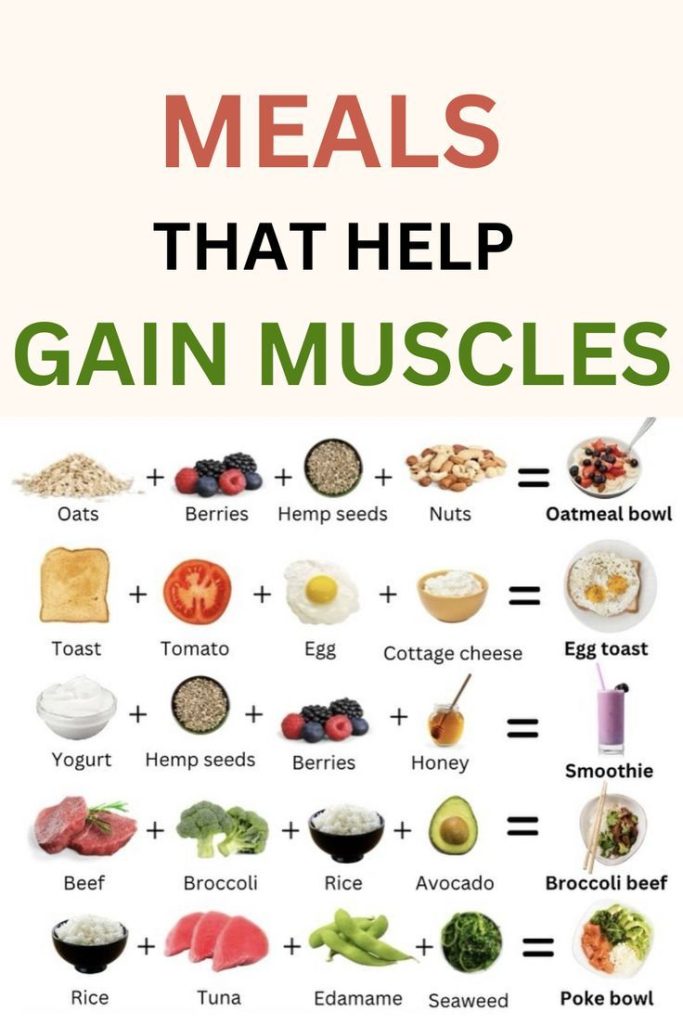
Protein helps support muscle maintenance and recovery while also keeping you feeling fuller for longer. During fat loss, it can support lean mass, and during muscle gain, it supports repair after workouts. You don’t need extreme amounts—just consistent intake aligned with your activity level.
2. Match Protein Intake to Your Activity Level
Beginners who train lightly don’t need the same protein as advanced lifters. Regular workouts, walking, or home exercises require moderate protein spread across the day. This fits naturally into breakfast, lunch, and dinner without stressing over numbers.
3. Spread Protein Across the Day
Instead of eating most protein in one meal, spreading it across meals supports better daily balance. Including protein at each main meal makes it easier to stay consistent and avoids energy crashes.
4. Don’t Skip Protein on Rest Days
Many beginners think protein is only needed on workout days. In reality, rest days are when recovery happens. Keeping protein intake steady on rest days supports muscle repair and helps maintain routine consistency.
5. Focus on Food First, Supplements Later
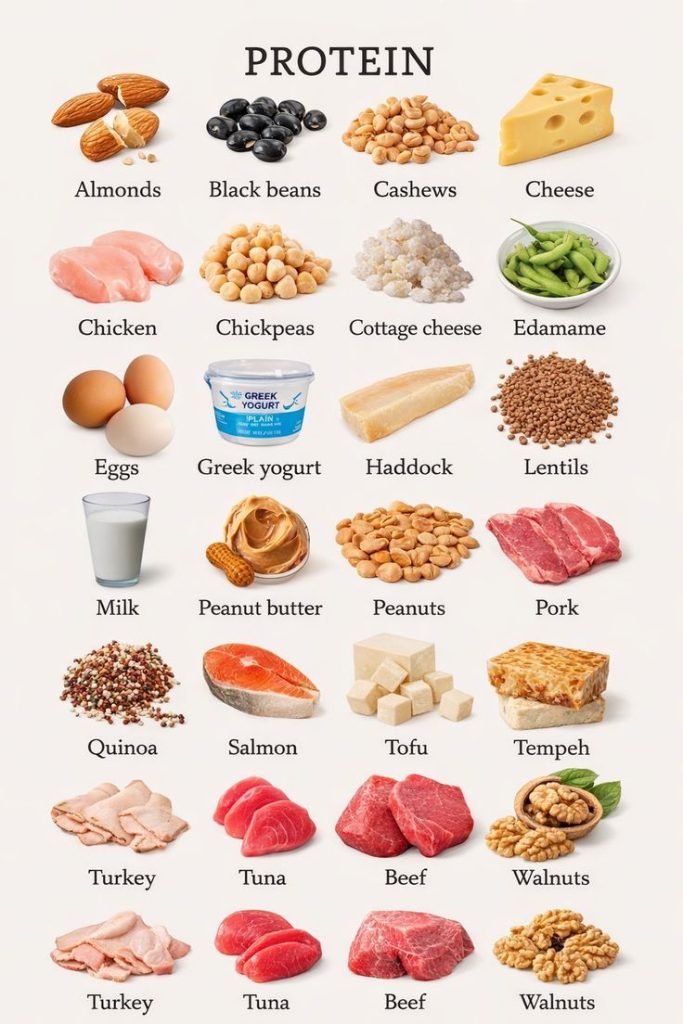
Whole foods make protein planning easier and more sustainable. Supplements can be optional, not mandatory. Beginners often succeed better when they focus on regular meals instead of relying on powders or shakes.
6. Avoid Extreme Protein Diets
Very high protein plans can be hard to maintain and unnecessary for beginners. A balanced approach supports long-term habits and keeps fitness enjoyable rather than stressful.
7. Stay Consistent, Not Perfect
You don’t need to hit exact numbers every day. What matters most is overall consistency across weeks. I have seen this work for many people when protein intake is kept simple and repeatable.
🔹 REALITY CHECK
Results vary from person to person.
Small, steady improvements matter more than aggressive changes.
Consistency supports long-term fitness progress more than perfection.
Quick Reference Protein Planning Checklist
| Habit | How Often | Beginner-Friendly |
| Include protein in meals | Daily | Yes |
| Spread protein evenly | Daily | Yes |
| Eat protein on rest days | Weekly | Yes |
| Focus on whole foods | Daily | Yes |
What Results Can You Expect Over Time?
- May help support workout recovery
- Can support muscle maintenance during fat loss
- Often improves energy and workout consistency
- Helps beginners feel more structured with nutrition
(No timelines or promises)
Final Takeaway
Protein planning doesn’t need to be complicated to be effective. When beginners focus on simple, repeatable habits, nutrition becomes easier to manage. Small, consistent choices support both fat loss and muscle gain over time. The goal is progress, not perfection. Build habits that fit your lifestyle and workouts.
Small Steps Matter
Start by adding protein to one meal today.
Bookmark this guide for reference.
Read a related beginner workout or recovery post on FitBodySync.
Also Read : Beginner Exercise Plan: 15 Minutes a Day to Get Started Safely
Easy Fitness Routine for Beginners: No Equipment Needed (Start at Home)
How to Get Fit at Home: Beginner’s Edition | Simple Home Fitness Guide
Simple Fitness Habits to Kickstart Your Health | Beginner-Friendly Guide
Fitness Tips for Beginners Who Don’t Know Where to Start | Easy Start Guide
Step-by-Step Beginner Fitness Guide for Busy People | Quick & Easy Workouts
FAQs
Q1: Is protein intake for fat loss and muscle gain different?
A: The core approach is similar—consistent protein intake supports both goals while workouts determine how it’s used.
Q2: Do beginners need protein supplements?
A: No, supplements are optional. Many beginners meet protein needs through regular meals.
Q3: Can protein intake for fat loss and muscle gain be simple?
A: Yes, focusing on consistent daily meals makes protein planning easier and more sustainable.
Next Step: Find Your Metabolic Bottleneck
Are you a Stalled Optimizer or a Metabolic Warrior? Stop guessing and start signaling.
To find out which of your 4 biological pillars is stalling your progress, take our 2-minute diagnostic:
Take the 2026 Bio-Recovery AuditDiscover your score across the 4 Pillars of Performance: Engine, Armor, Cleanup, and Repair.