

Introduction
Inflammation is a natural process that helps the body heal. When you experience a physical injury, contract an illness, or undergo intense exercise, your immune system initiates a highly controlled inflammatory cascade designed to clear out damaged cells, fight off pathogens, and repair structural tissue. Without this vital biological response, your body would never be able to adapt to physical stress or recover from daily wear and tear.
But when inflammation becomes chronic, it can negatively affect multiple biological systems:
- Recovery speed: Your muscles, joints, and tendons stay in a state of constant irritation, drastically slowing down cellular repair cycles.
- Fat loss progress: Systemic immune stress interferes with fat-burning pathways, trapping your body in a defensive state that resists weight loss.
- Energy levels: Chronic cellular stress exhausts your mitochondria, causing profound daily fatigue and persistent mental fog.
- Long-term health: Over time, unmanaged systemic stress degrades your arterial linings, destabilizes your organs, and accelerates tissue degeneration.
This is especially important after 40, when recovery becomes slower and the body becomes more sensitive to stress. During my 6+ years working within clinical public health systems and primary health centers, including NRHM facilities, I routinely evaluated blood panels for middle-aged individuals who felt chronically exhausted. A pattern I observed continuously was that patients with poor lifestyle recovery habits presented with highly elevated inflammatory markers. They assumed their lack of progress and rising joint pain were just natural side effects of getting older. The clinical reality, however, is that managing your inflammatory baseline is the ultimate secret to unlocking consistent fat loss and protecting your physical longevity.

🔬 What is Chronic Inflammation?
To successfully manage this internal environment, we must clearly separate the two distinct faces of our immune response. Inflammation is the body’s immune response to stress, injury, or imbalance, but it operates in two entirely different modes:
🟢 Acute inflammation:
- Short-term: It fires up rapidly in response to a specific, immediate stressor or injury.
- Helps healing: It orchestrates a targeted delivery of white blood cells and nutrients directly to the affected tissue site.
- Normal and beneficial: It is a vital, healthy, and self-limiting mechanism that shuts down as soon as cellular repair is complete.
🔴 Chronic inflammation:
- Long-term: It acts like a low-grade, silent fire that burns throughout your entire body for months or years without resolving.
- Damages tissues: Because the immune system never receives the signal to stand down, it begins mistakenly attacking healthy, normal cells.
- Slows recovery: It keeps your nervous and metabolic systems under continuous friction, preventing deep tissue regeneration.
- Linked to aging diseases: It acts as the foundational catalyst for modern metabolic disorders, joint degradation, and vascular conditions.
🧓 Inflammation and Aging
Chronic inflammation is often called “inflammaging” in science. This specialized term describes a state of continuous, age-related upregulation of the immune system that accelerates biological decay. It contributes to multiple systemic issues:
- Faster cellular aging: Constant inflammatory stress forces healthy cells to enter a state of senescent arrest, where they stop dividing and leak toxic compounds into surrounding tissues.
- Reduced muscle recovery: High baseline inflammation blocks muscle protein synthesis, making it incredibly difficult to repair and retain active lean tissue after exercise. To learn how to use controlled tempos to send a clean growth signal to your muscles without overloading an already inflamed frame, explore our comprehensive guide on time-under-tension training.
- Joint stiffness: Inflammatory cytokines infiltrate your synovial fluid, breaking down protective cartilage and causing daily joint friction and pain.
- Increased disease risk: This continuous internal friction damages your cardiovascular lining and destabilizes metabolic pathways.
Managing inflammation is a key part of healthy aging, serving as the essential foundation for extending your active, vibrant healthspan.
🔥 How Inflammation Affects Fat Loss
Many people assume that weight management is a simple matter of tracking calories. However, high inflammation can interfere with fat loss by severely disrupting your underlying hormonal chemistry:
- Disrupting insulin sensitivity: Inflammatory signaling proteins block the insulin receptors on your muscle cells. This leaves glucose trapped in your bloodstream and forces your body to overproduce insulin, which completely locks your fat cells against releasing energy. To understand how to repair this specific cellular lock, read our guide on Metabolic Health Explained: How Insulin Sensitivity Affects Fat Loss, Energy, and Aging.
- Increasing fat storage signals: High systemic inflammation alters your brain’s metabolic setpoint, signaling your body to aggressively protect and store its energy reserves, particularly inside the deep visceral abdominal cavity.
- Raising cortisol levels: Immune stress triggers a continuous release of your primary stress hormone, cortisol. Elevated cortisol actively drives up sugar cravings while simultaneously breaking down lean muscle mass.
- Reducing energy levels: When your cells are constantly fighting off internal inflammation, your baseline energy levels plunge, making you instinctively reduce your daily physical activity.
This makes fat loss more difficult even with good diet and exercise. If you feel like your progress has hit a stubborn wall despite doing everything right, you can easily troubleshoot this block using our blueprint on Why Fat Loss Stops After 40: Common Plateau Reasons and How to Fix Them.
🏋️ Recovery and Inflammation Connection
The relationship between training and your immune system is a balancing act. Poor recovery increases inflammation, turning a healthy exercise stimulus into a chronic physical burden. Signs include:
- Persistent soreness: Feeling deep muscular pain that lasts for several days, indicating that your body lacks the resources to repair cellular micro-tears.
- Low energy: Waking up feeling drained and experiencing severe energy crashes in the middle of the afternoon.
- Poor sleep: Struggling to fall asleep or tossing and turning, which happens when an overactive sympathetic nervous system keeps your stress hormones spiked at night.
- Decreased performance: Noticing a progressive drop in your strength, endurance, and mental drive during your workouts.
Proper recovery reduces inflammation and improves training results, allowing your body to adapt cleanly to exercise, burn fat efficiently, and build resilient lean tissue.
📊 The Chronic Inflammation & Recovery Matrix
To shift your health strategy from guesswork to precise, data-driven analysis, track these core inflammatory and metabolic markers through regular blood panels:
| Diagnostic Biomarker | High-Stress Aging Range | Target Longevity Range | What It Tells Us About Your Recovery |
| High-Sensitivity CRP (hs-CRP) | Above 3.0 mg/L | Under 0.5 mg/L | Directly tracks the level of active, low-grade systemic inflammaging inside your body. |
| Fasting Blood Insulin | Above 12.0 uIU/mL | 2.0 – 5.0 uIU/mL | Measures how hard your pancreas is working due to underlying inflammatory insulin blockages. |
| WBC (White Blood Cell Count) | Above 9.0 x10^3/uL | 4.5 – 6.5 x10^3/uL | Indicates whether your immune system is trapped in a continuous, low-grade state of activation. |
| Fasting Cortisol | Above 22.0 mcg/dL | 6.0 – 12.0 mcg/dL | Measures the baseline level of adrenal stress and systemic recovery breakdown. |
🥗 1. Anti-Inflammatory Nutrition
Your daily food choices provide the raw chemical signals that either fan the flames of internal inflammation or help put them out.
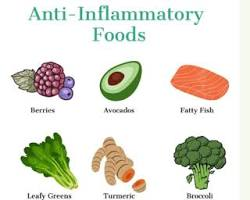
Foods that help reduce inflammation:
- Fruits (berries, oranges): Packed with powerful phytochemicals and anthocyanins that neutralize cellular oxidative stress and protect your vascular walls.
- Vegetables (leafy greens): Provide massive amounts of magnesium and fat-soluble vitamins that suppress pro-inflammatory signaling pathways.
- Omega-3 fats (fish, flaxseed): Act as direct structural components for manufacturing anti-inflammatory signaling molecules inside your cell walls.
- Spices (turmeric, ginger): Contain active natural compounds like curcumin that inhibit the master inflammatory switch known as NF-kB.
Avoid excessive:
- Ultra-processed foods: These products are loaded with industrial additives that irritate your digestive tract and spark systemic immune reactions.
- Trans fats: These modified fats alter your cholesterol profile and trigger immediate inflammatory stress inside your arterial linings.
- Sugary foods: Large influxes of refined sugar cause rapid glucose spikes, forcing your body to produce large amounts of inflammatory cytokines.
😴 2. Sleep Reduces Inflammation
Sleep is one of the most powerful anti-inflammatory tools available to the human body. It is a highly active, non-negotiable phase of physiological restoration. During sleep:
- The immune system resets: Your body shifts away from pro-inflammatory defense modes, rebalancing its white blood cell counts and reducing systemic cellular stress.
- Cells repair damage: Growth hormone levels surge, directing vital amino acids to repair damaged muscles, joints, and internal tissues.
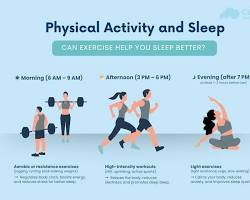
- Stress hormones reduce: Your sympathetic nervous system powers down, allowing your blood pressure to drop and bringing cortisol levels down to a calm, restorative baseline.
Poor sleep = higher inflammation. Cutting your sleep short skips these critical cellular cleanup cycles, trapping your metabolism in a continuous state of stress that halts your fat loss progress.
🚶 3. Light Movement Helps Recovery
When you are sore and inflamed, complete bed rest can often backfire by causing metabolic stagnation and joint stiffness. Gentle activity improves circulation and reduces inflammation without adding any extra mechanical stress to your frame:
- Walking: A fantastic, low-stress option that lowers blood sugar and burns calories without raising your stress hormones.
- Stretching: Lengthens tight muscular structures, improves tissue elasticity, and helps relieve chronic tension.
- Yoga: Combines movement with controlled breathing to switch your nervous system into a calm, parasympathetic state.
- Mobility exercises: Lubricates your joints with fresh fluid, reducing local friction and supporting long-term structural alignment.
To learn how to turn basic walking into an elite fat-burning habit that protects your posture and joints under a light, controlled load, look at our protocol on rucking.
🧘 4. Stress Control is Critical
Your psychological state directly dictates your physical biology. Chronic stress increases inflammatory hormones like cortisol, which breaks down healthy lean tissue and locked-in body fat. Helpful methods to lower your daily stress include:
- Deep breathing: Actively stimulates your vagus nerve, sending an immediate signal to your brain to down-regulate your sympathetic fight-or-flight response.
- Meditation: Calms chaotic mental loops, helping lower your resting heart rate and reducing cortisol production.
- Time outdoors: Spending time in natural sunlight helps regulate your circadian rhythms, which improves sleep quality and reduces systemic stress.
- Relaxation routines: Dedicating quiet time to unwind at the end of the day signals your body that it is safe to enter a deep, restorative state of recovery.
To see how to blend these stress-management tools into a complete lifestyle plan that prevents physical burnout and protects your midlife vitality, explore The Midlife Recovery Blueprint: How to Optimize Muscle Repair and Vitality After 40.
🧠 Key Insight
Inflammation is not always bad — but imbalance is the problem. Your body needs acute bursts of inflammation to repair damage and build strength after exercise. The goal is:
👉 reduce chronic inflammation
👉 support natural recovery processes
When your recovery habits match your physical training workload, you allow your body to complete its natural healing cycles cleanly. This prevents short-term exercise stress from turning into a long-term chronic burden on your health.
🧠 Final Thoughts
Inflammation is a hidden factor behind:
- Slower fat loss: It blocks insulin pathways and signals your body to lock away its stored fat reserves.
- Poor recovery: It keeps your tissues and joints in a state of continuous irritation, stalling your progress.
- Faster aging: It drives the systemic cellular breakdown that causes premature biological decay.
By controlling inflammation through lifestyle habits, you improve both short-term performance and long-term health. Shifting your focus from extreme dieting toward deep, high-quality recovery gives your body the perfect internal environment to drop body fat, protect its vital muscle mass, and thrive for decades to come.
⚠️ Disclaimer
This article is for educational purposes only and does not replace medical advice. Consult a healthcare professional for personalized guidance before altering your current nutritional intake, changing your workout routines, or introducing new lifestyle recovery protocols.
📚 References
- National Institute on Aging (NIA) – Chronic Inflammation, Cellular Senescence, and Biological Aging Mechanisms.
- Harvard Health Publishing – Inflammation Research, Adipose Endocrine Function, and Metabolic Health Profiles.
- World Health Organization (WHO) – Global Interventions and Prevention Strategies for Chronic Disease Management.
- National Institutes of Health (NIH) – The Immune System Cascade, Cortisol Dynamics, and Sarcopenia Prevention.
🌐 External Links
- To explore official clinical research updates on aging biomarkers and tissue preservation, consult the National Institute on Aging (NIA).
- For expert medical analysis on managing low-grade systemic inflammation and metabolic health, view Harvard Health Publishing.
- To read official global data regarding long-term health risks and chronic lifestyle condition trends, visit the World Health Organization (WHO).
- For verified public health guidelines regarding immune function, metabolic fitness, and recovery updates, explore the National Institutes of Health (NIH).
Next Step: Find Your Metabolic Bottleneck
Are you a Stalled Optimizer or a Metabolic Warrior? Stop guessing and start signaling.
To find out which of your 4 biological pillars is stalling your progress, take our 2-minute diagnostic:
Take the 2026 Bio-Recovery AuditDiscover your score across the 4 Pillars of Performance: Engine, Armor, Cleanup, and Repair.