

Introduction
Sleep is one of the most underestimated factors in fat loss and overall health. In a fast-paced society that often treats long hours and sleep deprivation as badges of honor, rest is frequently the first variable sacrificed in the pursuit of fitness goals. Millions of individuals dedicate massive amounts of mental energy to tracking their macronutrients and pushing through exhausting workout routines, yet they completely ignore the quality and duration of their sleep.
Many people focus on diet and exercise but ignore sleep — even though it directly affects metabolism, hormones, and recovery. When you continuously shortchange your rest, your body perceives a state of environmental crisis, initiating a protective chemical response that works directly against your efforts to lean out and optimize your health.
After 40, sleep quality often declines, making its impact even more important. As the body matures, deep slow-wave sleep stages naturally shorten, and the internal circadian clock becomes more vulnerable to lifestyle disruptions.
During my 6+ years working within clinical public health systems and primary health centres, including NRHM facilities, I routinely encountered patients who were deeply frustrated by stagnant weight loss and declining physical energy. They were convinced that their diets were failing or that they lacked willpower, but a deep review of their lifestyles almost always revealed chronic sleep debt. The clinical truth is clear: you cannot starve or out-train a body that is chronically sleep-deprived. Safeguarding your sleep architecture is the essential foundation required to unlock a healthy metabolism and achieve sustainable body composition changes.

😴 Why Sleep Matters for Fat Loss
To understand why skipping rest halts your progress, you must abandon the idea that sleep is simply a passive, inactive period where your brain turns off. Sleep is not just rest — it is a biological repair process. It is a highly active, tightly regulated state during which your body performs essential physiological cleanup operations that cannot occur while you are awake.
During sleep, the body actively coordinates a massive variety of essential maintenance tasks:
- Regulates hormones: Your brain cleans and resets its master endocrine pathways, balancing the chemical messengers that control everything from your cellular energy usage to how you store nutrients.
- Repairs tissues: A massive surge of growth factors is directed to your musculoskeletal framework to repair micro-tears in your muscles and heal minor joint wear.
- Balances energy systems: Your cells clear out cellular waste and restore internal glycogen reserves, ensuring your cellular power plants function at peak efficiency the next day.
- Controls appetite signals: Your central nervous system re-calibrates the exact neurological pathways that dictate how much food your body requires and when it feels genuinely satisfied.
Poor sleep disrupts all of these processes. When your sleep cycles are fragmented or cut short, your body enters a state of physiological stress, throwing your internal systems into chaos and making it nearly impossible to drop body fat.
⚙️ 1. Sleep and Metabolism
Your resting metabolic rate is deeply dependent on the quality of your nightly rest. Lack of sleep slows down metabolic function, causing immediate disruption to how your cells burn through daily calories. It leads to several critical issues:
- Reduced calorie burning efficiency: Sleep deprivation disrupts your autonomic nervous system, causing your baseline resting energy output to drop. Your body becomes highly conservative, slowing down its background processes to save fuel.
- Lower energy levels: Spontaneous physical movement, known as Non-Exercise Activity Thermogenesis (NEAT), drops significantly when you are exhausted. Your brain quietly causes you to sit more, move less, and relax your posture throughout the day to preserve energy.
- Slower fat oxidation: When you are short on sleep, your cells lose a significant portion of their ability to break down stored fatty acids to use as active energy, preferring instead to break down lean muscle tissue for fuel.
This makes fat loss harder even with a good diet. You can be inside a strict, mathematically calculated caloric deficit, but if you are running on poor sleep, your body will fight to protect its adipose tissue reserves while systematically down-regulating your daily calorie burn.
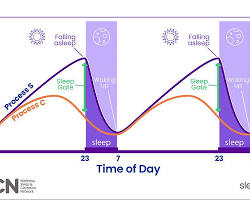
🧬 2. Sleep and Hormones
Your body’s endocrine system relies on high-quality sleep to release its master regulatory chemicals in a clean, rhythmic cycle. Sleep directly affects key fat loss hormones, causing a rapid shift in your internal biochemistry when your rest is cut short:
[Chronic Sleep Debt]
   ├── 🔴 INCREASES: Ghrelin (Hunger) ⬆️ & Cortisol (Stress) ⬆️
   └── 🟢 DECREASES: Leptin (Satiety) ⬇️ & Growth Hormone (Repair) ⬇️
🔴 Poor sleep increases:
- Ghrelin (hunger hormone): This stomach-produced hormone surges dramatically when you sleep poorly, sending continuous, urgent signals to your brain that your body needs food immediately.
- Cortisol (stress hormone): Sleep loss causes your adrenal glands to produce a steady stream of cortisol. Chronic cortisol elevation tells your liver to dump glucose into your blood, raising your blood sugar and signaling your body to protect fat reserves around your midsection. To see how these blood glucose shifts lock your body in a fat-storage state, read our guide on Metabolic Health Explained: How Insulin Sensitivity Affects Fat Loss, Energy, and Aging.
🟢 Good sleep increases:
- Leptin (satiety hormone): This hormone tells your brain that you have plenty of energy stored and can comfortably stop eating. High-quality sleep keeps leptin levels stable, shutting down random cravings.
- Growth hormone (repair hormone): The vast majority of your daily growth hormone release happens in large pulses during deep, slow-wave sleep, which is critical for tissue repair, muscle retention, and fat burning.
This balance is critical for weight control, acting as the primary biological switch that determines whether your body prefers to burn fat or store it.
🍔 3. Sleep and Appetite Control
Have you ever noticed that after a night of poor sleep, your nutritional discipline completely falls apart? This isn’t a failure of personal willpower; it is a direct consequence of altered brain chemistry. When sleep is poor, your entire relationship with food shifts:
- Hunger increases: The combination of surging ghrelin and plummeting leptin leaves you feeling genuinely hungry all day long, even shortly after consuming a large meal.
- Cravings for sugar and junk food rise: Sleep debt shifts your brain activity away from logical thinking and activates your primitive reward centers. Your brain begins craving quick, energy-dense options like refined sugars, simple carbohydrates, and processed foods to get a fast burst of waking energy.
- Decision-making weakens: Your prefrontal cortex—the area of the brain responsible for impulse control, long-term planning, and discipline—is severely impaired by exhaustion.
This often leads to overeating without realizing it. Your brain essentially overrides your fitness plans, driving you to consume excess calories because it is desperately seeking a quick chemical pick-me-up to fight off fatigue.

🏋️ 4. Sleep and Recovery
Many people treat their workouts as the direct cause of muscle growth and fat loss, but exercise is simply a physical stressor that breaks down your tissues. The actual progress occurs during your recovery windows. Muscle recovery depends heavily on sleep, which serves as your ultimate recovery tool. During deep sleep, major physical adaptations take place:
- Muscle tissue repairs: Your body increases blood flow to your skeletal muscles, carrying vital amino acids and oxygen directly to raw muscle fibers to repair microscopic damage. To learn how to maximize this physical stimulus using slow, controlled movements that challenge your muscles without overtaxing your joints, read our guide on time-under-tension training.
- Inflammation decreases: Sleep drops your systemic stress markers, allowing your immune system to complete its natural healing cycles and preventing short-term exercise stress from turning into chronic tissue irritation. To learn more about how keeping this inflammatory balance stable protects your joints and cells from aging, explore our detailed guide on Inflammation and Aging: How Recovery Affects Long-Term Health and Fat Loss.
- Training adaptation improves: Your nervous system processes the movement patterns you practiced during the day, locking in your strength gains and structural progress.
Without sleep, workouts become less effective. You end up breaking your body down day after day without ever giving your cells the time or resources they need to rebuild, leading to a state of chronic burnout.

📊 The Sleep Deprivation & Metabolic Impact Matrix
To understand exactly how a lack of high-quality rest alters your internal chemistry and stalls your progress, review this clinical overview:
| Sleep Status Profile | Primary Hormonal Shift | Direct Metabolic Consequence | Impact on Your Weight Loss |
| Chronic Rest Shortage (Under 6 Hours) | Ghrelin spikes significantly; Leptin drops sharply. | Primal appetite signals increase; severe cravings for simple sugars and junk food. | Severe overeating risks; loss of nutritional consistency. |
| Disrupted Deep Sleep Stages | Growth Hormone release falls off a cliff. | Cellular protein repair slows down; increased loss of active muscle mass. | Drop in baseline resting metabolic rate; increased physical frailty. |
| Elevated Next-Day Cortisol | Continuous adrenal stress signaling. | Blood glucose levels rise; peripheral insulin sensitivity drops. | Fat accumulation concentrates around the deep visceral organs. |
| Optimized Sleep (7.5 to 9 Hours) | Healthy hormonal balance; cortisol remains low. | Stable fat oxidation pathways; high daily spontaneous movement (NEAT). | Consistent fat loss progress; clean muscular recovery. |
🧠 5. Sleep and Brain Function
Your mental health and your physical performance are closely linked. Your brain requires deep, uninterrupted rest to clean out metabolic waste and restore cognitive health. Sleep also affects your daily emotional and psychological baselines:
- Focus: Getting plenty of rest sharpens your cognitive processing speed, helping you stay highly productive and making it easy to manage your daily schedule.
- Motivation: Proper sleep keeps your dopamine pathways highly responsive, giving you the natural drive and energy needed to attack your training sessions with high intensity.
- Stress response: High-quality rest calms your amygdala, preventing your mind from falling into states of anxiety or overwhelm when dealing with everyday life challenges.
- Emotional control: Sleeping well helps keep your moods stable, preventing the emotional exhaustion that often leads to stress-eating or skipping your healthy habits.
Poor sleep makes it harder to stay consistent with fitness goals. When your brain is constantly exhausted, every single daily choice becomes a massive mental battle, and your long-term health goals are easily sidelined by immediate comfort-seeking behaviors.
🌙 How to Improve Sleep Quality
To transform your sleep into a powerful metabolic asset, stop treating it as an afterthought and implement these five science-backed habits to optimize your sleep architecture:
1. Maintain a Fixed Sleep Schedule
Go to bed and wake up at the same time daily, including on your days off. Keeping a regular schedule anchors your body’s master internal circadian clock, allowing your brain to naturally produce sleep hormones at the exact same time every night and helping you fall into deep, restorative sleep cycles effortlessly.
2. Reduce Night Screen Exposure
Blue light from smartphones, computer screens, and television sets tricks your brain into thinking it is still daytime, which can disrupt melatonin production. Melatonin is the primary hormone responsible for signaling your body that it is time to sleep. Turn off your digital devices at least one hour before bed, or use high-quality blue-blocking glasses to protect your eyes.
3. Avoid Heavy Meals Before Bed
Consuming large amounts of food right before turning in forces your body to direct significant blood flow and energy to your digestive system, raising your core body temperature and disrupting deep sleep. Late eating can affect sleep quality and digestion. Try to finish your last meal at least two to three hours before going to sleep.
4. Create a Calm Environment
Your bedroom should be set up like a quiet sleep sanctuary. Keep your room dark, quiet, and cool, which improves sleep depth by supporting your body’s natural drop in temperature during the night. Use blackout curtains, a white noise machine, or earplugs to block out any external light or sound disruptions.
5. Manage Stress Before Sleep
Heading to bed with a racing mind keeps your sympathetic nervous system active, resulting in a shallow, fragmented night of sleep. Dedicate the final 30 minutes of your evening to reliable relaxation techniques like breathing exercises, progressive muscle relaxation, or light reading to help shift your body into a peaceful state. To discover how combining these nighttime habits with a structured lifestyle plan helps optimize your health, check out The Midlife Recovery Blueprint: How to Optimize Muscle Repair and Vitality After 40.
🧠 Key Insight
👉 Sleep is not passive — it is a metabolic reset system.
Resting is the vital phase where your body actively balances its internal systems and cleans up cellular damage. Better sleep = better fat loss, recovery, and hormonal balance. When you prioritize your sleep quality, you aren’t being lazy; you are giving your cells the exact tools they need to operate at peak efficiency. If your fat loss progress has slowed down despite following a perfect diet and training plan, you can easily troubleshoot your current routine using our master guide on Why Fat Loss Stops After 40: Common Plateau Reasons and How to Fix Them.
🧠 Final Thoughts
If fat loss has stalled, sleep is often one of the first things to check. Far too many people attempt to push through a fat-loss block by cutting their calories to dangerous levels or adding more cardio, which only increases the stress on an already exhausted body.
Improving sleep quality can sometimes produce better results than changing diet or training. By giving your body high-quality rest, you drop your baseline stress hormones, restore your native insulin sensitivity, control your appetite, and unlock consistent fat loss, helping you build a lean, strong, and highly energized physiology for life.
⚠️ Disclaimer
This content is for educational purposes only and does not replace medical advice. Consult a healthcare professional if you have sleep-related concerns, chronic insomnia, or suspect you may be dealing with an underlying sleep condition.
📚 References
- National Sleep Foundation — Clinical Analysis of Circadian Regulation and Sleep Health Parameters.
- Harvard Medical School – Sleep and Metabolism: Detailed Insights into Endocrine Shifts and Weight Regulation.
- National Institute on Aging (NIA) — Age-Related Changes in Sleep Architecture and Cellular Regeneration.
- Centers for Disease Control and Prevention (CDC) — Sleep Deprivation Trends and Long-Term Metabolic Disease Risk.
🌐 External Links
- To explore official clinical data on sleep hygiene and circadian health guidelines, visit the National Sleep Foundation.
- For expert medical analysis on how sleep debt impacts your metabolic rate and fat storage hormones, view Harvard Health Publishing.
- To read modern research updates regarding sleep architecture and healthy aging, consult the National Institute on Aging (NIA).
- For public health guidelines regarding chronic sleep loss and its connection to metabolic disorders, explore the Centers for Disease Control and Prevention (CDC).
Next Step: Find Your Metabolic Bottleneck
Are you a Stalled Optimizer or a Metabolic Warrior? Stop guessing and start signaling.
To find out which of your 4 biological pillars is stalling your progress, take our 2-minute diagnostic:
Take the 2026 Bio-Recovery AuditDiscover your score across the 4 Pillars of Performance: Engine, Armor, Cleanup, and Repair.