

Which of these habits feels easiest for you to start today? Daily Meal Planning Tips for Busy Beginners : Between work, family, and daily errands, planning meals can feel like a huge task. Many beginners skip breakfast, grab unhealthy snacks, or rely on fast food because it’s quick and convenient. This can make fitness goals feel out of reach.
Daily meal planning tips are essential for busy beginners because they help you stay consistent, save time, and maintain energy levels throughout the day. By learning simple strategies, anyone can eat healthily without stress. From my experience, simple meal prep routines like these are easier to maintain and gradually improve both health and productivity.
This article is regularly updated to reflect current wellness practices in 2026, including time-saving strategies and beginner-friendly meal prep tips.
Who This Guide Is For:
- People looking for simple daily meal planning habits
- Beginners who want sustainable routines
- Busy individuals balancing work, family, and fitness
Who Should Be Careful:
- Those with specific medical conditions should seek personal guidance before changing their diet
Why Skipping Meal Planning Is So Common Today
Many beginners struggle to plan meals because life is busy. Work, errands, and family responsibilities leave little time for thoughtful eating. People often:
- Skip meals due to lack of time
- Rely on unhealthy convenience foods
- Forget to include essential nutrients
Without a system, busy individuals feel stressed, eat inconsistently, and find it hard to maintain fitness goals.
Daily Meal Planning Tips – What Actually Helps
1. Start With Your Goals
Understand your fitness objectives—weight loss, muscle gain, or general health. Knowing your goals helps you choose the right meals and portion sizes. Include protein, carbs, and fats that support your target.
2. Create a Simple Template
Set up a daily structure:
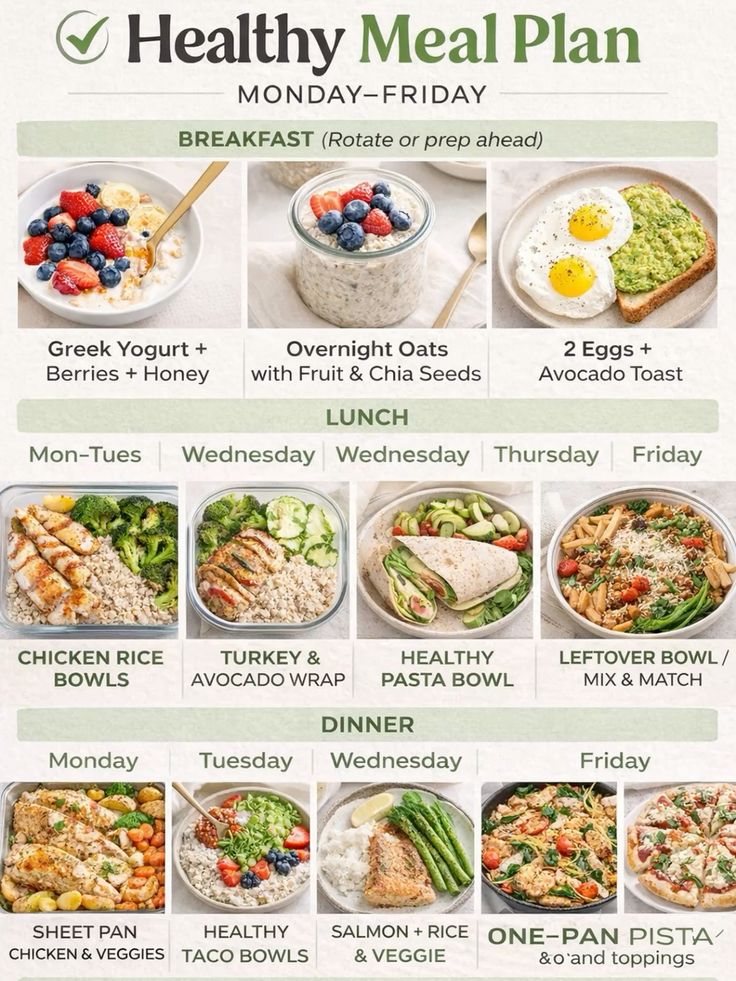
- Breakfast: Quick, nutrient-dense
- Mid-morning snack: Protein-rich
- Lunch: Balanced meal
- Afternoon snack: Light energy boost
- Dinner: Light, nutrient-rich
- Optional evening snack if hungry
I have seen this work for many people when followed consistently.
3. Keep Meals Simple
Repeat a few favorite meals weekly, batch cook proteins or grains, and use healthy pre-prepared options. Simplicity increases adherence without feeling overwhelming.
4. Prioritize Protein
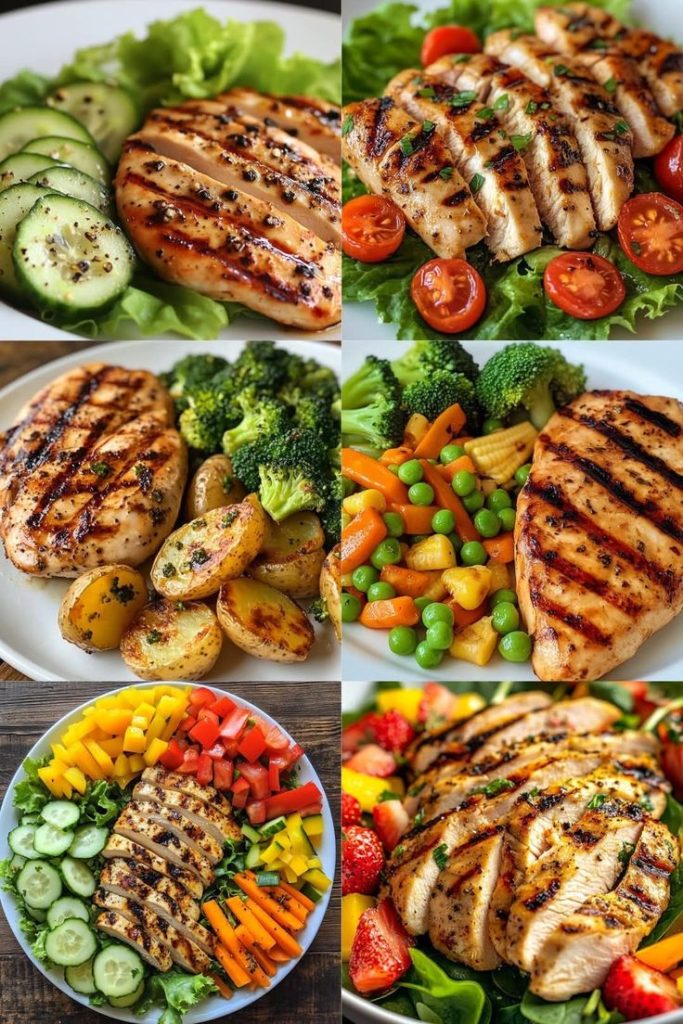
Protein builds muscle, keeps you full, and supports metabolism. Include eggs, Greek yogurt, lean meats, tofu, beans, or protein shakes in each meal. Even beginners notice more energy and satiety.
5. Balance Each Meal
Every meal should have:
- Protein (20–30g per main meal)
- Healthy fats (nuts, seeds, avocado)
- Complex carbs (whole grains, legumes)
- Vegetables (variety of colors)
Balanced meals stabilize energy and reduce cravings.
6. Plan Snacks Wisely
Choose nutrient-dense snacks like almonds, boiled eggs, fruit, hummus with veggies, or Greek yogurt. Avoid sugar-heavy options that lead to energy crashes.
7. Use a Weekly Grocery List
Review your meal template and list all ingredients. Categorize by produce, proteins, grains, and snacks. This prevents last-minute unhealthy choices and saves time.
8. Prep in Advance
Batch cook proteins, chop vegetables, portion snacks, and store meals in the fridge/freezer. Even 1–2 hours of prep per week can save several hours daily.
9. Stay Flexible
Life can be unpredictable. Swap meals, use healthy convenience foods, and don’t stress over one missed meal. Consistency matters more than perfection.
10. Time-Block Meals in Your Schedule
Just like meetings, block time for meals. This reduces skipped meals and mindless eating. Even approximate timing helps beginners stay consistent.
11. Make Smart Choices When Eating Outside
Eating out doesn’t mean failure. Choose simple meals, prioritize protein, and control portions. Planning for outside meals keeps your routine realistic.
12. Review and Adjust Your Plan Weekly
At the end of the week, ask:
- What felt easy?
- What felt stressful?
Adjust meals accordingly. Small weekly improvements matter more than perfect plans.
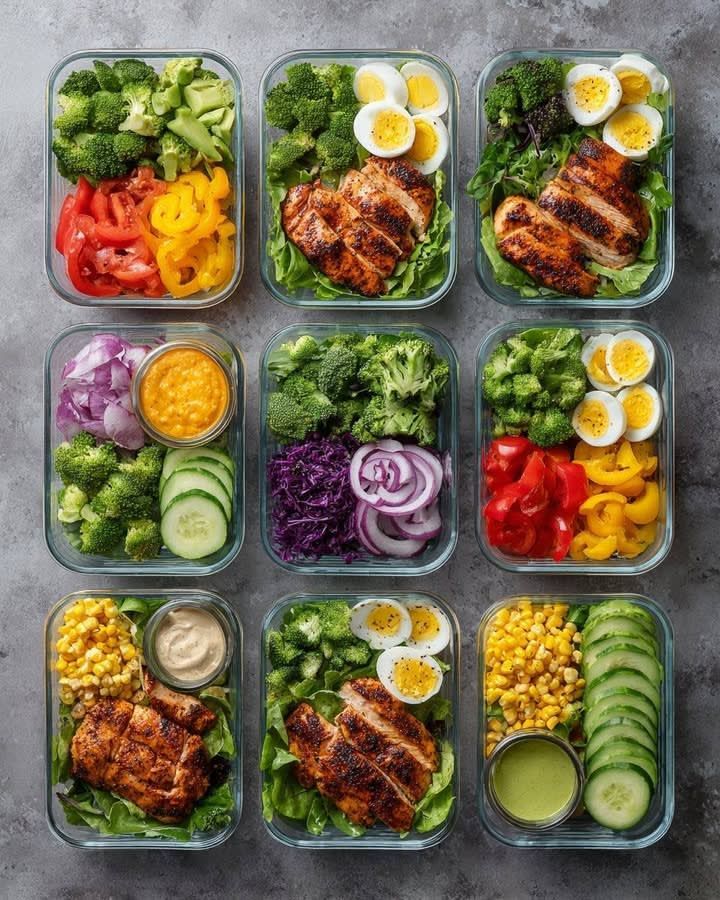
TABLE / CHECKLIST
| Habit / Tip | How Often | Beginner-Friendly | Example |
|---|---|---|---|
| Set clear goals | Weekly | Yes | Write 1 main goal |
| Daily meal template | Daily | Yes | Fixed meal structure |
| Repeat meals | Weekly | Yes | Rotate 3 meals |
| Prioritize protein | Every meal | Yes | Eggs, yogurt |
| Balance meals | Every meal | Yes | Protein + carbs + fats |
| Planned snacks | Daily | Yes | Fruit, nuts |
| Grocery list | Weekly | Yes | Section-based list |
| Basic meal prep | Weekly | Yes | Chop veggies |
| Stay flexible | As needed | Yes | Swap meals |
| Time-block meals | Daily | Yes | Fixed eating window |
| Smart eating out | Occasionally | Yes | Protein-first choice |
| Weekly review | Weekly | Yes | Adjust portions |
REALITY CHECK
- Results vary for each individual
- Small steps are more sustainable than rapid changes
- Consistency and gradual improvement support long-term wellness
What Results Can You Expect Over Time?
- May help improve energy levels and productivity
- Can support sustainable weight management
- Often improves nutrition consistency and reduces stress around meals
Final Takeaway:
Meal planning doesn’t need to be complicated. Focus on consistency, simplicity, and preparation. Small, manageable habits gradually create lasting improvements. Prioritize balanced meals, plan ahead, and stay flexible—progress is more important than perfection.
Small Steps Matter
Start by planning just one or two meals today. Bookmark this guide and revisit it for tips. Every small improvement contributes to long-term wellness.
Also Read : Beginner Exercise Plan: 15 Minutes a Day to Get Started Safely
Easy Fitness Routine for Beginners: No Equipment Needed (Start at Home)
How to Get Fit at Home: Beginner’s Edition | Simple Home Fitness Guide
Simple Fitness Habits to Kickstart Your Health | Beginner-Friendly Guide
Fitness Tips for Beginners Who Don’t Know Where to Start | Easy Start Guide
Step-by-Step Beginner Fitness Guide for Busy People | Quick & Easy Workouts
FAQ
Q1: How can beginners stick to meal planning consistently?
A: By starting simple, repeating favorite meals, and prepping ingredients in advance, beginners can follow daily meal planning tips without feeling overwhelmed.
Q2: Do I need to count calories for meal planning?
A: Not necessarily. Focus on balanced meals and portion control first. Calorie tracking is optional for beginners.
Q3: Can these daily meal planning tips work for weight loss and muscle gain?
A: Yes, these tips can support various fitness goals. By choosing the right portion sizes and nutrient balance, meal planning helps beginners stay on track.
Next Step: Find Your Metabolic Bottleneck
Are you a Stalled Optimizer or a Metabolic Warrior? Stop guessing and start signaling.
To find out which of your 4 biological pillars is stalling your progress, take our 2-minute diagnostic:
Take the 2026 Bio-Recovery AuditDiscover your score across the 4 Pillars of Performance: Engine, Armor, Cleanup, and Repair.