
Step-by-Step Beginner Fitness Guide for Busy People – Struggling to find time for fitness? Learn easy, effective routines for beginners, quick home workouts, and daily habits to stay active. Discover how to manage time, build consistency, and start your health journey even with a busy schedule.
For many beginners, starting a fitness journey feels overwhelming. When you’re busy with work, family, and daily responsibilities, the thought of adding exercise to your schedule can seem impossible. Social media often makes fitness look glamorous, complicated, or intimidating, showing extreme workouts that aren’t realistic for a beginner. The truth is that fitness doesn’t have to be complicated or time-consuming. For busy people, the most effective approach is structured, simple, and consistent movement that fits into daily life without stress.
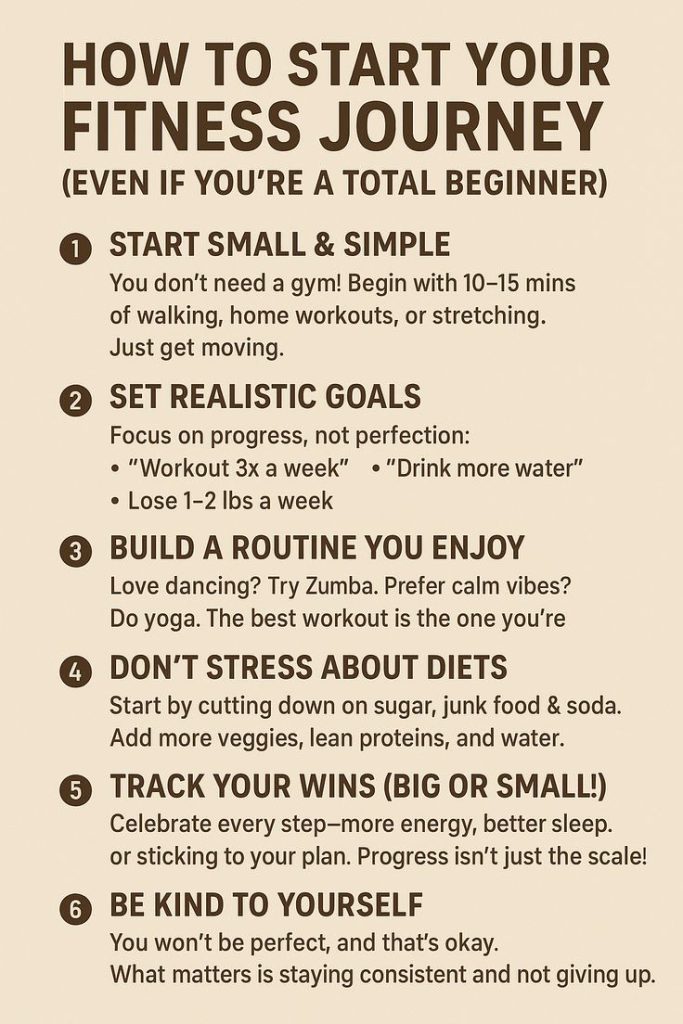
A beginner fitness guide for busy people focuses on building small, achievable habits that improve health, strength, and energy over time. Instead of attempting hour-long workouts, busy beginners benefit most from short, effective routines and practical strategies to integrate fitness into their day.
From my experience, beginners who start small and gradually build a routine are far more likely to stay consistent than those who try intense workouts that feel impossible to sustain.
From my experience, beginners who focus on short, manageable routines see more consistent progress than those attempting complicated workouts they can’t sustain.
Understanding the Challenges of Busy Beginners
Busy beginners often face two main obstacles: time constraints and information overload. Many feel they cannot dedicate even 20 minutes to exercise. Others are unsure what to do, fearing they’ll waste effort on routines that won’t produce results. The fear of injury is also common; beginners worry that exercising incorrectly might strain muscles or joints, preventing them from starting at all.
Additionally, motivation can be inconsistent. When life gets hectic, workouts are skipped, and beginners may feel guilty or frustrated, which can further reduce consistency. Understanding these challenges is essential because it helps beginners choose realistic strategies that they can maintain over time. The key is not to aim for perfection but to focus on building a consistent habit, even if it’s just a few minutes a day.
Making Time for Fitness
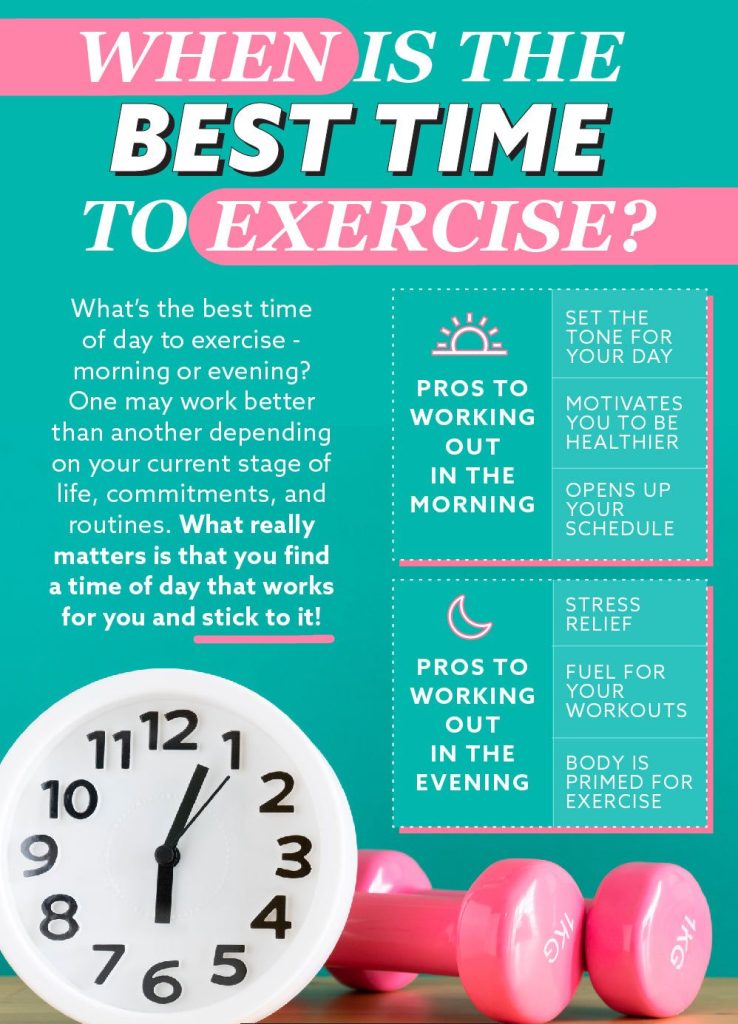
One of the first steps in a beginner fitness guide for busy people is to prioritize movement in your daily schedule. Time is the biggest barrier, but even small blocks of activity can add up to meaningful results. Early mornings, lunch breaks, or short sessions after work are perfect opportunities to incorporate exercise. By treating workouts like an important appointment, beginners ensure they don’t skip them due to busyness.
For example, a 10-minute morning routine before starting work can energize the day, while a brisk 15-minute walk after lunch can break sedentary patterns. Even these short sessions can significantly improve stamina, strength, and mood when done consistently.
Busy people often underestimate the power of small, repeated efforts. Fifteen minutes a day, five times a week, adds up to over twelve hours of movement in just two months.
Choosing Beginner-Friendly Exercises
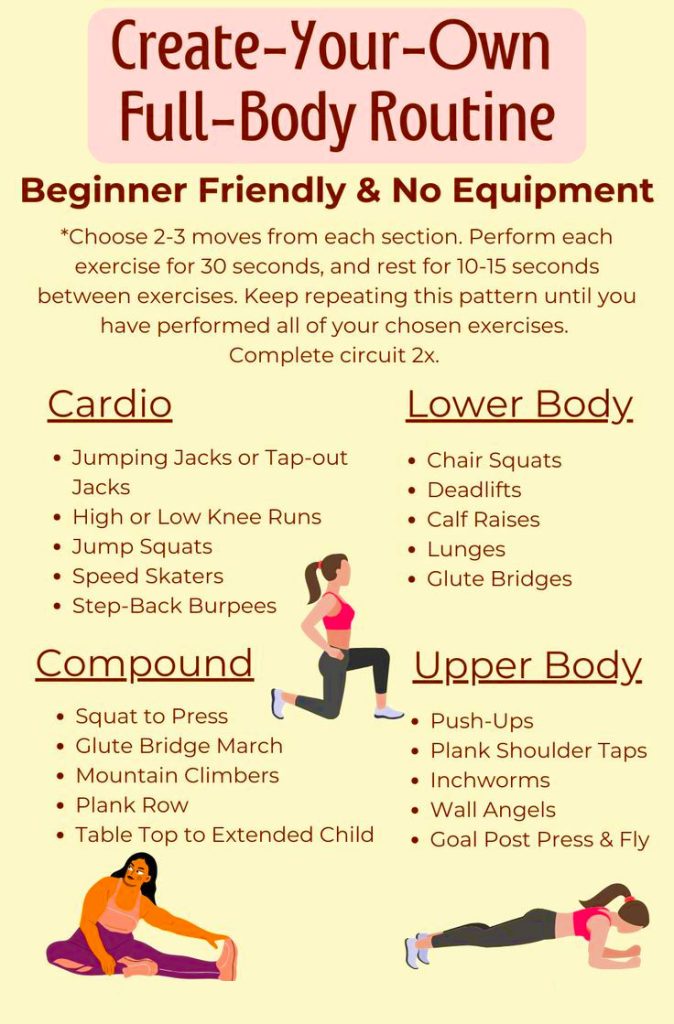
For busy beginners, the focus should be on simple exercises that deliver the most benefit in the least amount of time. Bodyweight exercises are ideal because they require no equipment, can be done at home, and target multiple muscle groups. Squats strengthen legs and core, push-ups engage the chest, shoulders, and arms, and planks improve core stability. Lunges enhance balance while working the lower body.
Beginners should prioritize proper form over quantity. Doing fewer repetitions correctly is far more beneficial than doing many incorrectly, which could cause injury. Gradually, once these movements feel comfortable, light resistance or additional sets can be incorporated.
For instance, starting with 10 squats, 5 push-ups, and a 15-second plank can be enough for a beginner. As strength grows, these can be increased to 20 squats, 10 push-ups, and a 30-second plank over a few weeks.
These exercises not only improve strength and endurance but also build confidence and prepare the body for more advanced routines in the future.
Incorporating Movement Throughout the Day
A beginner fitness guide for busy people emphasizes that fitness isn’t limited to scheduled workouts. Everyday movement can significantly impact health and complement short exercise sessions. Taking short walking breaks, using stairs instead of elevators, or performing stretches during desk work can keep the body active and energized.
For example, a software engineer might set an alarm every hour to stand, stretch, or walk for five minutes. Over a week, these small movements increase calorie expenditure, improve posture, and reduce muscle stiffness, without taking significant time away from work.
Movement throughout the day is especially valuable for beginners because it gradually conditions the body, making structured workouts easier and more effective.
Read more 30-Day Weight Loss Challenge for Beginners | Safe & Simple Plan
Nutrition and Energy Management
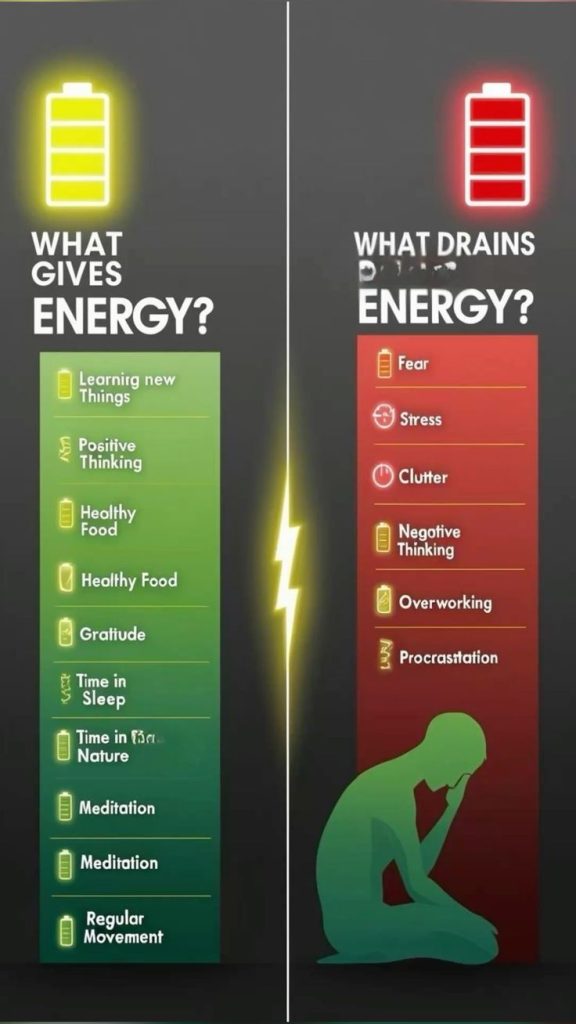
Fitness for busy beginners isn’t just about exercise. Proper nutrition fuels workouts and supports recovery. Busy schedules often lead to skipped meals or reliance on processed food, which can reduce energy and stall progress. Beginners should focus on simple, balanced meals that include protein, fiber, and healthy fats.
Meal prepping is a game-changer. For example, preparing a week’s worth of snacks like nuts, yogurt, or cut vegetables ensures healthy options are always available. Breakfast could include oatmeal with fruit, lunch might be grilled chicken with vegetables, and dinner could feature lentils or beans with rice.
Good nutrition ensures that even short, busy workouts are effective because the body has the energy it needs to perform and recover.
Tracking Progress
Monitoring improvement helps busy beginners stay motivated and adjust routines. Tracking can include logging workouts, noting repetitions, or measuring minutes of activity. Over time, seeing tangible results reinforces consistency.
For example, if a beginner starts with 10 squats and 5 push-ups, tracking progress over a month might show they can comfortably do 20 squats and 10 push-ups. These visible improvements boost confidence and maintain engagement.
Even small progress is important. For busy beginners, celebrating tiny wins prevents discouragement and reinforces habit formation.
Rest and Recovery
Busy beginners often skip rest days, thinking they must train every day. Recovery is essential to allow muscles to repair, prevent fatigue, and reduce the risk of injury. Rest doesn’t mean inactivity — light stretching or short walks can keep the body moving without strain.
For example, after three consecutive workout days, a beginner can focus on gentle yoga or mobility exercises to recover while maintaining daily activity. Adequate sleep is also critical, as it affects energy, performance, and overall health.
Proper recovery ensures that busy beginners can maintain consistency, which is more important than intensity or duration of workouts.
Also read 5-Step Full-Body Workout for Beginners | Easy Home Routine
Building Consistency and Long-Term Habits
The ultimate goal for busy beginners is to integrate fitness into daily life naturally. Short, achievable workouts combined with movement throughout the day, proper nutrition, and recovery create a routine that becomes part of everyday life.
Pairing exercise with existing habits, like stretching while watching TV or walking after meals, helps reinforce consistency. Over time, these habits accumulate into significant fitness gains without feeling like a chore.
Beginners who focus on habit formation rather than perfect performance often see the most sustainable results.
Expected Results
For beginners following this guide consistently:
- Within 1–2 weeks: Increased energy, improved mood, reduced fatigue
- Within 3–4 weeks: Noticeable improvement in stamina, strength, and mobility
- Within 1–2 months: Formation of a consistent fitness habit
- Long-term: Sustainable fitness, better posture, improved health, and confidence in daily activities
Conclusion
Even with a busy lifestyle, beginners can achieve fitness by focusing on short, effective workouts, consistent movement, proper nutrition, and recovery. By integrating fitness into everyday routines and building habits gradually, beginners can improve strength, stamina, energy, and overall health without feeling overwhelmed.
Start today, even with 15 minutes. Small, consistent efforts are more powerful than sporadic, intense workouts, and they lead to lasting results.
FAQs
Q: Can I get fit with only 15–20 minutes a day?
A: Absolutely. Short, consistent workouts, combined with daily activity and healthy eating, are effective for beginners.
Q: Do I need gym equipment?
A: No. Bodyweight exercises and daily movement are sufficient to start.
Q: How do I fit workouts into a busy day?
A: Break sessions into short, manageable blocks, such as morning routines or short walks during breaks.
Q: How soon will I notice results?
A: Energy and stamina usually improve within 2–4 weeks; visible changes appear gradually with consistency.
Next Step: Find Your Metabolic Bottleneck
Are you a Stalled Optimizer or a Metabolic Warrior? Stop guessing and start signaling.
To find out which of your 4 biological pillars is stalling your progress, take our 2-minute diagnostic:
Take the 2026 Bio-Recovery AuditDiscover your score across the 4 Pillars of Performance: Engine, Armor, Cleanup, and Repair.