

How Walking After Meals: Many people finish a meal and immediately return to sitting, whether it is at an office desk, on a living room couch, or in a car during a hectic commute. In modern society, this post-meal sedentary behavior has become the default setting. We eat while working, finish our food, and instantly re-engage with our screens, leaving our bodies structurally static during the precise window when our internal systems are working their hardest to process nutrients.
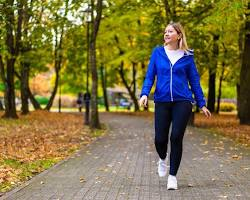
While this pattern is highly common, incorporating a simple, light walk after eating may be one of the easiest, most accessible ways to add more movement into your day and support overall metabolic fitness. You do not need specialized gym attire, an expensive membership, or a high-intensity training plan to make a meaningful difference.
                       THE POST-MEAL FORK IN THE ROAD
 🛋️ IMMEDIATE SEDENTARY STATE : Nutrient Influx + Complete Inactivity - Low Muscle Clearance, Prolonged Stasis

🚶 IMMEDIATE LIGHT MOVEMENT : Mechanical Muscle Contractions Activate- Gentle Circulatory & Metabolic Clearance│
This cornerstone guide explores the concept of metabolic fitness, dives deep into why modern environments make daily movement difficult, and breaks down the structural science behind how a brief post-meal stroll acts as a natural mechanical sponge for your body’s energy balance.
What Is Metabolic Fitness?
To understand how a short walk can influence your body, it is essential to first understand what metabolic fitness actually means. In traditional fitness media, “metabolism” is frequently discussed as a static, pre-determined speed—either “fast” or “slow”—that dictates how easily a person can lose or gain weight. This is a profound oversimplification.
Metabolic fitness is not a static trait; it is a dynamic state of physiological efficiency. It refers to how effectively your body’s cells, tissues, and organ systems process, transport, store, and utilize energy from the foods you eat.
                                                                  METABOLIC FITNESS SPECTRUM
                                                                                 ▼

                         ▼                                              ▼                                                 ▼

              ENERGY USE                    GLUCOSE RECOVERY                        MOVING PATTERNS
          -  Efficient ATP                          -Smooth Nutrient                            - Breaking up
         - Production                             -Stabilization                                   - Long Stasis
When you possess a high baseline of metabolic fitness, your body manages energy inputs with minimal internal friction. Here is how that plays out across your daily lifecycle:
- Efficient Energy Utilization: Your cells smoothly convert carbohydrates, fats, and proteins into accessible chemical energy (adenosine triphosphate, or ATP) without creating excessive cellular stress or waste.
- Optimal Glucose Regulation: When nutrients enter your bloodstream after a meal, your body processes and clears that glucose efficiently, moving it into your skeletal muscles and liver for storage without requiring extreme, prolonged surges of signaling hormones.
- Active Physical Responsiveness: Your muscular system stands ready to absorb and utilize circulating fuel instantly, reacting dynamically to the mechanical demands of your daily life.
Metabolic fitness exists on a fluid spectrum. It is deeply influenced by your day-to-day choices, your consistent movement habits, and how frequently you break up long periods of physical stillness.
Why Modern Lifestyles Reduce Daily Movement
We live in an era where human movement has been systematically engineered out of daily life. For the vast majority of human history, physical exertion was a mandatory requirement for survival. Gathering food, maintaining shelter, traveling from place to place, and performing daily tasks demanded a continuous baseline of lower-body activity.
Today, modern technological convenience has flipped this dynamic entirely. We can spend an entire day surviving, working, and thriving while barely moving a muscle. Several key factors drive this modern reduction in daily movement:
│ THE MODERN SEDENTARY CASCADE                                             │
│ • Desk-Bound Roles: 8-10 Hours of Continuous Sitting                     │
│ • Digital Environments: Entertainment and Chores Managed via Screens     │
│ • Passive Transport: Driving/Commuting Replaces Human Locomotive Power   │
└
                                              ▼

│ EXPERIENCING NEUROMUSCULAR DISUSE                                        │
│ • Lower-Body Muscle Pumps Deactivate, Freezing Active Metabolic Channels  │
The Rise of Desk-Bound Occupations: Millions of people spend $8\text{ to }10\text{ hours}$ a day sitting in front of computer screens. This prolonged sitting keeps the large muscle groups of our lower bodies completely relaxed and inactive for hours at a time.
- The Dominance of Digital Screens: Our leisure, entertainment, and social interactions are heavily centered around digital devices. Whether we are watching streaming services, playing video games, or scrolling through social feeds, our free time is overwhelmingly spent sitting or lying down.
- Passive Transportation and Car Culture: Commuting in cars, trains, or buses has largely replaced walking or cycling for transportation. We sit during our morning commute, sit at our desks all day, and sit on the ride back home.
- The Convenience Economy: E-commerce, food delivery apps, and smart-home automations mean we no longer need to walk through stores, cook complex meals from scratch, or even leave our homes to gather daily necessities.
This structural shift toward a sedentary life means that even if a person completes a dedicated $45\text{-minute}$ workout in the morning, they may still spend the remaining $15\text{ hours}$ of their waking day in a state of near-total physical stillness. This creates a gap in our daily activity that traditional, isolated workouts cannot completely fill.

A Public Health Observation on Daily Movement
Through my background in laboratory science and public health, I have often noticed that mainstream health discussions place an enormous amount of focus on restrictive, specialized diets or complex, high-intensity exercise programs. Meanwhile, the powerful role of simple, everyday movement receives far less attention.
We see endless debates over specific macro-nutrient splits, fasting windows, and complicated fitness routines. Yet, public health data consistently demonstrates that simple, low-barrier habits—such as a brief walk after a meal—can be far easier for the general population to maintain consistently over time.
[ Complex Diet/Workout Hype ] - Low Long-Term Compliance - Cyclical Burnout
[ Small Habits (Post-Meal Walk) ] ─ High Lifelong Compliance -Sustainable Fitness
When health recommendations are overly complex or exhausting, long-term compliance naturally drops. People start strong but frequently burn out within a few weeks or months because the routine does not fit into a busy lifestyle.
True, population-level preventive health is built on sustainable, repeatable actions. A $10\text{-minute}$ post-meal walk requires zero financial investment, no specialized skill, and very little mental effort, making it one of our most effective tools for building a healthier, more active population.
What Happens Inside the Body After We Eat?
To appreciate why the timing of a walk matters so much, we have to look closely at the normal, healthy physiological responses that unfold inside the human body immediately following a meal.
                       │ THE POST-PRANDIAL TIMELINE   │
                                      ▼
         ▼                            ▼                            ▼
│ NUTRIENT SPLIT  │          │ GLUCOSE INFLUX  │          │ STORAGE SIGNAL  │
│ Stomach Clears  │          │ Bloodstream     │          │ Pancreatic Wave │
│ Chyme into Gut  │          │ Receives Sugar  │          │ Deploys Insulin │
When you consume a meal, your digestive system springs into action:
- Mechanical and Chemical Breakdown: Your stomach and small intestine break down carbohydrates into simple sugars (primarily glucose), fats into fatty acids, and proteins into amino acids.
- Vascular Absorption: These broken-down nutrients pass through your intestinal wall and enter your bloodstream. This causes a natural, expected rise in circulating blood glucose levels—a state known as the post-prandial period.
- The Regulatory Response: In response to this influx of sugar, your pancreas releases insulin. This vital hormone acts like a key, unlocking your cells so they can absorb glucose from the blood and use it for energy or store it for later.
The Problem with Immediate Post-Meal Stillness
If you sit completely still immediately after eating, the metabolic demand from your skeletal muscles drops to a absolute baseline. Because your muscles are not contracting, they do not require an immediate supply of energy.
As a result, circulating glucose remains in your bloodstream for longer, requiring your pancreas to produce more insulin over a prolonged period to bring your blood sugar back down to baseline. By contrast, giving your body a gentle physical stimulus during this window changes this entire energy dynamic.

How Walking Fits Into the Picture
When you stand up and begin to walk after a meal, you immediately activate the largest muscle groups in your body: your quadriceps, hamstrings, glutes, and calves. The simple act of contracting these muscles completely transforms how your body processes circulating energy.
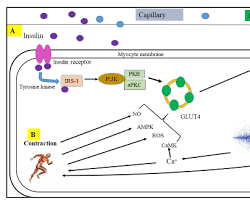
Post-Meal Walk ──► Skeletal Muscle Contractions ──► GLUT4 Translocation ──► Direct Glucose Clearing (Insulin-Independent)
As your lower-body muscles contract, they require immediate energy to fuel their movement. To meet this demand, your muscle cells quickly move specialized glucose transporter proteins (known as GLUT4 transporters) from the inside of the cell directly to the cell membrane.
Think of these transporters as open cellular windows. Once they reach the surface of the muscle cell, they pull glucose straight out of your bloodstream and into the muscle to be burned for fuel.
Crucially, this process happens independent of insulin. The mechanical movement of your muscles allows your body to clear circulating blood sugar smoothly and efficiently, reducing the total workload placed on your pancreas and supporting long-term metabolic health.
Potential Benefits of Walking After Meals
Integrating a short walk into your post-meal routine offers a wide range of practical benefits that extend far beyond simple energy balance.
Key Advantages of Post-Meal Walking
| Functional Health Benefit | How a Light Post-Meal Stroll Drives It |
| Encourages Consistent Movement | • Seamlessly adds $1,500\text{ to }3,000\text{ extra steps}$ to your daily total without requiring a dedicated gym block. |
| Breaks Up Sedentary Time | • Interrupts long periods of sitting at a desk or on a couch, reducing muscle stiffness and joint congestion. |
| Supports Lower-Body Mobility | • Keeps your hips, knees, and ankles moving through a functional range of motion, improving joint health. |
| Accessible for All Levels | • Requires no special athletic conditioning, making it safe and effective for beginners and advanced trainees alike. |
| Forms a Sustainable Habit | • Pairs movement with an existing daily anchor (eating), making the routine highly repeatable for long-term consistency. |
Furthermore, walking after meals can provide a wonderful psychological reset. Stepping away from your work desk or device screens for a few minutes allows your mind to rest, reducing stress levels and helping you return to your daily tasks with improved focus and clarity.
To discover how consistent movement habits support your lower-body skeletal health, check out FitBodySync’s Comprehensive Guide to Building Leg Strength.
How Long Should You Walk?
One of the greatest features of post-meal walking is that it requires very little time to be effective. You do not need to embark on a long, exhausting trek to see real benefits. Let’s look at how different durations can fit into your lifestyle:
The 5-Minute Micro-Walk
If you are incredibly busy or managing a demanding work schedule, even a brief $5\text{-minute}$ walk is highly valuable. Public health research shows that simply standing up and walking around your office or home for five minutes after a meal is enough to interrupt prolonged sitting and activate the muscle pumps in your lower body.
The 10-Minute Standard
A $10\text{-minute}$ walk is the perfect sweet spot for most people. It is long enough to provide a solid clearing effect for your circulation, yet short enough to fit easily into a standard lunch break or a busy evening schedule.
The 15-to-20-Minute Progression
If your schedule allows for a $15\text{-to-}20\text{-minute}$ stroll, you will gain additional cardiorespiratory and endurance benefits. This duration is fantastic for an evening walk with family or a midday break to clear your head.
[ 5 Minutes ] ───► Interrupts Sedentary Stasis & Wakes Up Lower-Body Muscle Pumps
[ 10 Minutes ] ──► The Functional Sweet Spot for Easy Post-Meal Nutrient Clearing
[ 15+ Minutes ] ─► Enhances Low-Level Cardiorespiratory Endurance & Stress Relief
The key take-away here is practicality. It is infinitely better to complete a consistent, enjoyable $10\text{-minute}$ walk every single day than to plan for an ambitious $45\text{-minute}$ walk that you only manage to do once a week.
Common Mistakes to Avoid
While walking after meals is simple, it is important to watch out for a few common pitfalls that can reduce the effectiveness of the habit or cause unnecessary physical discomfort:
- Walking with Too Much Intensity: A post-meal walk should always be light and conversational. If you walk too fast, run, or engage in high-intensity exercise right after eating, your body is forced to divert blood flow away from your digestive tract and toward your working muscles. This can lead to indigestion, cramping, and stomach discomfort.
- Thinking Longer Is Always Better: Pushing yourself to complete a lengthy, fatiguing walk after every single meal can lead to physical exhaustion and make the habit difficult to maintain. Keep your walks brief, enjoyable, and sustainable.
- Being Inconsistent with Your Routine: Doing a post-meal walk once or twice a week will not provide long-term physiological benefits. The power of this habit lies entirely in its consistency.
- Ignoring Your Overall Lifestyle Habits: While walking after meals is an incredible tool, it works best as part of an active lifestyle. It cannot completely undo the effects of a highly inflammatory diet, chronic sleep deprivation, or unmanaged stress.
Simple Ways to Make Post-Meal Walking a Habit
The easiest way to turn post-meal walking into a permanent lifestyle habit is to use a strategy called habit stacking. This means pairing your new walk directly with an existing daily anchor that you already do without thinking: eating your meals.
  HABIT STACKING SYSTEM
  [ Finish Daily Meal ] ───► Immediately Lace Up Shoes ───► Step Outside for 10-Minute Low-Stress Walk
Here are a few practical ways to seamlessly integrate walking into your daily routine:
- The Post-Lunch Office Loop: As soon as you finish your lunch at work, dedicate the first $10\text{ minutes}$ of your remaining break to walking around your office building or stepping outside for fresh air before returning to your desk.
- The Evening Family Stroll: Make it a household tradition to step outside for a short walk together immediately after dinner. It is a fantastic way to disconnect from screens, catch up on each other’s day, and move together.
- The Post-Meal Walking Phone Call: Use your post-meal walk as an opportunity to call a friend, catch up with family, or listen to an educational podcast, making the time fly by.
- Parking Farther Away On Purpose: When driving to lunch or running errands, deliberately park your car at the far end of the parking lot. This simple choice forces you to get in extra movement before and after you eat.
Myth vs. Reality
Let’s clear up some of the most common misconceptions surrounding post-meal physical activity:
Myth: You Must Perform Intense, Sweat-Inducing Exercise After Eating to Burn Off Your Meal
The Reality: This mindset can lead to a negative relationship with exercise and food. High-intensity workouts immediately after a meal can disrupt digestion and cause severe stomach cramping. Gentle, low-intensity movement is all your body needs to activate your muscles and support smooth energy processing.
Myth: Slow, Conversational Walking Does Not Count as Real Exercise
The Reality: This is entirely false. While slow walking won’t build massive muscles or maximize your sprint speed, it is an exceptional tool for increasing your total daily activity, improving joint health, and breaking up sedentary time. Every step your body takes carries value.
│                        WALKING MYTH VS. REALITY                        │
│ ❌ THE INTENSE WORKOUT MYTH   │ Believing you must sweat intensely     │
│                               │ after eating to "earn" or burn your food│
│  THE SUSTAINABLE REALITY      │ Gentle, conversational movement is the │
│                               │ optimal path for comfortable digestion │
Myth: You Must Start Walking Within Seconds of Swallowing Your Last Bite
The Reality: There is no need to stress over perfect timing. Taking $5\text{ to }15\text{ minutes}$ to clear your table, wash dishes, or relax before heading out for your walk is perfectly fine and allows your stomach to settle comfortably.
A Simple Weekly Consistency Tracker
To help you build this habit smoothly, here is a balanced weekly template designed to integrate light movement into your daily life without overwhelming your schedule.
The FitBodySync Post-Meal Movement Blueprint
🗓️ MONDAY: THE MIDDAY BREAK
└── Target Window: Post-Lunch
    └── Action: Complete a 10-minute conversational walk around your workplace.
        └── Benefit: Clears midday mental fatigue and breaks up morning sitting.

🗓️ WEDNESDAY: THE EVENING RESET
└── Target Window: Post-Dinner
    └── Action: Step outside for a relaxed 15-minute walk around your neighborhood.
        └── Benefit: Promotes relaxation and helps lower daily stress hormones before bed.

🗓️ FRIDAY: THE WEEKEND TRANSITION
└── Target Window: Post-Lunch & Post-Dinner
    └── Action: Complete a brief 10-minute walk after both your midday and evening meals.
        └── Benefit: Doubles your daily movement touchpoints heading into the weekend.

🗓️ WEEKEND: THE LIFESTYLE FLOW
└── Target Window: Post-Breakfast or Post-Brunch
    └── Action: Enjoy a leisurely 20-minute outdoor walk on a natural trail or park path.
        └── Benefit: Combines metabolic movement with fresh air and mental refreshment.
Why Consistency Matters More Than Intensity
In the pursuit of long-term health and physical resilience, the consistent lifestyle habits you repeat day after day matter infinitely more than the extreme intensity of an occasional workout. Your body responds beautifully to regular, predictable signals of movement.
[ Extreme, Irregular Exertion ] ──► High Physical Stress & Inconsistent Habits
[ Low-Intensity, Daily Habits ] ──► Healthy Joint Mobility & Long-Term Longevity
Choosing a simple, moderate habit—like a consistent $10\text{-minute}$ walk after dinner—and sticking with it week after week is far more valuable than forcing yourself through an exhausting workout routine that leaves you burnt out. By prioritizing sustainable daily habits, you support your joints, protect your physical energy, and build a strong foundation for lifelong health.
To explore how optimizing your body’s recovery windows supports your long-term consistency, explore FitBodySync’s Science-Based Guide to Active Recovery.
Frequently Asked Questions (FAQ)
1. Is walking after meals completely safe for most individuals?
For the vast majority of people, light, conversational walking after a meal is incredibly safe, gentle, and highly beneficial. However, if you experience chronic digestive issues, severe joint pain, or are managing a specific medical condition, it is always wise to consult with your physician first.
2. Exactly how long should I wait after finishing my food before I start walking?
There is no need to rush out the door. Waiting $5\text{ to }15\text{ minutes}$ after your meal allows your stomach to settle and ensures that your walk will be comfortable and supportive of healthy digestion.
3. Is a slow, relaxed walking pace enough to see real benefits?
Absolutely. The primary goal of a post-meal walk is the gentle, mechanical contraction of your lower-body muscles, not cardiorespiratory exhaustion. A relaxed, conversational pace is perfectly effective for activating your cells and breaking up sedentary time.
4. Can post-meal walking completely replace my dedicated strength workouts?
No. Walking after meals is an exceptional tool for increasing your daily movement and supporting energy balance, but it cannot replace the structural benefits of targeted resistance training or dedicated cardiorespiratory workouts, such as Zone 2 cardio. Think of it as a valuable addition to an active lifestyle.
5. Which daily meal is the most important one to follow with a walk?
While walking after any meal is excellent, targeting the largest or most carbohydrate-dense meal of your day—which for many people is dinner—often provides the greatest metabolic and relaxation benefits.
Conclusion
Incorporating a walk after your meals highlights a fundamental truth in public health and human longevity: supporting your health does not have to be complicated, exhausting, or expensive. True fitness is not built on a foundation of extreme, short-term restrictions; it is sustained through simple, intelligent actions that you can easily repeat day after day.
By breaking the common modern habit of immediate post-meal sitting, you can use the power of simple movement to support your body’s natural digestive and metabolic processes. Taking just ten minutes to step outside or walk around your environment after eating does far more than just add steps to your fitness tracker. It keeps your lower-body joints healthy, breaks up hours of stagnant sitting, calms your nervous system, and builds a sustainable, lifelong habit that protects your physical freedom and long-term vitality.
Disclaimer: The information provided in this article is for educational and informational purposes only and is not intended as medical or professional health advice. Always consult with a qualified healthcare professional or physician before beginning any new exercise program, changing your physical activity patterns, or making modifications to your lifestyle if you are managing a metabolic condition.
References
- World Health Organization (WHO): Global Guidelines on Physical Activity and Sedentary Behavior for Public Health and Longevity Preservation
- Centers for Disease Control and Prevention (CDC): Strategies for Increasing Daily Physical Activity and Mitigating Sedentary Work Environments
- National Institute on Aging (NIA): Daily Movement Patterns and Lifestyle Exercises for Preserving Functional Autonomy in Aging Populations
- American College of Sports Medicine (ACSM): The Impact of Physical Activity Timing on Post-Prandial Metabolic Clearance and Musculoskeletal Resilience
Next Step: Find Your Metabolic Bottleneck
Are you a Stalled Optimizer or a Metabolic Warrior? Stop guessing and start signaling.
To find out which of your 4 biological pillars is stalling your progress, take our 2-minute diagnostic:
Take the 2026 Bio-Recovery AuditDiscover your score across the 4 Pillars of Performance: Engine, Armor, Cleanup, and Repair.