

Introduction & The Metabolic Problem
Exercise timing is an approach that considers how daily biological rhythms may influence physical activity and recovery. that aligns your physical exertion with your natural circadian rhythms. By synchronizing your intensity with your body’s internal clock, you can Exercise timing is an approach that considers how daily biological rhythms may influence physical activity and recovery. This method is gaining traction because it moves beyond the “calories in, calories out” model, focusing instead on the biological processes that play a role in energy regulation, recovery, and body composition.
Our bodies possess an internal pacemaker—the suprachiasmatic nucleus—that regulates everything from core temperature to insulin sensitivity. When you achieve alignment with daily biological rhythms, you are no longer fighting your biology; you are leveraging it. This leads to may support consistent exercise habits, recovery, and overall well-being, and may help some individuals feel more comfortable maintaining a regular exercise routine.
In simple terms, bio-syncing your workout means matching your exercise timing with your natural body clock instead of forcing the same routine every day.
Your body naturally has times when it feels more energetic and times when it feels slower — this system just helps you work with that rhythm instead of against it.
Most people don’t realize:
- energy levels naturally change throughout the day
- workout performance is not the same at all hours
- recovery and sleep are influenced by timing
👉 The goal is not perfection, but better alignment with your natural rhythm.
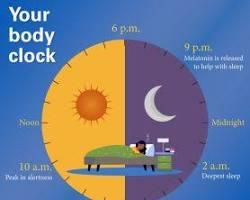
🧠 What Is a Circadian Rhythm?
A circadian rhythm is the body’s natural 24-hour internal cycle that helps regulate processes such as:
- Sleep and wake patterns
- Energy levels
- Hormone activity
- Body temperature
- Recovery processes
These natural rhythms help coordinate many daily biological functions.
⏰ Why Exercise Timing May Matter
People often notice differences in:
- Energy levels
- Motivation
- Physical performance
- Recovery perception
at different times of the day.
Research suggests that exercise timing can influence performance and consistency for some individuals, although personal preferences and schedules remain important factors.
🧍 What This Means in Daily Life
Many people worry about finding the perfect workout time.
In reality, the most effective training schedule is often the one that fits consistently into daily life.
Factors such as:
- Sleep quality
- Work schedules
- Family responsibilities
- Energy levels
- Recovery habits
often have a greater impact on long-term fitness success than trying to exercise at a specific hour.
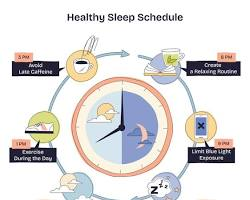
🌙 Sleep and Recovery Considerations
Sleep plays an important role in:
- Recovery
- Physical performance
- Cognitive function
- Energy regulation
Regardless of workout timing, maintaining healthy sleep habits remains one of the most important factors supporting overall fitness goals.
⚠️ Important Perspective
Research on exercise timing continues to evolve.
While some studies suggest that training at certain times of day may influence performance or recovery, individual responses vary considerably.
There is no universally ideal workout time for everyone..
Who This Guide Is For: Comprehensive Personas
The Stalled Optimizer
This athlete has hit a wall. Despite a rigorous schedule, they are seeing a decline in power and skeletal muscle density. For them, biological re-syncing is the missing variable. By shifting high-intensity sessions to windows of peak grip strength and body temperature (usually late afternoon), the Stalled Optimizer can break through plateaus and restore the AMPK-mTOR balance required for growth.
The Metabolic Warrior
For those battling insulin resistance, timing is everything. The Metabolic Warrior benefits from early-day light exposure and fasted, low-intensity movement to “reset” their glucose-handling machinery. By aligning their largest caloric demands with their peak insulin sensitivity window, they can reverse metabolic dysfunction without the catabolic risk of losing lean tissue.
Who Should Be Careful: Clinical Contraindications
Individuals dealing with PCOS, Type 1 Diabetes, or Chronic Stress must be cautious with high-intensity timing. If your cortisol is already chronically elevated, a poorly timed HIIT session can act as an accelerant for muscle wasting (proteolysis). These groups require a “Muscle-First” approach—prioritizing resistance training during the body’s natural “safety” windows to preserve tissue. Always consult a healthcare professional to ensure your chronotype adjustments aren’t inadvertently spiking inflammatory markers.
What this means in real life:
When people start matching workouts with their body clock, they usually notice:
- some workouts feel easier at certain times of day
- better energy during training sessions
- less “forced effort” feeling in workouts
- improved consistency because routines feel natural
👉 It’s less about science precision and more about personal energy awareness.
Why This Topic Is Common Today: The Modern Mismatch
Modernity has forced a “Biological Mismatch” upon us. Between the Circadian Mismatch caused by blue light exposure at midnight and the NEAT Decline (Non-Exercise Activity Thermogenesis) from sedentary desk jobs, our internal clocks are fundamentally broken. We are often eating and training during our biological “night,” leading to ultra-processed food signaling and metabolic stagnation. Chronotherapeutic protocols act as a corrective lens to re-focus our health in a 24/7 world.
What Actually Helps: The Biological Switch
The biological switch refers to the transition from glucose oxidation to fatty acid oxidation, which is a critical component of Bio-Syncing. This transition is regulated by a range of factors, including AMPK and mTOR, which are two key enzymes that play a crucial role in metabolic function. AMPK is responsible for cellular cleanup, while mTOR is responsible for muscle synthesis, and by balancing these two enzymes, individuals can optimize their metabolic function and achieve their fitness goals more efficiently. Mitochondrial biogenesis is also an important component of Bio-Syncing, as it refers to the process by which cells produce new mitochondria, which are the energy-producing structures within cells. By increasing mitochondrial biogenesis, individuals can improve their metabolic flexibility, increase their energy levels, and enhance their overall physical performance, which can have a range of benefits for overall health and wellbeing.
The 10-Day Bio-Syncing & Metabolic Protocol
| Day | Primary Metabolic State | Protocol Action | Why It Matters (Biological Purpose) |
| 1 | Aerobic Priming | Zone-2 (30m) + Myofascial | AMPK Activation: Sets the aerobic base and improves HRV. |
| 2 | Lactate Shuttling | Eccentrics + Int. Walking | Myokine Production: Improves how the body uses lactate as fuel. |
| 3 | Tension Phase | Isometrics + Zone-2 | Mitochondrial Efficiency: Increases the ATP output per cell. |
| 4 | Vagal Tone | Functional Movement | Parasympathetic Shift: Resets the nervous system for recovery. |
| 5 | Hypoxic Reset | Hypoxic Breathing + Zone-2 | PGC-1α Induction: Signals the creation of new mitochondria. |
| 6 | Hypertrophic Drive | Eccentrics + Int. Walking | mTOR Balance: Maximizes protein synthesis during peak windows. |
| 7 | Flux Optimization | Zone-2 + Myofascial | Mitochondrial Fusion: Repairs the mitochondrial network. |
| 8 | The Power Switch | HIIT (20m) + Keto Focus | Metabolic Flexibility: Forces the switch to fatty acid oxidation. |
| 9 | SIRT1 Activation | Hypoxics + Resveratrol | Longevity Signaling: Upregulates DNA repair and energy sensing. |
| 10 | Peak Output | HIIT + Zone-2 | Flexibility Capstone: Confirms total fuel-switching efficiency. |
The Biological Drivers: Understanding “The Switch”
To master chronotherapeutic training, you must manipulate three primary biological levers:
- AMPK (The Energy Sensor): Activated during your morning “fasted” window. It clears cellular debris and triggers fat burning.
- mTOR (The Growth Axis): Most responsive during your afternoon temperature peak. This is when your body is “safe” to build muscle.
- GLUT4 (The Glucose Gate): This protocol “unlocks” these transporters, allowing you to handle carbohydrates more effectively as the 10 days progress.
Quick Reference Performance Table
| Day | Enzymatic Target | Fuel Source | Performance Outcome |
| 1-2 | AMPK | Glycogen | Depletion & Priming |
| 3-5 | CPT-1 / PGC-1α | Free Fatty Acids | Lipid Threshold Entry |
| 6-8 | mTOR / SIRT1 | Ketones / Mixed | Oxidative Optimization |
| 9-10 | GLUT4 | Dual-Fuel | Metabolic Flexibilit |
Technical Outcomes & Biological Synergy
The 10-day protocol is designed to optimize metabolic function and achieve peak physical performance. After completing the protocol, individuals can expect to see significant improvements in their cellular health, including:
* Increased mitochondrial density and efficiency
* Enhanced GLUT4 sensitivity and glucose uptake in the muscles
* Optimized myokine secretion and muscle growth
* Improved insulin sensitivity and glucose metabolism
* Enhanced cardiovascular function and endurance
These cellular changes are expected to result in improved physical performance, including increased energy levels, enhanced endurance, and faster recovery times.
Internal Optimization Guides
For more information on optimizing metabolic health and functional training, check out our guides on Metabolic Fat Loss and Hybrid & Functional Training.
External Research & Clinical Sources
For more information on the science behind exercise and metabolism, check out these studies:
Exercise-induced improvements in insulin sensitivity and mitochondrial biogenesis
Mitochondrial biogenesis and dynamics in exercise and health
Results: The Quantified Athlete
After completing the 10-day protocol, individuals can expect to see significant improvements in their physical performance, including:
* Increased explosive power and speed
* Enhanced recovery rate and reduced muscle soreness
* Improved VO2 max and cardiovascular endurance
These improvements are expected to result in enhanced athletic performance and overall physical fitness.
FAQ: Performance Science Deep Dive
Q: What is the role of AMPK in metabolic function?
A: AMPK acts as your body’s energy sensor. Activating it is essential for improving how your body uses sugar and stays sensitive to insulin.
Q: How does this protocol improve insulin sensitivity?
A: It works by “unlocking the doors” (GLUT4) in your muscles, allowing sugar to move out of your blood and into your cells more efficiently.
Q: What is the significance of mitochondrial biogenesis in performance?
A: This process creates more “cellular power plants,” which increases your ATP energy levels and helps you recover faster from stress.
Related Training Protocols
- 10 Beginner Weight Loss Tips That Work at Home (Simple & Sustainable)
- 10-Minute Home Workout for Beginners to Support Weight Loss & Fitness
- 15-Minute Beginner Full Body Home Workout at Home (No Equipment + Fat Burn & Strength)
- 12-Minute Beginner HIIT Workout at Home That Builds Stamina & Burns Calories
- 9 Simple Core & Glutes Workouts for Beginners That Really Build Strength (At Home)
- Beginner Fitness Guide – 10 Easy Steps to Start Your Fitness Journey
Final Performance Takeaway
In 2026, the elite athlete is a Quantified Athlete. The success of this protocol is measured by your Strength-to-Weight Ratio and your Metabolic Score. By aligning your effort with your internal rhythm, you stop fighting your biology and start mastering it. Focus on your Armor (muscle), trust the Switch (fat burn), and master your Engine (mitochondria).
If you want to try bio-syncing your workouts:
- observe your energy levels for 3–5 days
- don’t force strict timing rules
- train when your body feels naturally active
- adjust intensity based on daily energy, not fixed clock rules
👉 The best workout time is the one your body can sustain consistently.
⚠️ Disclaimer
This article is for educational purposes only and is not intended as medical or fitness advice. Individual responses to exercise timing may vary.
📚 References
- National Institutes of Health (NIH)
- National Center for Biotechnology Information (NCBI)
- National Sleep Foundation
- Harvard Health Publishing
- American College of Sports Medicine (ACSM)
Next Step: Find Your Metabolic Bottleneck
Are you a Stalled Optimizer or a Metabolic Warrior? Stop guessing and start signaling.
To find out which of your 4 biological pillars is stalling your progress, take our 2-minute diagnostic:
Take the 2026 Bio-Recovery AuditDiscover your score across the 4 Pillars of Performance: Engine, Armor, Cleanup, and Repair.