

Introduction & The Metabolic Problem
This 2026 Zone 2 Cardio & Lipolysis Protocol is a precision metabolic strategy designed to flip the “Biological Switch.” While high-intensity training often relies on burning sugar, Zone 2 creates a specific hormonal environment that forces the body to mobilize stored adipose tissue for energy.
By keeping your heart rate in a specific “Goldilocks” zone—where oxygen is plentiful—you maximize mitochondrial flux and activate the enzymes responsible for long-term metabolic health.
In simple terms, lipolysis is just your body breaking down stored fat to use as energy when food intake is low or energy demand is high.
This happens naturally during fasting, exercise, and daily movement — it is not a special “hack” or forced process.
Most people don’t realize:
- your body switches between energy sources automatically
- fat usage increases when glucose availability is lower
- exercise intensity determines which fuel is prioritized
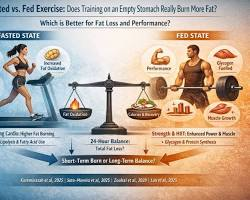
👉 This article explains the process in a structured way, but the body already knows how to do it naturally.
🧠 What Is Lipolysis?
Lipolysis is the natural process through which stored fat is broken down into smaller components that can be used by the body as a source of energy.
This process occurs continuously and is influenced by factors such as:
- Physical activity
- Energy balance
- Hormonal responses
- Nutrition habits
- Overall metabolic health
In simple terms, lipolysis is one of the body’s normal energy-management processes.
🚶 Understanding Zone 2 Exercise
Zone 2 training refers to moderate-intensity aerobic activity performed at a level where conversation is still possible but effort is noticeable.
Examples include:
- Brisk walking
- Easy jogging
- Cycling at a comfortable pace
- Steady-state cardio sessions
Zone 2 training is commonly used to support cardiovascular fitness and aerobic endurance.
Zone 2 Cardio: The Lipolysis & AMPK Protocol
Triggering lipolysis is not just about moving; it is about signaling. In 2026, we utilize Zone 2 to stimulate the AMPK pathway, which acts as a “fuel sensor” that prioritizes fat burning over glucose storage. This protocol ensures that your weight loss comes from fat stores while preserving your metabolic engine: muscle.
The Science: Why Zone 2?
Zone 2 training (typically 60-70% of Max HR) is the highest intensity at which your mitochondria can primarily oxidize fat.
Lactate Clearance: Zone 2 improves your ability to clear lactate, making you more resilient during higher-intensity efforts.
The Lipid Switch: At this intensity, your body upregulates CPT1, the gatekeeper enzyme that shuttles fatty acids into the mitochondria.
Mitochondrial Health: Unlike HIIT, which can be catabolic under stress, Zone 2 promotes mitochondrial biogenesis via PGC-1α, creating more “cellular power plants.”
What this means in real life:
When people consistently train in Zone 2 and occasionally exercise in a fasted state, they often notice:
- more stable energy during the day
- better endurance over time
- improved fat utilization during long activities
- less fatigue during moderate exercise
👉 The biggest change is not “instant fat loss” — it is improved metabolic efficiency.
Who This Guide Is For: Comprehensive Personas
The Stalled Optimizer
The Challenge: An athlete who has plateaued because they spend too much time in “no-man’s land” (Zone 3). This burns sugar, causes fatigue, and halts fat loss.
- The Fix: Reintroducing Zone 2 to build the “Aerobic Base,” allowing for fat burning without the recovery tax of high-intensity sessions.
The Metabolic Warrior
The Challenge: Dealing with insulin resistance or the “Modern Mismatch” (sedentary life + ultra-processed food).
- The Fix: Using Zone 2 as a non-pharmacological way to increase GLUT4 translocation, pulling sugar out of the blood and into the muscle without needing high insulin levels.
Clinical Contraindications: Proceed with Caution
While Zone 2 is generally safe, certain conditions require a “muscle-first” or highly monitored approach:
- PCOS & Type 1 Diabetes: Individuals with PCOS may need to carefully balance duration to avoid triggering androgen spikes. Type 1 diabetics must monitor insulin levels closely, as increased energy expenditure drastically alters glucose requirements.
- Chronic Stress & High Cortisol: If your body is already in a state of “fight or flight,” excessive cardio can lead to muscle wasting. In these cases, Zone 2 should be paired with resistance training and stress-mitigation tools like yoga to ensure the body remains in an anabolic (building) state rather than a catabolic (breaking down) one.
🌅 What Is Fasted Training?
Fasted training typically refers to exercise performed after an overnight fast or before the first meal of the day.
Some people choose this approach for convenience or personal preference.
Research suggests that fuel utilization patterns may differ between fed and fasted exercise, but individual responses vary considerably.
👉 Long-term fitness outcomes are influenced by overall training consistency rather than a single workout condition.
🧍 What This Means in Daily Life
Many people assume fat loss depends on finding the perfect workout method.
In reality, long-term results are more strongly influenced by:
- Consistent physical activity
- Sustainable nutrition habits
- Sleep quality
- Recovery practices
- Overall calorie balance
Exercise methods can play a role, but they are only one piece of the larger picture.
The Modern Mismatch: Why We Need Zone 2 Now
Our current environment is a recipe for metabolic dysfunction. We face a “Modern Mismatch” driven by:
- Circadian Disruption: Poor sleep and blue light exposure throw off our internal clocks, causing the body to store glucose rather than burn fat.
- Ultra-Processed Diets: Constant access to refined carbs keeps insulin high, effectively “locking” the door to our fat stores.
- The NEAT Deficit: A decline in Non-Exercise Activity Thermogenesis (movement like walking or standing) means our baseline energy burn is lower than ever.
Zone 2 acts as a corrective tool, reintroducing the low-and-slow activity our ancestors engaged in daily, thereby restoring our natural fat-burning settings.
The Biological Switch: How it Works
The effectiveness of Zone 2 is rooted in three cellular mechanisms:
GLUT4 Translocation: Zone 2 increases the expression of GLUT4 (glucose transporters), allowing your muscles to pull sugar out of the bloodstream more efficiently, which drastically improves insulin sensitivity.
The AMPK Pathway: Exercise in Zone 2 activates AMPK, the body’s master energy sensor. This flips the “switch” from glucose oxidation to fatty acid oxidation.
Mitochondrial Biogenesis: This intensity stimulates PGC-1α and SIRT1, proteins that signal your body to create more mitochondria. More mitochondria mean a higher capacity to burn fat at rest.
⚠️ Important Considerations
Fasted exercise is not necessary for everyone.
Factors such as:
- Training goals
- Fitness level
- Medical history
- Energy needs
- Personal preference
can influence whether fasted training is appropriate.
There is no single exercise approach that guarantees superior fat-loss outcomes for all individuals.
The 10-Day Zone 2 & Mitochondrial Power Protocol
| Day | Primary Metabolic State | Protocol Action | Why It Matters (Biological Purpose) |
| 1 | AMPK Priming | Zone 2 (30m) + Myofascial | Energy Sensing: Initiates the switch to fatty acid oxidation. |
| 2 | Mito-Efficiency | Int. Walking + Eccentrics | Biogenesis: PGC-1α induction to grow new mitochondria. |
| 3 | Lactate Power | Isometrics + Functional Move | MCT1 Expression: Trains the body to use lactate as a fuel source. |
| 4 | Glucose Reset | Zone 2 (30m) + Myofascial | GLUT4 Upregulation: Improves insulin sensitivity and sugar transport. |
| 5 | SIRT1 Drive | Int. Walking + Hypoxics | Mitochondrial Function: SIRT1 activation for DNA repair and energy. |
| 6 | Energy Flux | Zone 2 (30m) + Myofascial | AMPK Stabilization: Deepens the body’s ability to stay in a fat-burn state. |
| 7 | Threshold Shift | Isometrics + Functional Move | MCT1 Priming: Prepares the system for higher intensity. |
| 8 | CPT1 Activation | Zone 2 + Hypoxic Breathing | The Power Switch: Maximizes fatty acid transport into cells. |
| 9 | SIRT1 Reset | Int. Walking + Eccentrics | Mito-Cleanup: SIRT1-mediated cellular “housekeeping.” |
| 10 | Peak Output | Zone 2 + Myofascial | PGC-1α Capstone: Finalizing the mitochondrial infrastructure. |
Biological Outcomes: The Quantitative Result
By the end of this 10-day cycle, your cellular machinery undergoes a significant upgrade:
- Increased CPT1 Expression: You move fat into your “cellular incinerators” faster.
- Enhanced GLUT4 Sensitivity: Your muscles become magnets for blood sugar, lowering your insulin needs.
- Vagal Tone Improvement: Your HRV (Heart Rate Variability) should rise, signaling a shift toward a parasympathetic (recovery) state.
Quick Reference Performance Table
| Metric | Regulatory Target | Performance Outcome |
| Fat Oxidation | CPT1 / AMPK | Increased Lipolysis and fat burn rate |
| Sugar Control | GLUT4 Translocation | Lower blood glucose and higher insulin sensitivity |
| Endurance | PGC-1α / SIRT1 | Higher mitochondrial density and less fatigue |
| Recovery | MCT1 / Vagus Nerve | Faster lactate clearance and higher HRV |
Internal Optimization Guides
Deepen your knowledge of specific 2026 training modalities through our dedicated portals:
- Metabolic Fat Loss: Master the science of lipid mobilization and insulin sensitivity.
- Functional Training: Build a body that performs as well as it looks through hybrid movement patterns.
External Research & Clinical Sources
Stay informed with the latest peer-reviewed data supporting these protocols:
- Exercise-Induced Improvements in Insulin Sensitivity (2020): A deep dive into how movement unlocks the GLUT4 pathway.
- Mitochondrial Biogenesis and Dynamics in Exercise (2021): Understanding the “Engine” at a molecular level.
The Quantified Result: What to Expect
After 10 days of adherence to these integrated metabolic protocols, the Quantified Athlete typically sees the following shifts in their biometric data:
- Increased VO2 Max Markers: Improved oxygen utilization during steady-state efforts.
- Enhanced HRV (Heart Rate Variability): A stronger parasympathetic shift, signaling better recovery from chronic stress.
- Optimized Strength-to-Weight Ratio: The primary metric of success, ensuring weight loss is strictly adipose-driven.
FAQ: Performance Science Deep Dive
Q: Can I do Zone 2 every day?
A: Yes. Unlike HIIT, Zone 2 is a “recovery-neutral” or even “recovery-positive” activity. It flushes the lymphatic system and promotes blood flow without damaging muscle fibers.
Q: How do I know if I’m in Zone 2 without a heart rate monitor?
A: Use the “Talk Test.” You should be able to hold a full conversation, but you should sound like you are exercising. If you can only speak in short sentences, you’ve drifted into Zone 3.
Q: Does Zone 2 help with GLP-1 weight loss?
A: It is essential. GLP-1 medications can decrease appetite, but Zone 2 ensures that the weight lost is primarily fat and helps protect the skeletal muscle density that is often lost during rapid weight loss.
Final Performance Takeaway
The success of a GLP-1 or Incretin-based protocol is not found on the bathroom scale. It is found in your ability to maintain explosive power and functional strength while your body aggressively targets stubborn fat.
If your goal is better fat utilization:
- don’t overcomplicate fasting strategies
- prioritize consistent Zone 2 activity
- avoid extreme training or diet swings
- focus on long-term energy stability
👉 Your body adapts best when stress is moderate and consistent.
In the modern world of “Biological Mismatch,” these protocols act as the bridge back to your natural metabolic state. Focus on your Armor, trust the Switch, and master your Engine.
“Body recomposition, not just weight loss, is the ultimate goal for 2026 longevity.”
⚠️ Disclaimer
This article is for educational purposes only and is not intended as medical, nutritional, or fitness advice. Exercise and nutrition strategies should be adapted to individual needs and circumstances.
📚 References
- National Institutes of Health (NIH)
- National Center for Biotechnology Information (NCBI)
- American College of Sports Medicine (ACSM)
- Harvard Health Publishing
- Cleveland Clinic
Next Step: Find Your Metabolic Bottleneck
Are you a Stalled Optimizer or a Metabolic Warrior? Stop guessing and start signaling.
To find out which of your 4 biological pillars is stalling your progress, take our 2-minute diagnostic:
Take the 2026 Bio-Recovery AuditDiscover your score across the 4 Pillars of Performance: Engine, Armor, Cleanup, and Repair.