
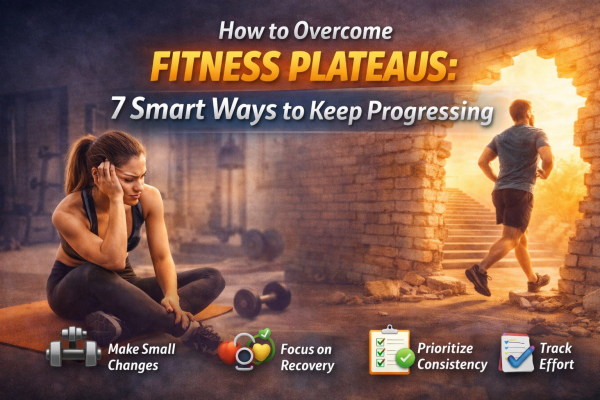
Which of these plateau-breaking tips feels easiest for you to try this week? Fitness Plateaus You start strong with workouts, feel motivated, and notice early improvements. Then suddenly—nothing changes. Your energy feels the same, strength doesn’t increase, and progress seems stuck. This situation is extremely common, especially for beginners trying to stay consistent.
A fitness plateau doesn’t mean your efforts are wasted or that your routine is failing. It usually means your body has adapted to what you’re doing. Understanding why this happens helps you move forward without frustration.
From my experience, small adjustments are often more effective than big changes. This guide is designed for beginners who want steady progress without complicated plans or extreme methods.
This article is regularly updated to reflect current beginner fitness practices in 2026.

Who This Guide Is For
- Beginners feeling stuck with workouts
- People doing home or basic exercise routines
- Anyone trying to stay consistent without burnout
Who Should Be Careful
- Those with injuries or medical conditions should seek personalized guidance before changing routines
Why Fitness Plateaus Are So Common Today
Many beginners believe progress should be constant. In reality, the body adapts quickly to repeated movements and routines. When workouts stay the same for too long, results naturally slow down.
Common reasons plateaus happen:
- Repeating the same workout every week
- Not allowing enough recovery
- Doing exercises without gradual challenge
- Expecting fast results instead of steady improvement
Most people quit at this stage, even though it’s actually a sign that their body is learning and adapting.
Fitness Plateau – What Actually Helps
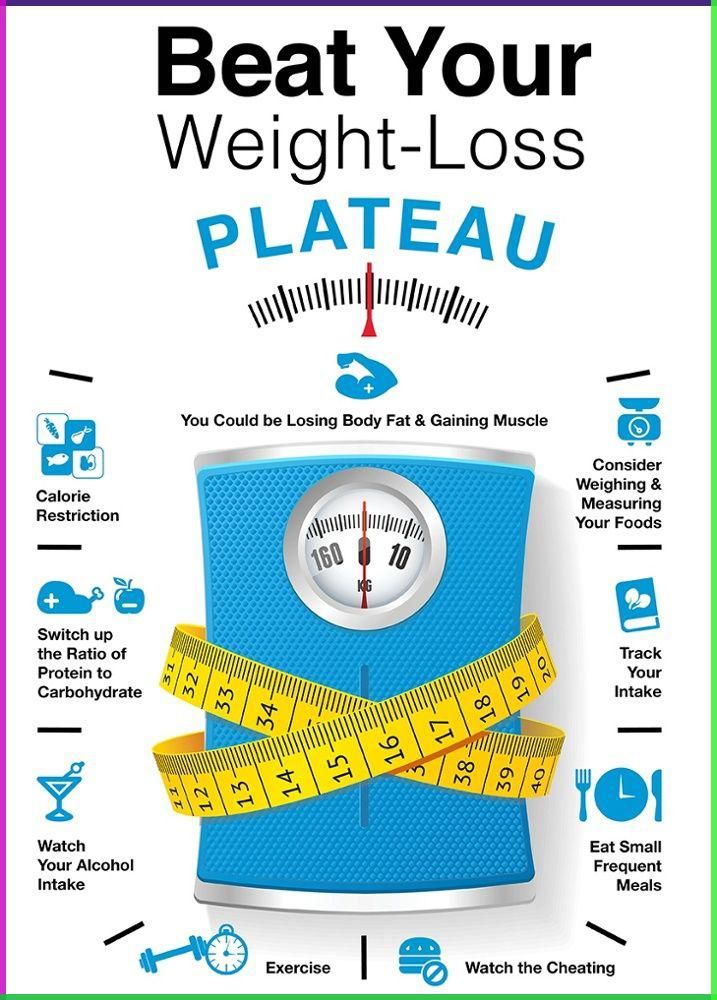
1️⃣ Change One Small Thing at a Time
You don’t need a full routine overhaul. Change just one element:
- Add 2–3 more reps
- Increase workout time by 5 minutes
- Try a new variation of the same exercise
Small changes create new challenges without overwhelming beginners.
2️⃣ Focus on Workout Quality, Not Just Quantity
Doing more workouts doesn’t always mean better progress. Instead:
- Slow down movements
- Focus on control and posture
- Reduce rushing through exercises
I have seen this work for many people when followed consistently.
3️⃣ Add Planned Recovery Days
Progress doesn’t only happen during workouts. Recovery allows the body to adapt and rebuild.
- Take 1–2 lighter days per week
- Use gentle movement instead of full rest
- Avoid training the same muscles daily
This often helps restart progress naturally.
4️⃣ Rotate Your Exercises Weekly
Doing the same exercises daily limits improvement. Simple rotation helps:
- Swap squats for lunges
- Change push-ups to incline push-ups
- Alternate cardio styles
New movement patterns stimulate progress without increasing difficulty.
5️⃣ Track Effort, Not Just Results
Progress isn’t only about visible change.
Track:
- Energy levels
- Workout consistency
- Ease of completing exercises
Often, progress is happening quietly before it becomes noticeable.
6️⃣ Reduce Expectations, Increase Consistency
Many plateaus are mental, not physical. Expecting fast results creates frustration.
Instead:
- Aim for regular effort
- Accept slower phases
- Stay patient
Consistency supports long-term improvement.
7️⃣ Revisit Your Original “Why”
Plateaus are easier to overcome when motivation is clear.
Ask yourself:
- Why did I start?
- What habits have improved already?
This mindset shift helps maintain momentum.
Reality Check
- Results vary from person to person
- Progress is rarely linear
- Small steps matter more than quick changes
- Consistency supports long-term fitness
Quick Reference Checklist
| Habit | How Often | Beginner-Friendly |
| Change one workout element | Weekly | Yes |
| Focus on form & control | Every workout | Yes |
| Plan recovery days | Weekly | Yes |
| Rotate exercises | Weekly | Yes |
| Track effort & consistency | Daily | Yes |
What Results Can You Expect Over Time?
Following these tips may:
- Help restart stalled fitness progress
- Support better workout consistency
- Improve confidence and motivation
- Reduce frustration and burnout
Progress often improves gradually, not overnight.
Final Takeaway
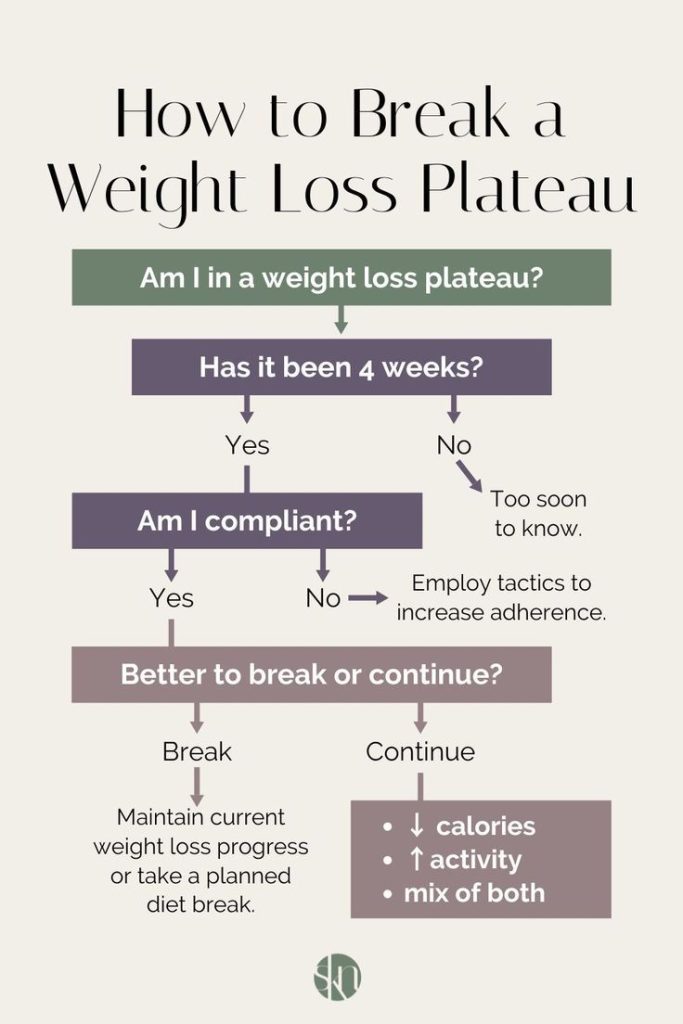
Hitting a fitness plateau is normal and temporary.
It doesn’t mean failure—it means adaptation.
Small changes, patience, and consistency matter more than intensity.
Focus on habits, not pressure.
Progress follows steady effort.
Small Steps Matter
Start by changing just one thing this week.
Bookmark this guide for later reference.
Read our next post on injury prevention to stay safe while progressg.
Also Read : Beginner Exercise Plan: 15 Minutes a Day to Get Started Safely
Easy Fitness Routine for Beginners: No Equipment Needed (Start at Home)
How to Get Fit at Home: Beginner’s Edition | Simple Home Fitness Guide
Simple Fitness Habits to Kickstart Your Health | Beginner-Friendly Guide
Fitness Tips for Beginners Who Don’t Know Where to Start | Easy Start Guide
Step-by-Step Beginner Fitness Guide for Busy People | Quick & Easy Workouts
Frequently Asked Questions
Q1: How long does a fitness plateau usually last?
A: A fitness plateau can last a few weeks depending on routine, recovery, and consistency.
Q2: Should beginners increase workout intensity during a plateau?
A: Beginners should focus on small changes first rather than sudden intensity increases.
Q3: Is a fitness plateau a sign of failure?
A: No. A fitness plateau often means your body has adapted and needs a new challenge.
Next Step: Find Your Metabolic Bottleneck
Are you a Stalled Optimizer or a Metabolic Warrior? Stop guessing and start signaling.
To find out which of your 4 biological pillars is stalling your progress, take our 2-minute diagnostic:
Take the 2026 Bio-Recovery AuditDiscover your score across the 4 Pillars of Performance: Engine, Armor, Cleanup, and Repair.