

Which daily fitness habit feels easiest for you to start this week? Fitness Habits Build Consistency for Beginners Starting fitness is easy, but sticking with it is where most beginners struggle. Many people begin with motivation, only to lose consistency after a few days or weeks. This usually happens because routines feel overwhelming or unrealistic for daily life.
Fitness habits matter because consistency—not intensity—is what supports long-term progress. This guide is designed for beginners who want simple, repeatable routines that fit into busy schedules without stress.
By focusing on fitness habit building for beginners, this article shows how daily and weekly routines can work together naturally. From my experience, habits built slowly are far more sustainable than sudden extreme changes.
This article is regularly updated to reflect current fitness habit-building practices in 2026.
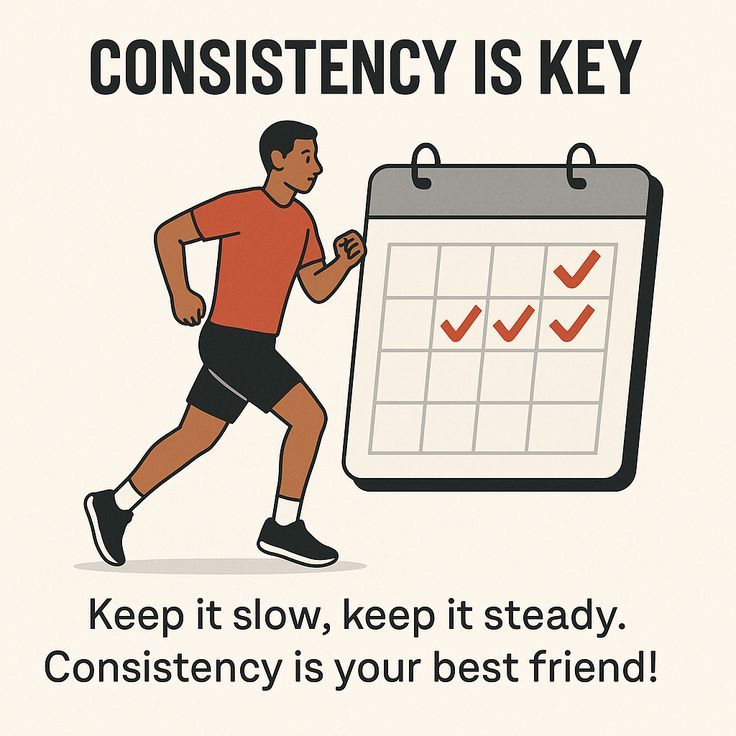
🔹 WHO THIS GUIDE IS FOR
Who This Guide Is For
- Beginners starting fitness for the first time
- People restarting after a long break
- Anyone struggling with workout consistency
Who Should Be Careful
- Those with injuries or medical conditions should seek personal guidance before starting new routines
🔹 WHY FITNESS HABITS ARE HARD FOR BEGINNERS
Modern routines are busy and unpredictable. Beginners often try to copy advanced workout plans, set unrealistic goals, or expect fast results. When progress feels slow, habits break.
The most common issue is relying on motivation instead of structure. Habits fail when routines are too long, too intense, or too rigid for daily life.
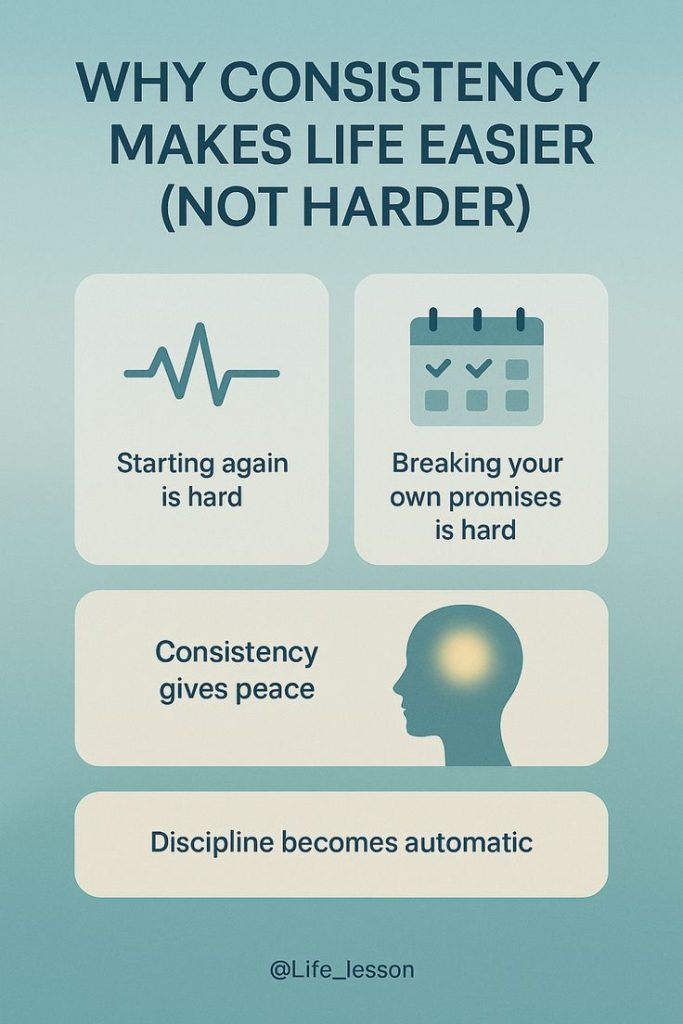
🔹 FITNESS HABIT BUILDING FOR BEGINNERS – WHAT ACTUALLY HELPS
1️⃣ Start With One Daily Non-Negotiable Habit
Choose one simple action—such as 10 minutes of movement or stretching. This becomes your daily anchor.
Keeping it small reduces resistance and builds consistency without pressure.
2️⃣ Separate Daily Habits From Weekly Workouts
Daily habits focus on movement, while weekly routines include structured workouts. This balance keeps fitness flexible.
For example, move daily but schedule 3 workouts per week.
3️⃣ Fix Time, Not Duration
Pick a regular time for activity instead of forcing long sessions. Morning, afternoon, or evening—consistency matters more than length.
I have seen this work for many people when followed consistently.
4️⃣ Use Weekly Planning to Remove Guesswork
At the start of each week, decide:
- Which days you’ll work out
- What type of workouts you’ll do
This removes decision fatigue during busy days.
5️⃣ Track Habits, Not Just Workouts
Checking off daily movement builds momentum. Tracking habits reinforces identity—“I am someone who moves regularly.”
This approach feels more motivating than tracking calories or intensity.
6️⃣ Keep Beginner Routines Flexible
Missed a day? Resume the next one. Flexibility prevents guilt and keeps habits intact.
Rigid plans break easily; flexible ones survive real life.
7️⃣ Review Progress Weekly, Not Daily
Weekly reviews help you notice patterns without overthinking. Adjust routines gently based on energy, not perfection.
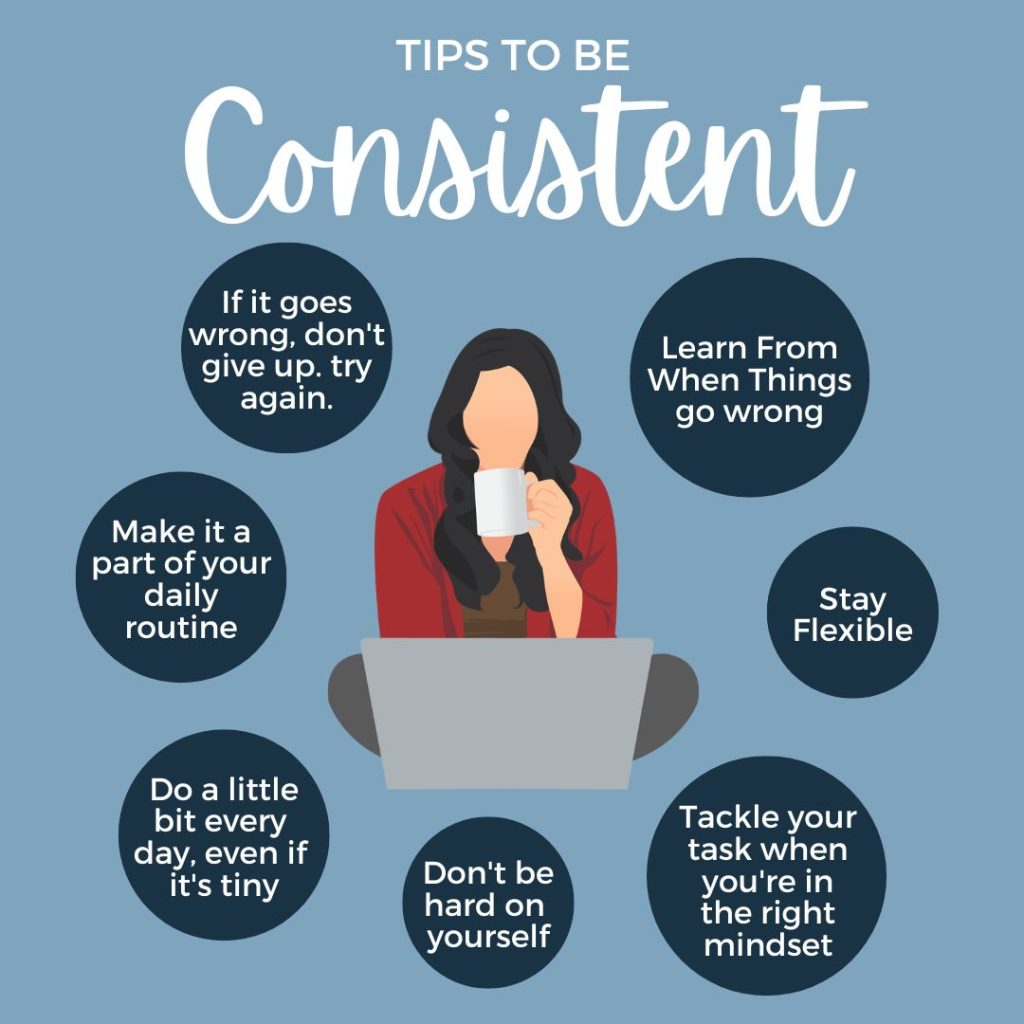
🔹 REALITY CHECK
Habit-building is not linear. Some weeks will feel easier than others. Progress comes from showing up more often than not.
Small habits, repeated consistently, support long-term fitness far better than extreme routines.
🔹 QUICK REFERENCE TABLE / CHECKLIST
| Habit | How Often | Beginner-Friendly |
| Daily movement | Daily | Yes |
| Structured workouts | 3x/week | Yes |
| Fixed workout time | Daily | Yes |
| Weekly planning | Weekly | Yes |
| Habit tracking | Daily | Yes |
🔹 WHAT RESULTS CAN YOU EXPECT OVER TIME?
Following these routines may help workouts feel easier to maintain and less stressful. Many beginners notice better consistency, improved confidence, and reduced workout skipping.
Over time, habits can support fitness progress without burnout or reliance on motivation alone.
🔹 FINAL TAKEAWAY
Fitness habits don’t need to be complicated. Simple daily actions combined with light weekly planning create sustainable routines.
Focus on showing up consistently, not doing everything perfectly.
🔹 SMALL STEPS MATTER
Start with one habit today. Bookmark this guide or read a related FitBodySync post to continue building routines that fit your life naturally.
Also read 7 Simple Ways for Women 30+ to Tone Belly & Improve Core Strength (2026 Guide)
10-Minute Beginner Home Workout (No Equipment Needed) – Tone & Strengthen in 2026
10-Minute Home Workout for Beginners to Support Weight Loss (No Equipment Needed)
5-Step Full-Body Workout for Beginners | Easy Home Routine
7 Easy Home Exercises for Beginners | Tone Belly & Build Core
7-Step Weight Loss Program for Beginners | Safe & Effective Steps
5 Proven Ways to Tone Belly & Support Weight Management | 2026 Guide
7 Simple Ways to Support Weight Management at Home for Busy Beginners
5 Expert Tips to Tone Belly & Support Weight Management – FitBodySync 2026 Guide
5 Simple Ways to Improve Your Health in 10 Minutes a Day – Beginner-Friendly Tips
FAQ
Q1: How long does fitness habit building take for beginners?
A: Fitness habit building for beginners varies, but consistency over weeks often feels more natural than chasing fast results.
Q2: Is daily exercise required to build habits?
A: No. Daily movement helps, but structured workouts can be done weekly.
Q3: What if I miss a workout?
A: Resume the next planned session—flexibility keeps habits alive.
Next Step: Find Your Metabolic Bottleneck
Are you a Stalled Optimizer or a Metabolic Warrior? Stop guessing and start signaling.
To find out which of your 4 biological pillars is stalling your progress, take our 2-minute diagnostic:
Take the 2026 Bio-Recovery AuditDiscover your score across the 4 Pillars of Performance: Engine, Armor, Cleanup, and Repair.