
Beginner Weight Loss Diet: Confused about what to eat or avoid? Learn a simple beginner diet, portion control, meal timing, common mistakes, and realistic results.
Starting a beginner weight loss diet is one of the most confusing steps for anyone who has never dieted before. The confusion does not come from lack of effort. It comes from too much information presented without context.
Beginners are told to:
- Eat less
- Cut carbs
- Avoid fats
- Try fasting
- Exercise more
But no one explains how these rules fit into real daily life, especially for someone managing home, family, stress, and limited time.
Many beginners start dieting with fear. Fear of eating the wrong food. Fear of gaining weight again. Fear of failing like before. This fear often leads to extreme decisions, such as skipping meals or following strict plans that are impossible to maintain.
From my experience, beginners don’t need strict rules. They need clear understanding. When people understand why they are eating a certain way, they stop feeling lost and start feeling in control.
This article explains weight loss dieting in a way that absolute beginners can understand, follow, and sustain.
Also read more 15-Minute Beginner Full Body Workout at Home for Fat Loss & Strength
10-Minute Home Workout for Beginners to Support Weight Loss & Fitness
The Core Problem with Beginner Weight Loss Diets
The biggest problem with most beginner weight loss diets is that they are designed for short-term results, not long-term habits.
Beginners usually face one or more of these issues:
- Eating very little to lose weight faster
- Feeling hungry all day
- Losing energy and motivation
- Breaking the diet and feeling guilty
- Restarting again and again
This cycle damages confidence. Over time, beginners start believing that weight loss is not meant for them.
The truth is different.
Weight loss fails not because beginners are weak, but because the diet approach does not match beginner physiology, mindset, or lifestyle.
A beginner’s body needs:
- Enough food to function
- Stable blood sugar
- Gradual changes
- Time to adapt
When these needs are ignored, the diet collapses.

What a Beginner Weight Loss Diet REALLY Is
A beginner weight loss diet is not a fixed meal plan.
It is a learning phase.
At this stage, the goal is not to eat perfectly.
The goal is to:
- Understand hunger
- Improve food quality
- Reduce excess calories naturally
- Build confidence around food
For beginners, a successful diet:
- Feels doable
- Does not create fear
- Does not rely on willpower alone
- Fits daily routine
This is why “simple” diets work better than “perfect” diets.
How Weight Loss Actually Happens
Weight loss happens when the body consistently uses more energy than it receives from food. This is called a calorie deficit, but beginners do not need to calculate numbers to understand this.
When food quality improves:
- Hunger reduces
- Portions become smaller naturally
- Snacking decreases
- Energy improves
This creates a calorie deficit without conscious restriction.
For beginners, this natural deficit is safer and more sustainable than forced dieting.
What to Eat on a Beginner Weight Loss Diet
Understanding the Real Problem with “What to Eat”
For beginners, deciding what to eat is not just about food. It is about fear of making the wrong choice. Every platform gives different advice, and beginners feel pressure to follow the “best” diet instead of the right diet for them.
One article says carbohydrates cause weight gain.
Another says fats should be avoided.
Social media promotes extreme meal plans that look unrealistic for daily family life.
This confusion usually leads beginners into two unhealthy patterns.
The first pattern is overthinking food. Beginners start analyzing every meal, counting calories mentally, worrying about portions, and feeling stressed before eating. This stress often leads to burnout.
The second pattern is giving up completely. When rules feel too complicated, beginners stop trying and return to old habits, believing weight loss is too hard.
also read : 10 Beginner Weight Loss Tips That Work at Home (Simple & Sustainable)
👉 Value for beginners:
Understanding this problem helps beginners stop blaming themselves. The issue is not lack of discipline, but lack of clarity.
A beginner weight loss diet works best when it is simple, repeatable, and stress-free.
Whole Foods: The Foundation of Beginner Weight Loss
What Whole Foods Mean
Whole foods are foods that are as close as possible to their natural state. They are not heavily processed, packed, or altered.
Examples of whole foods:
- Vegetables (carrots, beans, spinach)
- Fruits (apple, banana, orange)
- Whole grains (rice, oats, millets)
- Lentils and beans (dal, chana, rajma)
- Eggs
- Nuts and seeds
These foods provide not only calories, but also fiber, vitamins, minerals, and natural structure that helps the body feel full.
👉 Value for beginners:
Whole foods teach the body how to regulate hunger naturally, without strict dieting.
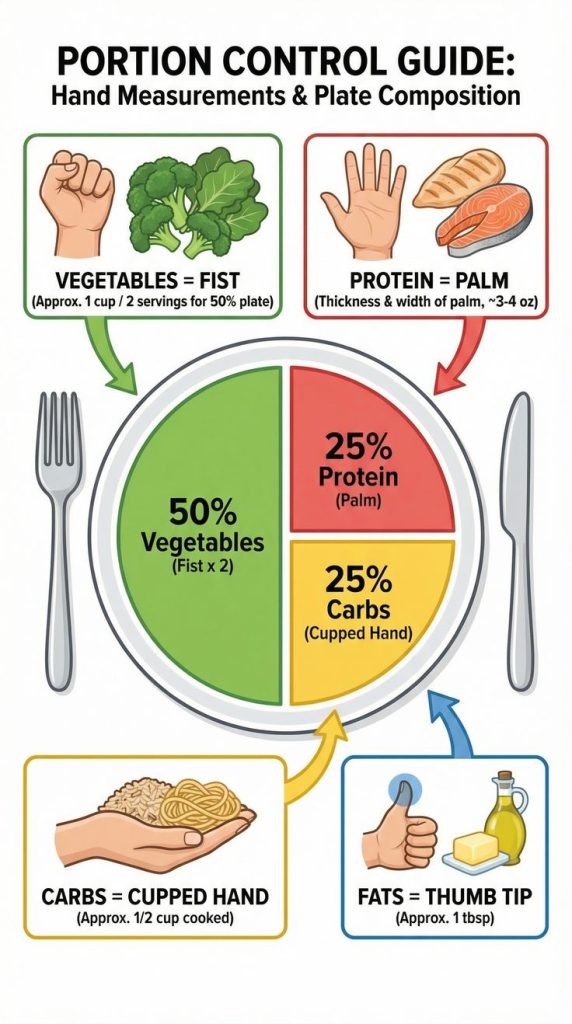
Why Whole Foods Matter So Much for Beginners
Processed foods are designed to be quick, tasty, and easy to overeat. They digest very fast, which causes hunger to return quickly even after eating a full packet.
Whole foods digest slowly because of their fiber and natural texture. This slow digestion:
- Keeps you full longer
- Reduces constant snacking
- Prevents sudden hunger
- Stabilizes energy levels
For beginners, this is extremely important because controlling hunger is harder than controlling food choice.
👉 Example:
Eating a packet of biscuits may feel filling for 30 minutes, but hunger returns quickly.
Eating a plate of rice, dal, and vegetables keeps you full for several hours.
👉 Value for beginners:
Whole foods reduce hunger without forcing portion control, making weight loss easier to maintain.
How Beginners Can Use Whole Foods in Daily Life
Beginners often think weight loss means removing favorite foods. This creates resistance. A better approach is to add whole foods first.
Simple ways to do this:
- Add vegetables to lunch and dinner
- Choose fruit when you feel like eating something sweet
- Increase home-cooked meals gradually
You don’t need to change every meal. Start with one meal per day.
👉 Example:
If lunch is usually rice and curry, add one vegetable side.
If evening snack is biscuits, add fruit first.
👉 Value for beginners:
Adding instead of removing reduces feelings of restriction and increases consistency.
Practical Beginner Examples
Here are realistic food swaps beginners can follow without stress:
- Rice + vegetables + dal instead of instant noodles
This provides protein, fiber, and long-lasting energy instead of quick hunger. - Fruit instead of biscuits or bakery snacks
Fruits satisfy sweet cravings while providing fiber and vitamins. - Home-cooked sabzi instead of fried snacks
Home cooking reduces excess oil and helps portion control.
👉 Value for beginners:
These swaps do not require special cooking skills and fit normal family meals.
Common Beginner Mistakes with Whole Foods
A common beginner mistake is thinking whole foods are boring or tasteless. This belief often comes from associating healthy eating with strict diets.
Another mistake is switching completely to whole foods overnight. This sudden change can:
- Increase cravings
- Feel restrictive
- Lead to binge eating
👉 Example:
Going from daily snacks to only salads can feel overwhelming and unsustainable.
👉 Value for beginners:
Gradual change builds confidence and prevents relapse.
Expected Results When Beginners Focus on Whole Foods
When beginners consistently eat more whole foods, changes appear faster than expected.
Within 1–2 weeks:
- Hunger reduces
- Digestion improves
- Energy levels stabilize
- Cravings decrease
Weight loss may be slow initially, but the body becomes easier to manage.
👉 Value for beginners:
Early improvements in energy and hunger make it easier to stay consistent long term.
Comparison Tables
Table 1: Whole Foods vs Processed Foods (For Beginners)
| Aspect | Whole Foods | Processed Foods |
|---|---|---|
| How they digest | Slow digestion | Fast digestion |
| Hunger control | Keeps you full longer | Hunger returns quickly |
| Portion control | Easier naturally | Easy to overeat |
| Nutrient value | High (fiber, vitamins, minerals) | Low (mostly calories) |
| Energy levels | Stable energy | Energy spikes & crashes |
| Weight loss impact | Supports steady fat loss | Slows or stops progress |
| Beginner-friendly | Yes, sustainable | No, addictive patterns |
👉 Value for beginners:
This table helps beginners visually understand why whole foods make dieting easier, not harder.
Table 2: Common Beginner Food Swaps (Real Life)
| Usual Choice | Better Beginner Choice | Why It Helps |
|---|---|---|
| Biscuits | Fruit | Less sugar, more fiber |
| Instant noodles | Rice + dal + vegetables | Better fullness & nutrition |
| Fried snacks | Home-cooked sabzi | Less oil, better digestion |
| Sugary drinks | Water / plain tea | Cuts calories without hunger |
| Bakery items | Homemade snacks | Portion control |
👉 Value for beginners:
Shows that weight loss is about small swaps, not complete food rejection.
Conclusion
A beginner weight loss diet does not require strict rules, expensive foods, or extreme discipline. It requires understanding food, making small improvements, and repeating them daily.
Whole foods form the foundation because they naturally control hunger, improve digestion, and support steady energy. When beginners focus on adding nutritious foods instead of removing everything they enjoy, weight loss becomes less stressful and more sustainable.
The goal is not to eat perfectly, but to eat better than before, consistently.
FAQs
1. Do beginners need to eat only whole foods to lose weight?
No. Beginners do not need perfection. Even eating mostly whole foods and reducing processed foods gradually is enough to see progress.
2. Are whole foods expensive for beginners?
No. Local fruits, vegetables, rice, lentils, and seasonal foods are often cheaper than packaged snacks and fast food.
3. Can beginners eat rice and still lose weight?
Yes. Rice can be part of a beginner weight loss diet when eaten in balanced portions with vegetables and protein.
4. How fast will beginners see weight loss results?
Weight loss may start slowly, but improvements in hunger, energy, and digestion often appear within 1–2 weeks.
5. What if I can’t eat whole foods all the time?
That’s okay. Progress comes from consistency, not perfection. Focus on improving most meals, not every meal.
Next Step: Find Your Metabolic Bottleneck
Are you a Stalled Optimizer or a Metabolic Warrior? Stop guessing and start signaling.
To find out which of your 4 biological pillars is stalling your progress, take our 2-minute diagnostic:
Take the 2026 Bio-Recovery AuditDiscover your score across the 4 Pillars of Performance: Engine, Armor, Cleanup, and Repair.