

Which meal prep habit feels easiest for you to start this week? Meal Prep Tips for Long : Many people start fitness routines with motivation but struggle to stay consistent when daily life gets busy. One of the biggest challenges is deciding what to eat every day. Without a plan, it’s easy to skip meals or rely on unhealthy convenience foods.
Meal prep tips help simplify daily nutrition by reducing decision fatigue and saving time. When done correctly, meal prep supports long-term fitness success without strict rules or complicated cooking. From my experience, simple meal preparation habits are easier to maintain and help beginners stay consistent even during busy weeks.
This article is regularly updated to reflect current fitness nutrition and meal preparation practices in 2026, focusing on realistic and beginner-friendly routines.

Who This Guide Is For
- Beginners starting a fitness journey
- Busy people struggling with daily food decisions
- Anyone seeking sustainable nutrition habits
Who Should Be Careful
- Individuals with medical or dietary conditions should seek personal guidance
Why Meal Prep Feels Hard to Maintain Long Term
Many people quit meal prep because:
- They try overly complex plans
- They prep too many meals at once
- They get bored with repetitive food
As a result, meal prep feels exhausting instead of helpful. Long-term success comes from keeping preparation simple, flexible, and realistic.
Meal Prep Tips – What Actually Helps
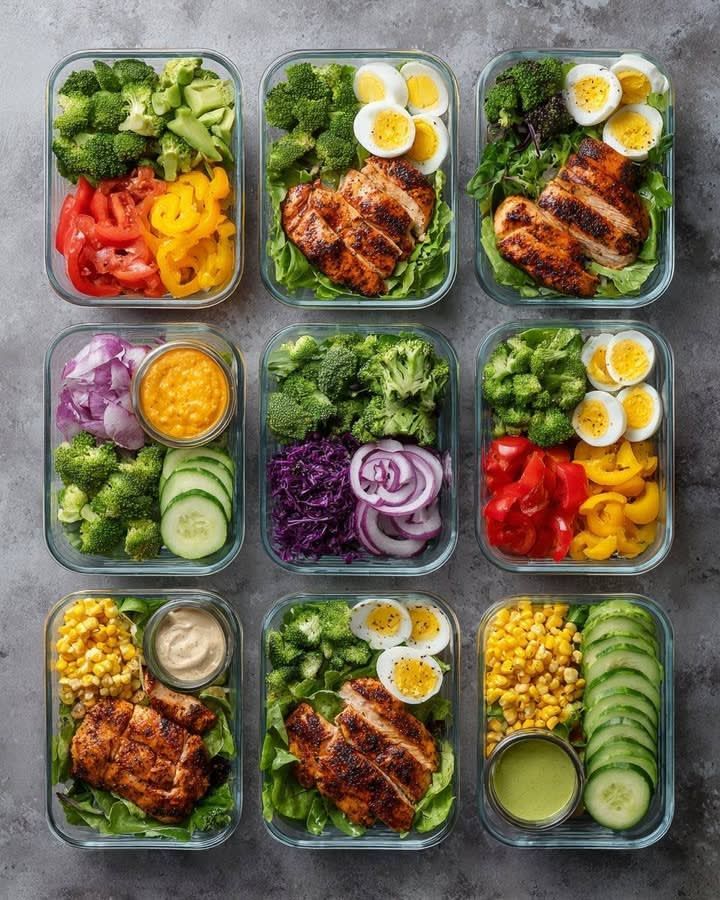
1. Start With a Simple Weekly Plan
Choose meals for just a few days instead of the entire week. This reduces pressure and allows flexibility.
2. Prep Ingredients, Not Full Meals
Instead of cooking complete meals, prep basics like chopped vegetables, cooked grains, or proteins. This makes daily meals easier and less repetitive.
3. Choose Meals You Actually Enjoy
Meal prep only works if you like the food. Avoid forcing “perfect” meals you don’t enjoy.
I have seen this work for many people when followed consistently.
4. Keep Portions Realistic
Avoid prepping oversized portions. Moderate portions help maintain balance and reduce food waste.
5. Use Repeatable Meal Combos
Create simple combinations like:
- Protein + vegetables + grains
- Protein + salad + healthy fats
These combos simplify decision-making.
6. Schedule One Prep Day Weekly
Choose one consistent day for light meal prep. Even 60–90 minutes can support the entire week.
7. Store Meals Properly
Use airtight containers and label meals with dates. Proper storage keeps food fresh and safe.
8. Allow Flexibility for Busy Days
Leave space for eating out or quick meals. Flexibility prevents burnout and keeps meal prep sustainable.
9. Don’t Aim for Perfection
Missing one prep session doesn’t mean failure. Progress matters more than perfect routines.
10. Review Your Prep Routine Weekly
Notice what foods last well, what gets wasted, and what feels easy. Adjust weekly without judgment.
11. Connect Meal Prep to Your Fitness Goals
Remind yourself how meal prep supports energy, recovery, and consistency. Purpose improves commitment.
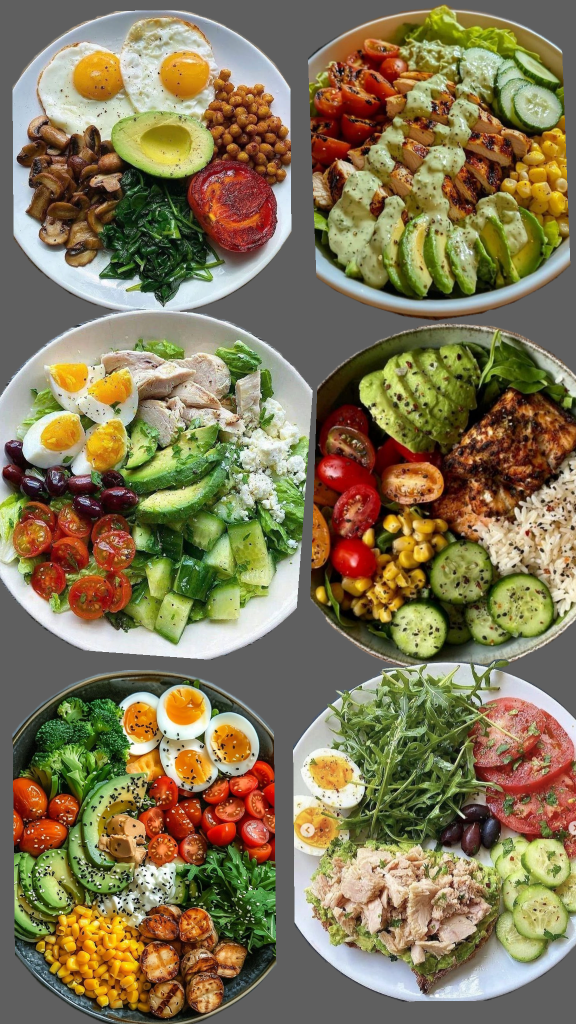
REALITY CHECK
- Meal prep looks different for everyone
- Small prep habits are more sustainable than extreme plans
- Long-term fitness success comes from consistency
TABLE / CHECKLIST
| Meal Prep Habit | How Often | Beginner-Friendly | Example |
| Weekly planning | Weekly | Yes | Choose 3–4 meals |
| Ingredient prep | Weekly | Yes | Chop vegetables |
| Portion control | Every prep | Yes | Moderate servings |
| Repeatable combos | Daily | Yes | Protein + grains |
| Scheduled prep day | Weekly | Yes | Sunday prep |
| Proper storage | Every prep | Yes | Airtight containers |
| Flexible planning | As needed | Yes | Leave 1 free meal |
| Weekly review | Weekly | Yes | Adjust meals |
What Results Can You Expect Over Time?
- May help improve consistency with healthy eating
- Can support better energy and recovery
- Often reduces stress around daily meals
(No timelines. No promises.)
Final Takeaway
Meal prep doesn’t need to be complicated to be effective. Simple preparation habits, realistic portions, and flexibility create routines that last. Focus on supporting your lifestyle—not controlling it.
Small Steps Matter
Start by prepping just one ingredient this week. Save this article and return to it whenever meal prep feels overwhelming.
Also Read More : 10 Beginner Weight Loss Tips That Work at Home (Simple & Sustainable)
10-Minute Home Workout for Beginners to Support Weight Loss & Fitness
15-Minute Beginner Full Body Home Workout at Home (No Equipment + Fat Burn & Strength)
12-Minute Beginner HIIT Workout at Home That Builds Stamina & Burns Calories
9 Simple Core & Glutes Workouts for Beginners That Really Build Strength (At Home)
Beginner Fitness Guide – 10 Easy Steps to Start Your Fitness Journey
FAQ
Q1: Are meal prep tips useful for beginners?
A: Yes. Meal prep tips help beginners stay consistent without strict diets or complex planning.
Q2: Do I need to prep every meal?
A: No. Even partial prep can support long-term fitness success.
Q3: How long does meal prep usually take?
A: It varies. Many beginners succeed with 60–90 minutes per week.
Next Step: Find Your Metabolic Bottleneck
Are you a Stalled Optimizer or a Metabolic Warrior? Stop guessing and start signaling.
To find out which of your 4 biological pillars is stalling your progress, take our 2-minute diagnostic:
Take the 2026 Bio-Recovery AuditDiscover your score across the 4 Pillars of Performance: Engine, Armor, Cleanup, and Repair.