

Which habit would you like to track first in your fitness journal? Many people start fitness routines with motivation but lose consistency after a few weeks. Not because they lack discipline, but because progress feels invisible. When you can’t see what you’re doing daily, it’s easy to feel stuck.
Habit tracking helps beginners stay aware of small daily actions that build long-term fitness success. A simple fitness journal or checklist creates clarity, accountability, and motivation without pressure. From my experience, tracking habits—even in a very basic way—makes fitness routines feel more achievable and organized.
This article is regularly updated to reflect current habit-building and fitness tracking practices in 2026, focusing on simple, beginner-friendly methods.
Who This Guide Is For
- Beginners starting a fitness or wellness routine
- People struggling with consistency
- Anyone who prefers simple systems over complex apps
Who Should Be Careful
- Those with medical or mental health concerns should seek personal guidance
Why Staying Consistent With Fitness Habits Is So Hard
Many beginners struggle because:
- Progress feels slow or invisible
- Routines feel unstructured
- Motivation depends on mood
Without tracking habits, small wins go unnoticed. Over time, this leads to frustration and quitting, even when progress is happening quietly.
Habit Tracking – What Actually Helps
1. Start With One or Two Habits Only
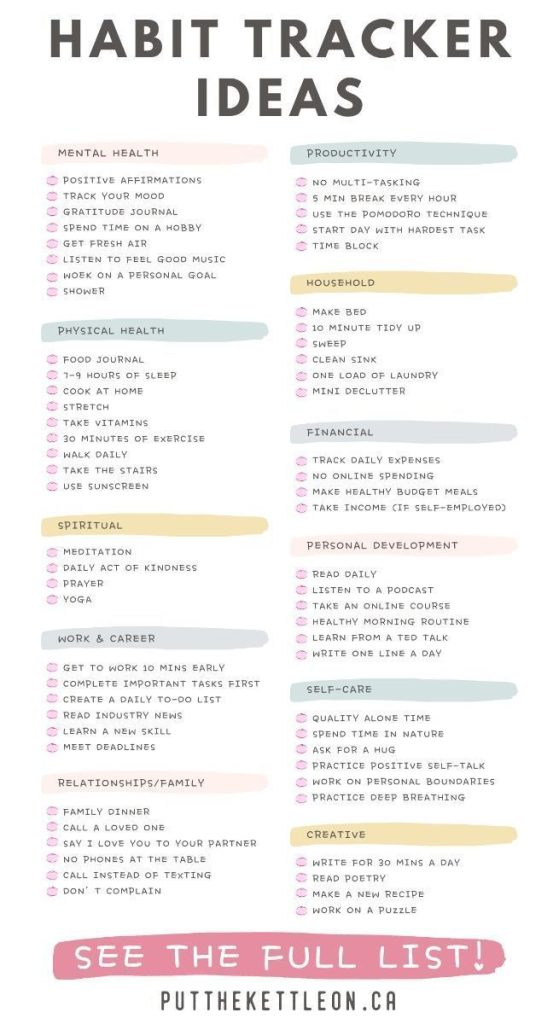
Avoid tracking everything at once. Begin with 1–2 habits like daily steps or water intake. Simplicity improves consistency.
2. Choose Between a Journal or Checklist
A journal allows reflection, while a checklist is quick and visual. Choose the format that feels easiest to use daily.
3. Track Actions, Not Results
Focus on behaviors like workouts completed or meals planned—not weight or measurements. Actions are within your control.
I have seen this work for many people when followed consistently.
4. Keep Your Tracker Visible
Place your journal on your desk or use a printed checklist on the fridge. Visibility encourages daily use.
5. Use Simple Daily Checkmarks
Avoid long notes. A simple ✔️ for completed habits keeps tracking quick and stress-free.
6. Review Progress Weekly
Once a week, review what you completed. This builds awareness and helps adjust habits without judgment.
7. Don’t Break the Chain Mindset
Seeing a streak of completed days motivates consistency. Missing one day is okay—avoid missing two in a row.
8. Adjust Habits as Life Changes
If a habit feels hard, reduce it. Flexibility keeps habit tracking sustainable long term.
9. Celebrate Small Wins
Acknowledge consistency, not perfection. Small wins reinforce motivation and confidence.
REALITY CHECK
- Habit tracking looks different for everyone
- Missed days are normal
- Small consistent actions build long-term fitness habits
TABLE / CHECKLIST
| Habit Tracked | How Often | Beginner-Friendly | Example |
| Daily steps | Daily | Yes | 6,000–8,000 steps |
| Water intake | Daily | Yes | 6–8 glasses |
| Workout completion | Weekly | Yes | 3 workouts |
| Meal planning | Weekly | Yes | Plan 3 meals |
| Sleep routine | Daily | Yes | Fixed bedtime |
| Stretching | Daily | Yes | 5-minute stretch |
| Journal update | Weekly | Yes | Weekly reflection |
What Results Can You Expect Over Time?
- May help improve consistency and awareness
- Can support motivation and routine-building
- Often improves confidence in fitness habits
(No timelines. No promises.)
Final Takeaway
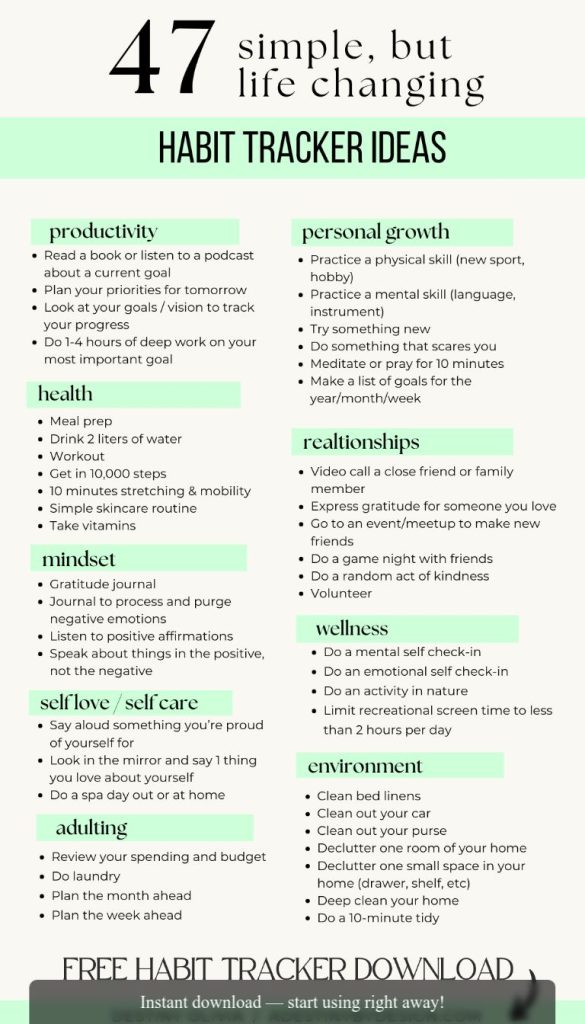
Habit tracking doesn’t need apps or complicated systems. A simple journal or checklist helps you notice progress, stay consistent, and build confidence. Focus on showing up daily—progress follows consistency.
Small Steps Matter
Start by tracking just one habit today. Save this guide and revisit it whenever motivation feels low.
Also Read More : Beginner Fitness Basics: Start Your Health Journey Today | Easy Tips for Beginners
Fitness Tips for Beginners Who Don’t Know Where to Start – Easy Guide
Beginner Weight Loss Diet: What to Eat, What to Avoid, and How to Start
Lose Your First 5 Pounds: Beginner Weight Loss Plan That Really Works
Full Body Home Workouts for Beginners: Build Strength and Confidence at Home
FAQ
Q1: Is habit tracking necessary for beginners?
A: Habit tracking helps beginners stay consistent and aware of daily actions without pressure.
Q2: Should I use an app or a notebook?
A: Either works. The best habit tracking method is the one you use daily.
Q3: How long should I track habits?
A: As long as it supports consistency. Many people benefit from ongoing habit tracking.
Next Step: Find Your Metabolic Bottleneck
Are you a Stalled Optimizer or a Metabolic Warrior? Stop guessing and start signaling.
To find out which of your 4 biological pillars is stalling your progress, take our 2-minute diagnostic:
Take the 2026 Bio-Recovery AuditDiscover your score across the 4 Pillars of Performance: Engine, Armor, Cleanup, and Repair.