
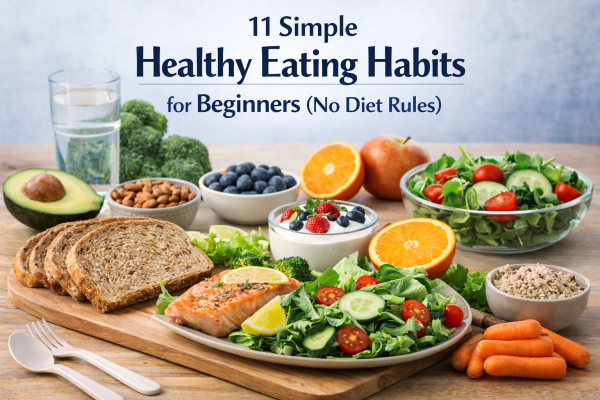
Which of these habits feels easiest for you to start this week? Many beginners believe healthy eating means strict diets, food restrictions, or giving up favorite foods. This mindset often leads to frustration and inconsistency. In reality, healthy eating works best when it feels simple and sustainable.
Simple healthy eating habits help beginners build a better relationship with food while supporting daily energy and overall wellness. This guide focuses on realistic habits that fit into busy lifestyles without complicated rules. From my experience, beginners who start with small, flexible habits find it easier to stay consistent over time without feeling pressured or restricted.
This article is regularly updated to reflect current nutrition and wellness practices in 2026, focusing on sustainable and beginner-friendly eating habits.
Who This Guide Is For
- Beginners who want healthier eating without dieting
- People looking for simple daily food habits
- Busy individuals seeking balance, not perfection
Who Should Be Careful
- Those with specific medical or dietary conditions should seek personal guidance
Why Healthy Eating Feels Difficult for Beginners Today
Healthy eating often feels confusing because of mixed information online. Beginners struggle because:
- Too many food rules feel overwhelming
- Social media promotes extreme diets
- Busy routines make planning hard
As a result, many people give up early or feel guilty about food choices instead of building sustainable habits.
Simple Healthy Eating Habits – What Actually Helps
1. Focus on Habits, Not Diet Labels
Instead of following strict diets, focus on daily habits like eating balanced meals and listening to hunger cues. Habits last longer than short-term plans.
2. Eat at Regular Times
Skipping meals leads to overeating later. Try to eat meals at consistent times to support energy levels and digestion.
I have seen this work for many people when followed consistently.
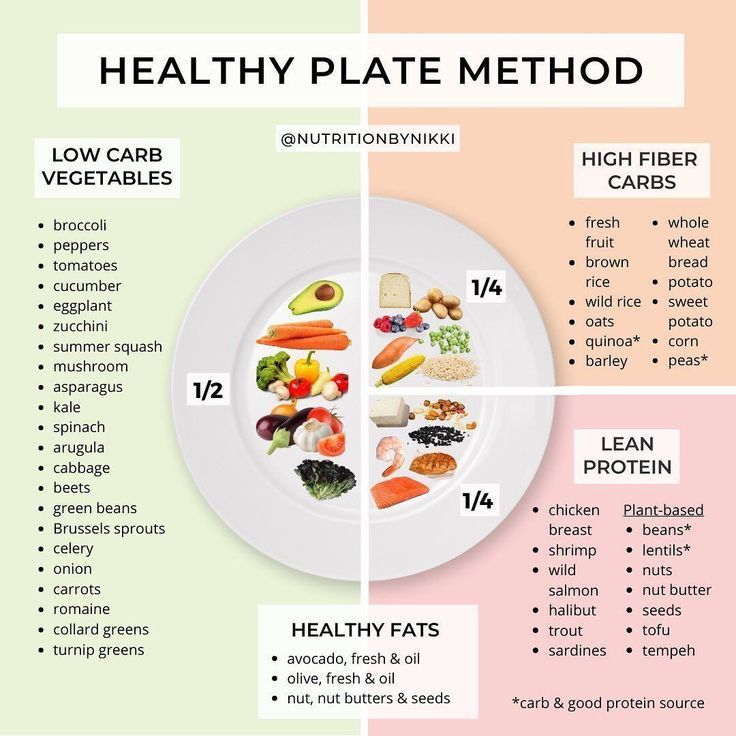
3. Build Balanced Plates
Aim to include:
- Protein
- Vegetables
- Healthy fats
- Whole carbohydrates
This balance helps reduce cravings without restriction.
4. Slow Down While Eating
Eating slowly helps you recognize fullness signals. Even a few extra minutes can improve satisfaction and prevent overeating.
5. Drink Enough Water Daily
Sometimes thirst feels like hunger. Drinking enough water supports digestion, energy, and overall wellness.
6. Choose Whole Foods More Often
Whole foods like fruits, vegetables, grains, and legumes provide more nutrients and keep you fuller longer than heavily processed foods.
7. Practice Portion Awareness
You don’t need to measure food. Simply notice portion sizes and stop eating when comfortably full.
8. Plan Simple Snacks
Unplanned snacking often leads to poor choices. Simple snacks like fruit, nuts, or yogurt support steady energy.
9. Don’t Label Foods as “Good” or “Bad”
Food guilt leads to unhealthy patterns. Allow flexibility while maintaining balance.
10. Eat Mindfully When Outside
When eating out, focus on enjoying food without overeating. Choose meals that feel satisfying and balanced.
11. Review Your Eating Habits Weekly
Take a few minutes weekly to notice what worked and what didn’t. Adjust gently—no judgment.
🔹 REALITY CHECK
- Results vary for each person
- Small changes matter more than drastic shifts
- Consistency supports long-term wellness
TABLE / CHECKLIST
| Habit | How Often | Beginner-Friendly | Example |
| Regular meal timing | Daily | Yes | Fixed meal times |
| Balanced plates | Every meal | Yes | Protein + veggies |
| Slow eating | Daily | Yes | Eat without screens |
| Hydration | Daily | Yes | Water before meals |
| Whole food focus | Daily | Yes | Fruits, grains |
| Portion awareness | Every meal | Yes | Stop at comfortable fullness |
| Planned snacks | Daily | Yes | Nuts, yogurt |
| Flexible food mindset | Always | Yes | No food guilt |
| Mindful eating out | Occasionally | Yes | Balanced restaurant choice |
| Weekly review | Weekly | Yes | Adjust habits |
What Results Can You Expect Over Time?
- May help improve energy and digestion
- Can support balanced eating habits
- Often improves relationship with food
(No promises. No timelines.)
Final Takeaway
Healthy eating doesn’t require strict rules or perfection. Simple, consistent habits build better results over time. Focus on balance, awareness, and flexibility. Progress matters more than discipline.
Small Steps Matter
Start with just one habit today. Save this article and revisit it weekly as a gentle reminder that consistency beats perfection.
Also Read : Beginner Exercise Plan: 15 Minutes a Day to Get Started Safely
Easy Fitness Routine for Beginners: No Equipment Needed (Start at Home)
How to Get Fit at Home: Beginner’s Edition | Simple Home Fitness Guide
Simple Fitness Habits to Kickstart Your Health | Beginner-Friendly Guide
Fitness Tips for Beginners Who Don’t Know Where to Start | Easy Start Guide
Step-by-Step Beginner Fitness Guide for Busy People | Quick & Easy Workouts
FAQ
Q1: Are simple healthy eating habits enough for beginners?
A: Yes. Simple healthy eating habits help beginners build consistency without stress or restriction.
Q2: Do I need to stop eating my favorite foods?
A: No. Balance and portion awareness matter more than complete elimination.
Q3: How long does it take to see changes?
A: Results vary. Focus on building habits rather than expecting quick changes.
Next Step: Find Your Metabolic Bottleneck
Are you a Stalled Optimizer or a Metabolic Warrior? Stop guessing and start signaling.
To find out which of your 4 biological pillars is stalling your progress, take our 2-minute diagnostic:
Take the 2026 Bio-Recovery AuditDiscover your score across the 4 Pillars of Performance: Engine, Armor, Cleanup, and Repair.