

Introduction
As we cross the four-decade mark, a profound physiological paradigm shift occurs: your long-term athletic progress, physical strength, and structural health are no longer determined solely by how hard you can train, but by how intelligently you can recover.
In our twenties, the body possesses an incredibly forgiving cellular environment that rapidly clears systemic waste and repairs structural damage overnight. After age 40, however, the human body naturally experiences slower muscle tissue repair, extended periods of delayed onset muscle soreness (DOMS), and a noticeable decline in baseline joint flexibility.
During my 6+ years working within community healthcare frameworks, including NRHM primary health centres, I routinely consulted patients who were completely bewildered by their sudden drop in physical performance. They would double down on intense exercise, treating their bodies with punishing routines, only to end up with chronic joint inflammation, severe exhaustion, and stalled fat loss.
The clinical reality is that proper recovery architecture becomes your primary driver of progress as you age. When you optimize your body’s restorative windows, your training blocks become exponentially more effective than if you simply tried to push through the exhaustion.

🧬 Why Recovery Slows After 40: The Cellular Shift
The deceleration of your body’s natural healing systems is driven by a series of distinct, age-related biological changes that require a deliberate shift in your wellness strategy:
- Blunted Muscle Protein Synthesis (MPS): The efficiency with which your cells utilize dietary amino acids to rebuild muscle tissue declines with age, a condition known as anabolic resistance.
- Hormonal Baselines Shift: Natural circulating levels of growth hormone and testosterone gradually drop, slowing down the speed of muscular cellular replication.
- Elevated Chronic Inflammatory Response: The aging immune system tends to maintain a low, continuous level of systemic inflammation, making joints more sensitive and recovery timelines longer.
- Decreased Collagen Synthesis: Your body’s natural output of structural collagen reduces, compromising the elasticity and fluid dynamics of your tendons, ligaments, and fascia.
To combat these biological shifts, you must stop relying on passive rest and actively implement a structured, science-backed recovery routine. For deeper context on how these exact cellular shifts disrupt your body composition, explore our comprehensive breakdown on Why Fat Loss Becomes Harder After 40.
🏋️ 1. Prioritize Protein and Amino Acid Anchoring for Muscle Repair
Because of age-related anabolic resistance, you cannot afford to treat protein intake as an afterthought. Every single demanding workout creates microscopic tears in your skeletal muscle fibers. To repair these micro-tears and insulate your frame against age-related muscle wasting, your body requires a continuous, abundant supply of bioavailable amino acids.
[Workout Micro-Tears] + [Abundant Amino Acids] ===> Faster Rebuilding & Muscle Protection
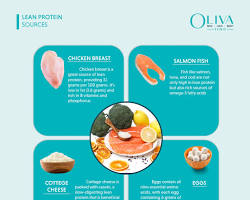
To maximize protein absorption and muscle retention, aim to distribute your intake evenly across three to four distinct meals throughout the day rather than consuming it all in one sitting. Anchor your meals around clean, dense, whole-food sources:
- Animal-Based Baselines: Whole eggs, wild-caught fish, lean chicken, and high-quality dairy provide a complete profile of essential amino acids.
- Plant-Based Alternatives: Whole lentils, organic soy, and fiber-rich legumes help support recovery while keeping systemic inflammation low.
To understand how to safely stimulate muscle tissue growth without injuring your joints, review our manual on time-under-tension training.
🚶 2. Active Hyperemic Recovery: Light Movement Beats Complete Rest
When experiencing severe muscle soreness, the instinctive human reaction is to remain completely sedentary on the couch. However, from a clinical standpoint, total inactivity is one of the worst things you can do for an aging body. Passive rest causes metabolic waste products to pool in your muscle tissues, increasing stiffness and prolonging your recovery timeline.
Instead, implement active recovery protocols to stimulate continuous, low-stress blood flow (hyperemia) to your damaged tissues:
- Low-Impact Aerobic Pacing: A brisk 20-minute walk or a light cycling session flushes fresh, oxygenated blood through your capillary beds, accelerating the clearance of cellular debris.
- Functional Movement Tools: Integrating gentle stretching, mobility drills, or a low-intensity routine like rucking keeps your nervous system active and your joints lubricated without adding structural stress.
To explore additional structural fitness guidelines for maintaining safety across diverse populations, consult the official resource center of the American College of Sports Medicine (ACSM).
💤 3. Protect Your Sleep Architecture: The Ultimate Repair Window
You can have a flawless diet and a perfect workout plan, but if you are chronically cutting your sleep short, your recovery will stall out completely. Sleep is not a luxury; it is the single most intense, biochemically complex biological repair window available to the human body.
THE OVERNIGHT CLINICAL RESET:
[ Deep Stage 3 & 4 Sleep ] ===> Maximum Growth Hormone Surge ===> Accelerated Tissue Repair
During the deepest stages of slow-wave sleep, your endocrine system unleashes its largest daily surge of growth hormone. This surge acts as a direct signal for your body to accelerate tissue repair, synthesize new proteins, and down-regulate circulating inflammatory markers.
Chronic sleep deprivation keeps your baseline cortisol levels elevated, which blocks muscle repair, triggers intense sugar cravings, and drives fat storage straight into your deep abdominal walls. To secure consistent progress, establish a strict sleep-wake rhythm and check out our strategic guide on visceral fat loss to see how sleep directly governs your midsection metabolism.
For deep, evidence-based data regarding how overnight rest protects your neurological and biological lifespan, review the latest longevity publications from the National Institute on Aging (NIA).
❄️ 4. Manage Inflammation Smartly and Avoid the Anti-Inflammatory Trap
Following a demanding training session, your body initiates an acute inflammatory cascade. This temporary inflammation is a necessary biological signal; it is the precise distress flare that tells your immune system to rush resources to the area to repair and strengthen your muscles. However, if this inflammation becomes chronic or excessive, it completely stalls your recovery speed.
Acute Inflammation (Good)  ===> Signals Repair & Adaptation
Chronic Inflammation (Bad) ===> Causes Joint Wear & Stalled Recovery
To manage this balance cleanly, avoid immediately reaching for over-the-counter anti-inflammatory drugs (NSAIDs), which can actually blunt your long-term muscle adaptations. Instead, utilize natural, systemic lifestyle strategies:
- Targeted Thermal Stress: Implementing brief cold showers or dedicated ice therapy post-workout can dramatically reduce local joint pain and down-regulate severe muscular swelling. For an in-depth breakdown of how to structure this without blunting muscle growth, read our dedicated guide on cold water immersion.
- Anti-Inflammatory Nutrition: Load your dietary template with natural antioxidants, such as wild berries, fresh turmeric, and omega-3 fatty acids, to soothe systemic tissue stress from the inside out.

🧘 5. Prevent Flexibility Decay with Progressive Mobility Work
After age 40, your joints naturally lose their fluid dynamics, and your facial tissues tighten if they are systematically ignored. This loss of elasticity restricts your active range of motion, forcing your body to compensate with poor movement patterns that inevitably lead to chronic lower back, knee, or shoulder pain.
To safeguard your skeletal integrity, you must treat flexibility as a mandatory core component of your weekly training block:
- Pre-Workout Activation: Prior to training, utilize dynamic stretching and active mobility drills to elevate your core temperature and prime your central nervous system for movement.
- Post-Workout Alignment: Immediately following your training session, implement deep, static stretching blocks to elongate hypertonic muscles and bring your nervous system back into a calm, parasympathetic recovery state.
- Weekly Longevity Support: Dedicate at least one independent session a week to structured yoga or comprehensive mobility work to maintain total joint decompression.
To explore clinical research on how maintaining a functional range of motion insulates your joints against long-term injury, dive into the extensive fitness archives of Harvard Health Publishing.
💧 6. Hydration Dynamics and Cellular Nutrient Transport
True hydration is far more complex than simply drinking water when your mouth feels dry. Every single chemical reaction involved in protein synthesis, cellular waste clearance, and joint lubrication requires a highly specific, mineral-balanced fluid environment. Even mild, low-level dehydration can stall your body’s ability to shuttle vital amino acids into your recovering muscle tissues.
Water plays an indispensable role in maintaining your daily physical vitality:
| Biological System | Exact Role of Optimal Hydration | Consequences of Dehydration After 40 |
| Nutrient Shuttling | Acts as the primary transport vehicle delivering glucose and amino acids to cells. | Delayed muscle tissue repair, increased muscle cramping, and sudden energy drops. |
| Joint Lubrication | Maintains the hydrostatic pressure and fluid volume within your synovial joint capsules. | Increased joint friction, morning stiffness, and accelerated cartilage wear. |
| Thermoregulation | Governs blood volume dynamics to efficiently dissipate metabolic heat during strain. | Elevated resting heart rate, premature fatigue, and severe recovery delays. |
To optimize this transport network, ensure you are drinking water consistently throughout the active hours of your day. If you live in a hot climate, engage in heavy rucking, or sweat intensely during resistance training, add a clean source of unrefined electrolytes (sodium, potassium, and magnesium) to your water to maintain optimal cellular fluid exchange.
⚖️ 7. Train Smarter: Embrace Strategic Progressive Overload
The most common mistake made by fitness enthusiasts over 40 is trying to match the reckless training volume of their youth. Your body can still adapt to incredible challenges, build substantial strength, and burn fat cleanly—but it will no longer tolerate disorganized, excessive volume. Overtraining doesn’t just stall your physical progress; it actively degrades your immune system and spikes your injury risk.
To achieve long-term consistency, transition your mindset toward intelligent training design:
- The Alternating Wave Method: Avoid stringing multiple high-intensity training days back-to-back. Alternate a demanding resistance day with an active recovery day or a low-intensity walking session to give your nervous system breathing room.
- Respect Your Rest Days: View your scheduled rest days as an active, mandatory part of your training progress. Your muscles do not grow while you are lifting weights in the gym; they grow exclusively while you are resting, sleeping, and recovering.
For a comprehensive clinical overview of how to balance exercise loads with personal recovery capacities to prevent long-term systemic burnout, explore the exercise guidelines published by the Mayo Clinic.
🧠 Final Thoughts
Optimizing your recovery after the age of 40 is not an admission of defeat, nor is it about doing less work. It is about executing your strategy with supreme intelligence. When you choose to support your muscle tissue with clean protein, protect your overnight sleep architecture, manage inflammation naturally, and respect your rest days, you unlock a level of sustained performance that pure willpower can never match.
Stop trying to force progress through exhaustion. Invest heavily in your recovery systems, align your daily habits with your updated biology, and build a strong, functional, and deeply resilient body that is built to last for decades.
🙋♂️ Frequently Asked Questions
Q: How can I tell the difference between normal muscle soreness (DOMS) and an actual tissue injury?
A: Delayed onset muscle soreness typically peaks 24 to 48 hours after a heavy workout, presents as a dull, symmetrical ache across the entire muscle belly, and gradually improves as you move around and warm up. An injury, conversely, usually presents as a sharp, sudden, or localized pain on one side of the body, is often concentrated directly around a joint capsule, and worsens significantly under load or movement. If a specific pain does not improve after four to five days of active rest, it requires a formal evaluation.
Q: Should I completely avoid training a muscle group if it is still slightly sore from my last workout?
A: If the soreness is mild and dissipates during a light warm-up, it is entirely safe to execute your routine, focusing heavily on proper movement mechanics. However, if the muscle is deeply tender to the touch, noticeably weak, or restricts your natural range of motion, do not force it through another heavy resistance session. Pivot that day’s routine to low-stress active mobility work or focus on a completely different, uncompromised muscle group to prevent compensation injuries.
Disclaimer
This content is presented strictly for educational and informational purposes and does not constitute formal medical advice, clinical diagnosis, or personalized treatment. Always consult with a qualified, licensed healthcare professional or a certified sports physician before introducing major adjustments to your exercise training volume, recovery protocols, or dietary architecture.
📚 References
- National Institute on Aging (NIA)
- American College of Sports Medicine (ACSM)
- Harvard Health Publishing – Exercise Recovery Research
- Mayo Clinic – Muscle Recovery Guidelines
Next Step: Find Your Metabolic Bottleneck
Are you a Stalled Optimizer or a Metabolic Warrior? Stop guessing and start signaling.
To find out which of your 4 biological pillars is stalling your progress, take our 2-minute diagnostic:
Take the 2026 Bio-Recovery AuditDiscover your score across the 4 Pillars of Performance: Engine, Armor, Cleanup, and Repair.