

Introduction
When individuals embark on a journey to transform their physical bodies, improve their vitality, or slow down the markers of physical decline, they almost universally default to a basic math problem: tracking calories in versus calories out. While caloric balance is undeniably a factor in overall mass management, focusing exclusively on food volume while ignoring your internal biochemistry is a recipe for chronic exhaustion and ultimate failure.
The true, underlying master switch that dictates how your body utilizes nutrients, produces physical energy, and ages at a cellular level is your metabolic health. At the absolute center of this system sits a critical biological marker known as insulin sensitivity.
During my 6+ years working within clinical settings and public health frameworks, including NRHM primary health centres, I routinely evaluated individuals who were doing “everything right” on paper. They were starving themselves on ultra-low-calorie diets and forcing themselves through grueling workout regimens, yet they were continuously gaining abdominal weight, suffering from relentless brain fog, and presenting with pre-diabetic blood panels.
The common mistake I observed was a complete misunderstanding of hormonal signaling. If your cells are locked in a state of low insulin sensitivity, your body is biologically blocked from accessing its own stored fat reserves for fuel.
True, lasting physical transformation requires you to look past the bathroom scale and actively optimize your metabolism at a cellular level. When you repair your hormonal sensitivity, fat loss, sustained mental focus, and healthy aging follow naturally.
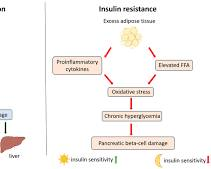
⚙️ Deconstructing Metabolic Health at the Cellular Level
Metabolic health is not a vague concept; it is a highly measurable state of systemic efficiency. In clear physiological terms, it refers to your body’s capacity to seamlessly convert dietary inputs into usable cellular energy, regulate circulating blood glucose metrics without massive hormonal spikes, and maintain a clean balance between energy storage and energy expenditure.
[Strong Metabolic Health] ==> Seamless Nutrient Conversion ==> High Energy & Lean Frame
[Poor Metabolic Health]   ==> Chronic Glucose Overload     ===> Insulin Resistance & Fatigue
When your metabolic health is optimized, your body operates with exceptional metabolic flexibility. If you consume carbohydrates, your system rapidly disposes of the resulting glucose into your skeletal muscles to be burned as active kinetic fuel. If you go several hours without food, your body cleanly switches gears, tapping straight into your adipose (fat) tissue to keep your organs running.
Conversely, poor metabolic health is defined by metabolic rigidity. Your body loses the capacity to switch fluidly between fuel sources, leaving you completely dependent on a continuous stream of dietary sugar just to avoid a severe physical and mental crash. Over time, this biological friction damages your vascular walls, compromises your immune defenses, and accelerates systemic cellular decay.
🧬 The Architecture of Insulin Sensitivity vs. Insulin Resistance
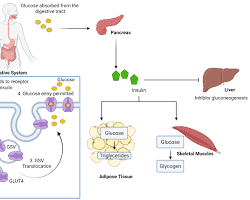
To grasp how your body manages energy, you must understand the exact biological role of insulin. Every single time you consume food—particularly carbohydrates and proteins—your digestive tract breaks those nutrients down into glucose, causing your blood sugar levels to rise. In response, your pancreas secretes insulin, a powerful storage hormone that acts as a physical key to unlock your cellular doors, allowing glucose to leave the bloodstream and enter your cells to be converted into energy.
THE HORMONAL KEY SYSTEM:
Insulin (The Key) ===> Unlocks Cellular Receptors ===> Glucose Moves In ===> ATP Energy Produced
🟢 High Insulin Sensitivity: The Optimal Baseline
When you possess high insulin sensitivity, your cells are incredibly responsive to this hormone. Your pancreas only needs to release a minute, highly efficient amount of insulin to cleanly clear glucose out of your blood and push it straight into your muscle and liver tissues. This clean clearing keeps your blood sugar completely stable, ensures a steady stream of physical energy, and keeps your body in an optimal environment to burn fat between meals.
🔴 Low Insulin Sensitivity (Insulin Resistance): The Storage Trap
When you develop low insulin sensitivity, also known as insulin resistance, your cellular receptors become completely blunted to the hormone’s signal—similar to a lock that has been jammed with debris. Because the cells are refusing to let the glucose in, blood sugar levels remain dangerously elevated.
Sensing this threat, your pancreas goes into overdrive, pumping out massive, compensatory waves of insulin to force the cellular doors open. While this temporary panic response manages to clear the sugar from your blood, it leaves you with chronically high levels of circulating insulin. Because insulin is a strictly one-way storage hormone, its constant presence tells your body that it is permanently fed, completely shutting down your ability to mobilize and burn stored body fat for fuel.
🔥 How Insulin Dynamics Completely Govern Fat Loss
A fundamental law of human physiology is that your body cannot efficiently burn stored fat while circulating insulin levels remain chronically elevated. When your cells are highly insulin resistant, your biochemistry is structurally biased toward energy storage.
High Insulin Levels ===> Shuts Down Lipolysis (Fat Burning) ===> Aggressive Adipose Storage
When insulin is consistently high, it deactivates an enzyme called hormone-sensitive lipase (HSL), which is directly responsible for breaking down stored triglycerides within your fat cells so they can be released and burned for energy. At the exact same time, high insulin ramps up lipoprotein lipase (LPL), an enzyme that aggressively pulls free fatty acids out of your bloodstream and locks them away inside your fat tissues.
This hormonal mismatch completely overrides a simple caloric deficit. If you restrict your food intake while your insulin remains chronically high, your body will refuse to release its fat stores. Instead, to keep you alive, it will purposefully slow down your resting metabolic rate, reduce your thyroid output, and trigger intense, primal hunger signals to force you to consume quick-burning sugars.
To break this vicious cycle and unlock sustainable weight management, you must shift your focus toward restoring cellular insulin sensitivity. For a comprehensive look at how to structure your physical habits to overcome these exact hormonal barriers as your biology matures, read our detailed authority guide on Why Fat Loss Becomes Harder After 40.
⚡ The Metabolic Energy Rollercoaster and Brain Fog
One of the most immediate, daily consequences of poor metabolic health is a complete disruption of your subjective energy levels, mental focus, and cognitive baseline. Many people treat their afternoon fatigue or lack of motivation as a psychological issue or a sign of poor sleep, when it is actually a direct reflection of volatile blood glucose swings.
When an insulin-resistant individual consumes a typical high-carbohydrate meal or an ultra-processed snack, their compromised clearing system causes a massive, unmitigated blood sugar spike. This is rapidly followed by an excessive, panic-induced surge of insulin from the pancreas. This massive hormonal wave forces the blood glucose down too quickly, causing a sharp dip below your optimal baseline—a state known as reactive hypoglycemia.
THE VOLATILE GLUCOSE WAVE:
[ High Carbohydrate Input ] ==> Massive Sugar Spike ==> Panic Insulin Surge ==> Severe Energy Crash
This sudden drop in blood sugar leaves your brain cells starved of their primary energy source, resulting in several common metabolic symptoms:
- The 3 PM Afternoon Crash: A sudden, overwhelming wave of physical lethargy that leaves you reaching for caffeine or energy drinks.
- Systemic Brain Fog: A noticeable drop in cognitive clarity, executive function, and working memory as your central nervous system struggles for steady fuel.
- Primal Sugar Cravings: An intense, urgent drive to consume sweet or highly processed foods, as your brain tries to rapidly force your blood sugar back up.
By actively improving your metabolic health, you flatten these extreme glucose waves into smooth, predictable curves. This ensures your brain receives a clean, steady supply of energy throughout the entire day, eliminating brain fog and stabilizing your physical performance. To discover how a specific, low-stress daily physical routine can immediately help stabilize these exact glucose curves without overtaxing your recovery systems, explore our practical protocol on rucking.
🧓 Metabolic Health: The Core Anchor of Longevity and Cellular Aging
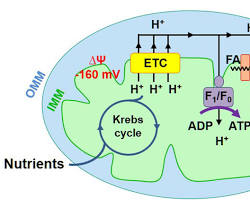
In the field of modern longevity science, chronological aging is increasingly viewed through the lens of metabolic degradation. As the human body advances in years, baseline insulin sensitivity naturally tends to decline, largely driven by a spontaneous loss of skeletal muscle mass and a gradual reduction in mitochondrial efficiency.
If this natural decline is left completely unmanaged by proactive lifestyle interventions, it sets off an accelerated aging cascade that modern clinicians refer to as metabolic syndrome. Chronically high blood sugar and elevated insulin levels cause a massive increase in advanced glycation end-products (AGEs)—harmful compounds that literally stiffen your collagen structures, accelerate wrinkling of the skin, and harden your delicate arterial walls.
Furthermore, untreated insulin resistance serves as the absolute foundational pathway for the vast majority of chronic midlife diseases, including type 2 diabetes, systemic cardiovascular disease, and premature cognitive decline. When your cells lose their metabolic flexibility, your body loses its capacity to execute deep cellular repair and manage internal oxidative stress.
Protecting your healthspan and maximizing your natural longevity is entirely dependent on your ability to maintain clean metabolic function. To learn how to integrate these vital metabolic priorities into a complete, lifetime wellness framework, dive into our comprehensive master article on The Science of Longevity: 7 Essential Habits for Healthy Aging.
📊 The Clinical Metabolic Function Reference Matrix
To accurately gauge your current status and map out a targeted plan to optimize your internal biochemistry, review this metabolic evaluation framework:
| Core Biomarker | Traditional Lab Range | Optimal Longevity Range | Direct Physiological Impact |
| Fasting Blood Glucose | 70 – 100 mg/dL | 75 – 85 mg/dL | Indicates your baseline blood sugar control after an overnight fast. |
| Hemoglobin A1c (HbA1c) | Under 5.7% | 4.8% – 5.3% | Provides a clear, 3-month average of your systemic glucose control. |
| Fasting Insulin | 2.5 – 25 uIU/mL | 2.0 – 5.0 uIU/mL | Tracks exactly how hard your pancreas is working to maintain stable blood sugar. |
| Triglyceride-to-HDL Ratio | Under 2.0 | Under 1.0 | A highly accurate surrogate marker for cellular insulin sensitivity and heart health. |
🛠️ The Metabolic Protocol: How to Restore Insulin Sensitivity Naturally
To successfully rebuild your metabolic health, drop the mindset of extreme starvation and implement these five practical, science-backed lifestyle interventions.
🏋️ 1. Force Glucose Uptake via Progressive Resistance Training
Skeletal muscle mass is your body’s primary storage sink for dietary carbohydrates, accounting for over 80% of your total post-meal glucose disposal. Every single ounce of active muscle tissue you build serves as a massive metabolic reservoir that safely absorbs sugar out of your bloodstream.
By engaging in progressive resistance training using free weights, resistance bands, or bodyweight exercises, you trigger a unique physiological event: your muscles open up special glucose transporters (GLUT4 receptors) entirely on their own, pulling sugar straight out of your blood without requiring your pancreas to release extra insulin.
This mechanical clearance gives your pancreas a break and rapidly restores cellular sensitivity. To learn how to structure your training intervals using controlled mechanical tension to maximize this exact metabolic clearance without injuring your joints, check out our blueprint on time-under-tension training.
To read deeper clinical consensus guidelines on how regular muscle activation preserves long-term metabolic function, review the official fitness position papers of the American Diabetes Association (ADA).
🚶 2. Leverage the Power of Post-Meal Active Movement
One of the simplest, yet most profoundly effective ways to flatten your post-meal blood sugar spikes is to commit to a brisk, 10-to-15-minute walk immediately after consuming your largest meals of the day.
When you engage in light, low-intensity movement while your food is actively digesting, your contracting leg muscles immediately burn up the incoming glucose for fuel. This prevents a massive blood sugar surge, eliminates the subsequent insulin spike, and completely skips the afternoon energy crash.
This effortless addition to your daily routine does not add stress to your central nervous system, making it an incredibly reliable tool for long-term metabolic compliance.
🥗 3. Build Your Diet Around Protein and Whole-Food Fiber
To permanently stabilize your metabolic health, stop eating isolated, fast-acting carbohydrates that trigger dramatic blood sugar spikes. Every meal you consume should be anchored around a clean, dense source of lean protein along with plenty of unrefined dietary fiber.
Protein requires an immense amount of metabolic energy simply to break down through digestion, and it triggers long-term fullness hormones to keep your appetite perfectly stable. Pairing your protein with whole-food fiber—such as leafy green vegetables, broccoli, chia seeds, and complex lentils—creates a thick, gelatinous mesh matrix within your digestive tract. This slow down the absorption of nutrients into your blood, ensuring a smooth, steady rise in blood sugar rather than a volatile spike.
💤 4. Protect Your Sleep Quality to Stabilize Next-Day Stress Hormones
Your overnight sleep quality directly dictates your metabolic health and insulin handling for the entire following day. Clinical sleep research demonstrates that restricting an individual to just four or five hours of sleep for a single night can reduce their cellular insulin sensitivity by up to 30%, making them temporarily present as metabolically pre-diabetic.
[ Poor Night's Sleep ] ===> 30% Drop in Next-Day Insulin Sensitivity ===> Sharp Craving Spikes
When you are chronically sleep-deprived, your body experiences an immediate surge in baseline cortisol and growth hormone disruptions, leaving you with higher blood sugar levels and intense cravings for simple sweets. Protect your sleep environment by cutting off blue light exposure an hour before bed, maintaining a cool room temperature, and aiming for 7 to 8 hours of continuous, restorative rest.
For an extensive database of scientific research showing how sleep debt accelerates metabolic disorders and weight accumulation, check out the resources from the National Institute of Diabetes and Digestive and Kidney Diseases (NIDDK).
❄️ 5. Utilize Thermal Stress to Activate Brown Adipose Tissue
An advanced, highly effective strategy to enhance your overall metabolic rate and improve systemic insulin clearance is the regular use of deliberate cold exposure. Immersing your body in cold water forces your nervous system to rapidly activate its stores of brown adipose tissue (BAT)—a specialized type of fat tissue that is absolutely packed with mitochondria.
Unlike regular fat, brown fat burns through massive amounts of energy simply to generate internal body heat, pulling glucose and free fatty acids straight out of your blood to fuel the process. To learn exactly how to safely introduce this thermal stimulus into your lifestyle to maximize your cellular health, read our detailed scientific analysis on cold water immersion.
For an analytical look at how thermal stress protocols compare to standard exercise recovery methods, explore the extensive medical libraries of Harvard Medical School.
🧠 Final Thoughts
Your metabolic health is the absolute foundation upon which all physical vitality, fat loss progress, and healthy aging are built. Achieving a lean, energized, and highly resilient body is not about forcing yourself through a cycle of extreme starvation; it is about respecting your internal biology and keeping your cells highly sensitive to insulin’s signals.
When you commit to supporting your muscle tissue with regular resistance training, moving your body after meals, prioritizing protein and fiber, and protecting your nightly sleep, you give your metabolism the exact tools it needs to function cleanly. Stop chasing short-term fixes. Optimize your body at a cellular level, treat your metabolism with respect, and build a vibrant, strong physiology that is designed to thrive for decades.
🙋♂️ Frequently Asked Questions
Q: Can a person be thin on the outside but still have poor metabolic health and insulin resistance?
A: Yes, this is a very common clinical phenomenon known as TOFI (Thin on the Outside, Fat on the Inside), or metabolically obese normal weight. An individual may look completely lean on the scale, but due to a lack of muscle tissue, a poor diet, and chronic stress, they can accumulate dangerous amounts of visceral fat around their internal organs. This visceral accumulation triggers the exact same insulin resistance, vascular inflammation, and chronic disease risks as someone who is visibly overweight. This is why tracking your muscle mass and blood panels is far more important than just tracking your scale weight.
Q: How long does it take to reverse chronic insulin resistance and see improvements in my metabolic health?
A: At a cellular level, your insulin sensitivity begins to improve immediately following a single session of resistance training or a single post-meal walk. However, to fully reverse years of chronic insulin resistance and significantly lower your fasting insulin levels, it typically requires 8 to 12 weeks of unyielding consistency with your diet, sleep, and movement habits. Your body is incredibly resilient; when you consistently feed it clean biological signals over a multi-month timeline, your cellular receptors will naturally repair themselves.
⚠️ Medical Disclaimer
This content is presented strictly for educational and informational purposes and does not constitute formal medical advice, clinical diagnosis, or personalized treatment plans. Always consult with a qualified, licensed healthcare professional, your primary care physician, or a specialist before introducing major adjustments to your dietary layout, exercise routines, or lifestyle habits.
📚 References
- World Health Organization (WHO) — Metabolic Health, Chronic Disease Prevention, and Lifestyle Guidelines.
- Harvard Medical School — Long-Term Clinical Insights into Insulin Resistance and Vascular Aging.
- National Institute of Diabetes and Digestive and Kidney Diseases (NIDDK) — Metabolic Homeostasis Frameworks.
- American Diabetes Association (ADA) — Position Papers on Exercise-Induced Glucose Disposal.
Next Step: Find Your Metabolic Bottleneck
Are you a Stalled Optimizer or a Metabolic Warrior? Stop guessing and start signaling.
To find out which of your 4 biological pillars is stalling your progress, take our 2-minute diagnostic:
Take the 2026 Bio-Recovery AuditDiscover your score across the 4 Pillars of Performance: Engine, Armor, Cleanup, and Repair.