

7 Beginner Recovery Tips :Many beginners believe that working out every single day is the fastest way to get fit. Skipping rest feels like dedication, while taking a break feels like slowing down. But this mindset often leads to fatigue, soreness, and eventually giving up. Recovery is not a pause in progress—it is a key part of it. This guide explains why recovery matters, how it supports your fitness journey, and how beginners can include rest without losing consistency. From my experience, people who respect recovery tend to stay active longer and feel better overall.
This article is regularly updated to reflect current fitness and recovery practices in 2026.

Who This Guide Is For
This guide is for:
- Beginners starting a fitness or home workout routine
- People who feel tired or sore all the time after workouts
- Anyone trying to stay consistent without burnout
Who should be careful:
Those with existing injuries or medical conditions should seek personal guidance before changing workout or recovery routines.
Why Poor Recovery Is So Common Today
Modern fitness culture often promotes the idea that more effort always leads to better results. Social media workouts, challenges, and daily routines can make beginners feel pressured to train nonstop. Many people also underestimate the importance of sleep, hydration, and rest days. As a result, the body doesn’t get enough time to repair itself, which can slow progress instead of improving it.
Recovery in Fitness: What Actually Helps

1. Understanding What Recovery Really Means
Recovery is the process that allows your body to repair muscle fibers stressed during exercise. It includes proper sleep, planned rest days, hydration, nutrition, and light movement. Without recovery, workouts only break the body down instead of helping it grow stronger.
2. Why Recovery Supports Better Fitness Results
When the body rests, muscles rebuild, energy levels return, and the nervous system resets. This makes future workouts feel easier and more effective. Many beginners notice better strength, improved mood, and fewer aches when they allow proper recovery between sessions.
3. Signs Your Body Needs More Recovery
Constant soreness, low motivation, poor sleep, and feeling exhausted throughout the day are common signals. If workouts feel harder week after week instead of easier, it may be due to insufficient rest rather than lack of effort.
4. The Role of Sleep in Recovery
Sleep is one of the most powerful recovery tools. During deep sleep, the body releases hormones that support muscle repair and overall wellness. Consistent sleep habits often improve energy and workout performance over time.
5. Rest Days vs Active Recovery
Rest days do not always mean complete inactivity. Active recovery like walking, stretching, or gentle yoga helps improve circulation without stressing the body. This approach is especially helpful for beginners.
6. Nutrition and Hydration for Recovery
Protein supports muscle repair, while water helps transport nutrients and reduce fatigue. Simple meals with balanced nutrients and adequate hydration can support recovery naturally without complicated plans.
7. How Recovery Prevents Injuries
Overtraining increases the risk of strains, joint pain, and long-term injuries. Allowing muscles and connective tissues time to adapt helps reduce injury risk and supports steady progress.
Reality Check
Recovery works differently for everyone. Results vary based on age, lifestyle, sleep quality, and activity level. Small recovery habits practiced consistently often support long-term fitness better than extreme routines.
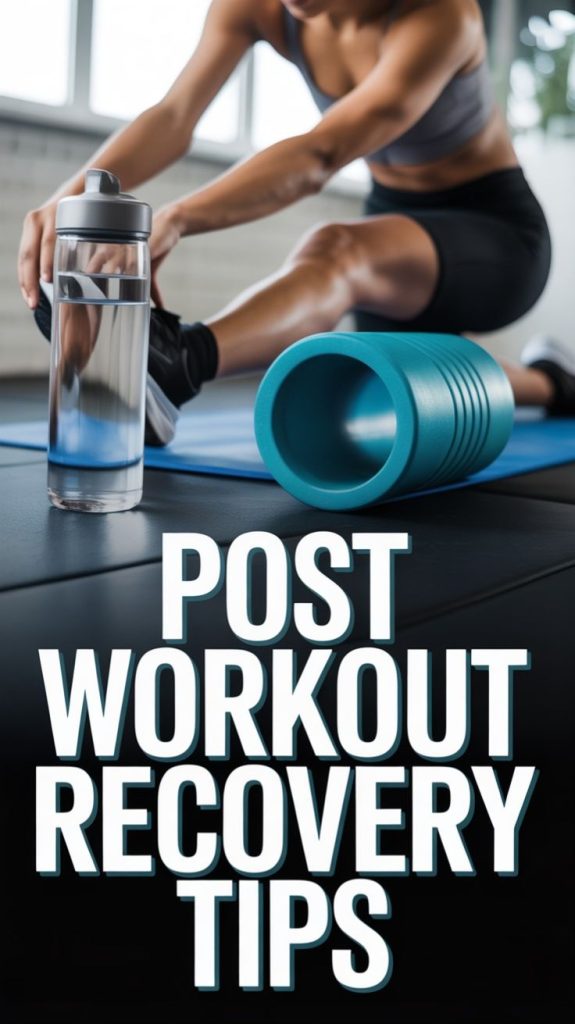
Quick Recovery Checklist
| Recovery Habit | How Often | Beginner-Friendly |
| Quality sleep | Daily | Yes |
| Rest days | 1–2 per week | Yes |
| Stretching | Daily | Yes |
| Hydration | Daily | Yes |
| Light activity | Rest days | Yes |
What Results Can You Expect Over Time?
With consistent recovery habits, many beginners notice improved energy, reduced soreness, better focus, and improved workout quality. Recovery may help support sustainable fitness routines and long-term consistency without burnout.
Also Read : Beginner Exercise Plan: 15 Minutes a Day to Get Started Safely
Easy Fitness Routine for Beginners: No Equipment Needed (Start at Home)
How to Get Fit at Home: Beginner’s Edition | Simple Home Fitness Guide
Simple Fitness Habits to Kickstart Your Health | Beginner-Friendly Guide
Fitness Tips for Beginners Who Don’t Know Where to Start | Easy Start Guide
Step-by-Step Beginner Fitness Guide for Busy People | Quick & Easy Workouts
Final Takeaway
Recovery is not a weakness—it is a foundation. Rest allows your body to adapt, improve, and stay motivated. When recovery becomes part of your routine, fitness feels more sustainable and enjoyable. Focus on progress, not exhaustion.
Small Steps Matter
Start by adding one rest day this week or improving sleep by 30 minutes. You don’t need to do everything at once. Save this guide or read a related post to build a balanced routine.
Frequently Asked Questions
Q1: Do beginners really need rest days?
Yes, rest days help the body adapt and reduce injury risk, especially during the early stages of fitness.
Q2: Is soreness a sign of a good workout?
Mild soreness is normal, but constant pain may indicate poor recovery or overtraining.
Q3: How does recovery support beginner fitness progress?
Recovery supports beginner fitness progress by allowing muscles to repair, energy levels to reset, and consistency to improve over time.
Next Step: Find Your Metabolic Bottleneck
Are you a Stalled Optimizer or a Metabolic Warrior? Stop guessing and start signaling.
To find out which of your 4 biological pillars is stalling your progress, take our 2-minute diagnostic:
Take the 2026 Bio-Recovery AuditDiscover your score across the 4 Pillars of Performance: Engine, Armor, Cleanup, and Repair.